A flash flood and glacier collapse have nearly erased Nepal’s most important trade link with China, and the damage could reverberate far beyond a single border post.
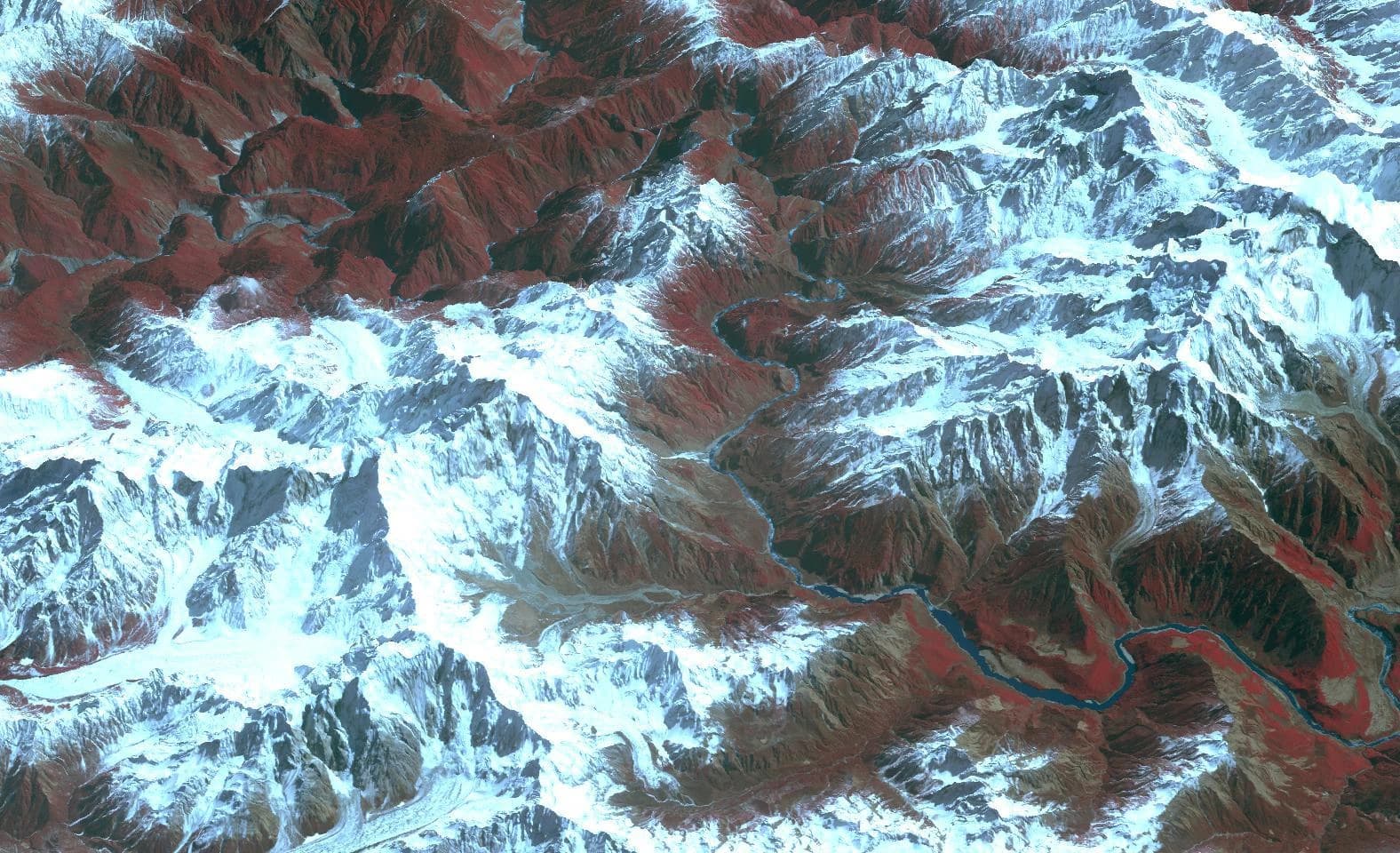
Nepal China Gyirong border crossing damaged by flood
For investors, the key point is not the destruction itself, grim as it is, but the loss of a critical artery for goods, pilgrims and reconstruction traffic between Nepal and Tibet. Gyirong had become the main overland gateway after the 2015 Nepal earthquake damaged another crossing, making it central to trade in everything from consumer goods to electric vehicles heading south from China.
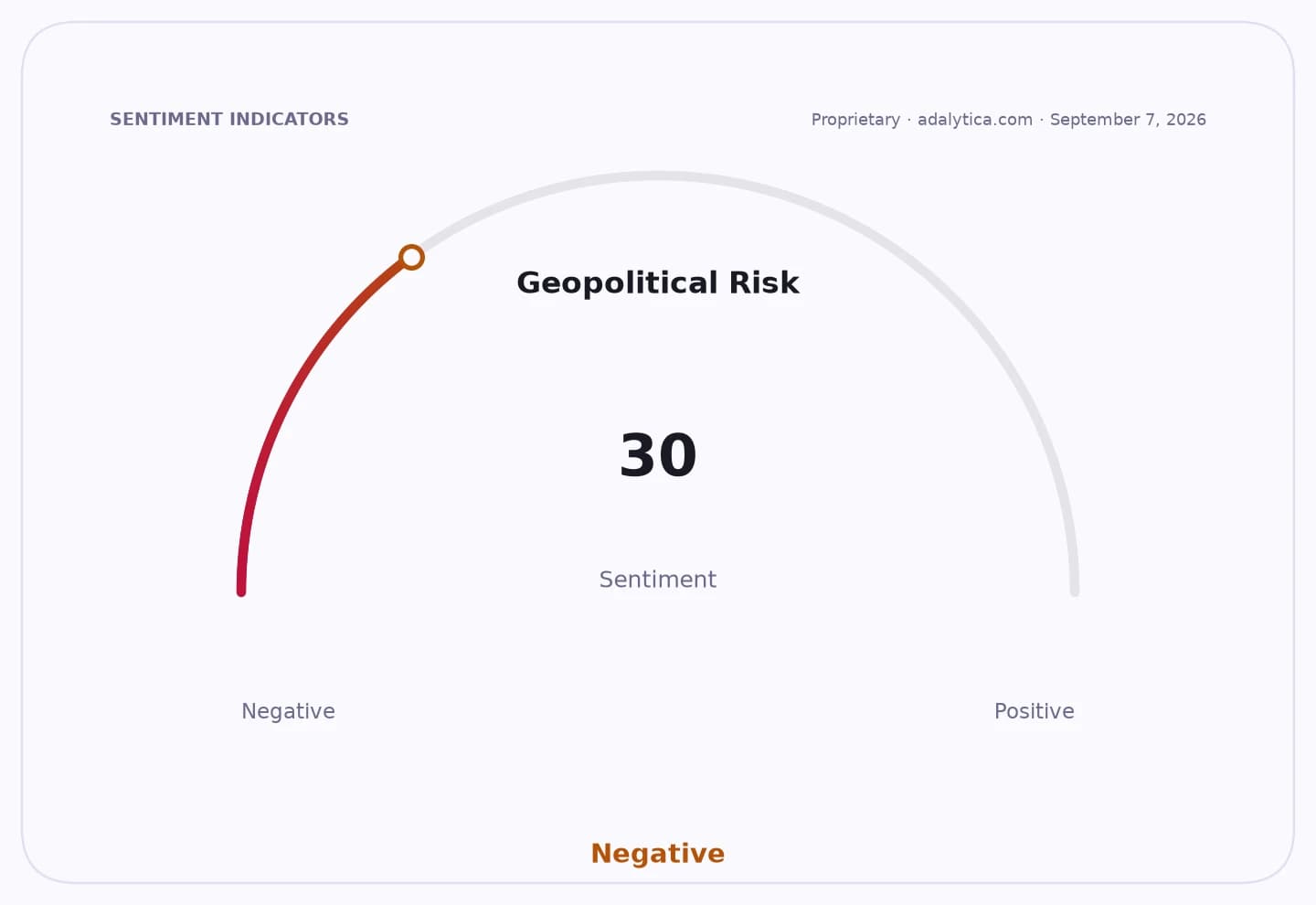
Sentiment IndicatorsⓘProprietary · adalytica.com · September 7, 2026
This is a snapshot — live sentiment, awareness and momentum for 130+ markets update continuously in the dashboard.Open AlphaPulse
The border disaster struck fast. A glacier collapse on the Nepali side on Aug. 26 triggered a flood that, within about seven minutes, devastated the Gyirong Border Gate area in Tibet. Chinese authorities said the five-story customs building was gone, road access was only restored on Sept. 2, and rescue teams were still searching multiple zones for the missing. More than 1,300 people have died on both sides of the border, with over 5,000 still unaccounted for, underscoring how much this is a humanitarian crisis as well as an economic one.
The trade implications are immediate. Gyirong is not just a symbolic crossing; it is a practical route for freight, tourism and religious travel. In recent years, it has carried Chinese exports into Nepal, including electric vehicles, while also serving thousands of Hindu pilgrims traveling toward Mount Kailash in Tibet. When that route is disrupted, Nepal loses an important channel for imports and transit revenue, while Chinese firms lose an export outlet into a small but strategically useful market.
There is also a broader geopolitical layer. The crossing sits at a sensitive point in China-Nepal connectivity, where infrastructure has become part of Beijing’s regional influence and Kathmandu’s trade resilience. The fact that foreign journalists were only recently allowed to visit the site suggests the scale of the damage and the political sensitivity around the border response. In a region already vulnerable to landslides, mud and high-altitude weather, rebuilding will not be quick.
For investors, the long-term question is whether repeated climate-related shocks turn this into a structural drag on Himalayan trade corridors. Nepal’s dependence on a handful of land routes leaves it exposed, while Chinese exporters could face more friction if the route stays unreliable. That matters for companies tied to cross-border logistics, EV exports and tourism-linked spending, and it is a reminder that climate risk is increasingly an economic risk.
The rebuild will likely restore some traffic, but the bigger lesson is harder to ignore: when a single mountain crossing can be wiped out in minutes, supply chains built around it deserve a far more cautious view. For long-term investors, that means watching not just the headline damage, but the pace of reconstruction, alternative routing and whether climate resilience becomes a priority in Himalayan infrastructure.
| Entity | Gains | Losses |
|---|---|---|
| Nepal importers and consumers | ▲eventual route repair | ▼immediate supply disruption |
| Chinese exporters, including EV makers | ▲longer-term reopening | ▼lost southern export channel |
| Local tourism and pilgrim businesses | ▲rebuild spending | ▼collapsed travel flow |
| Alternative border routes | ▲diversion of traffic | ▼Gyirong crossing |