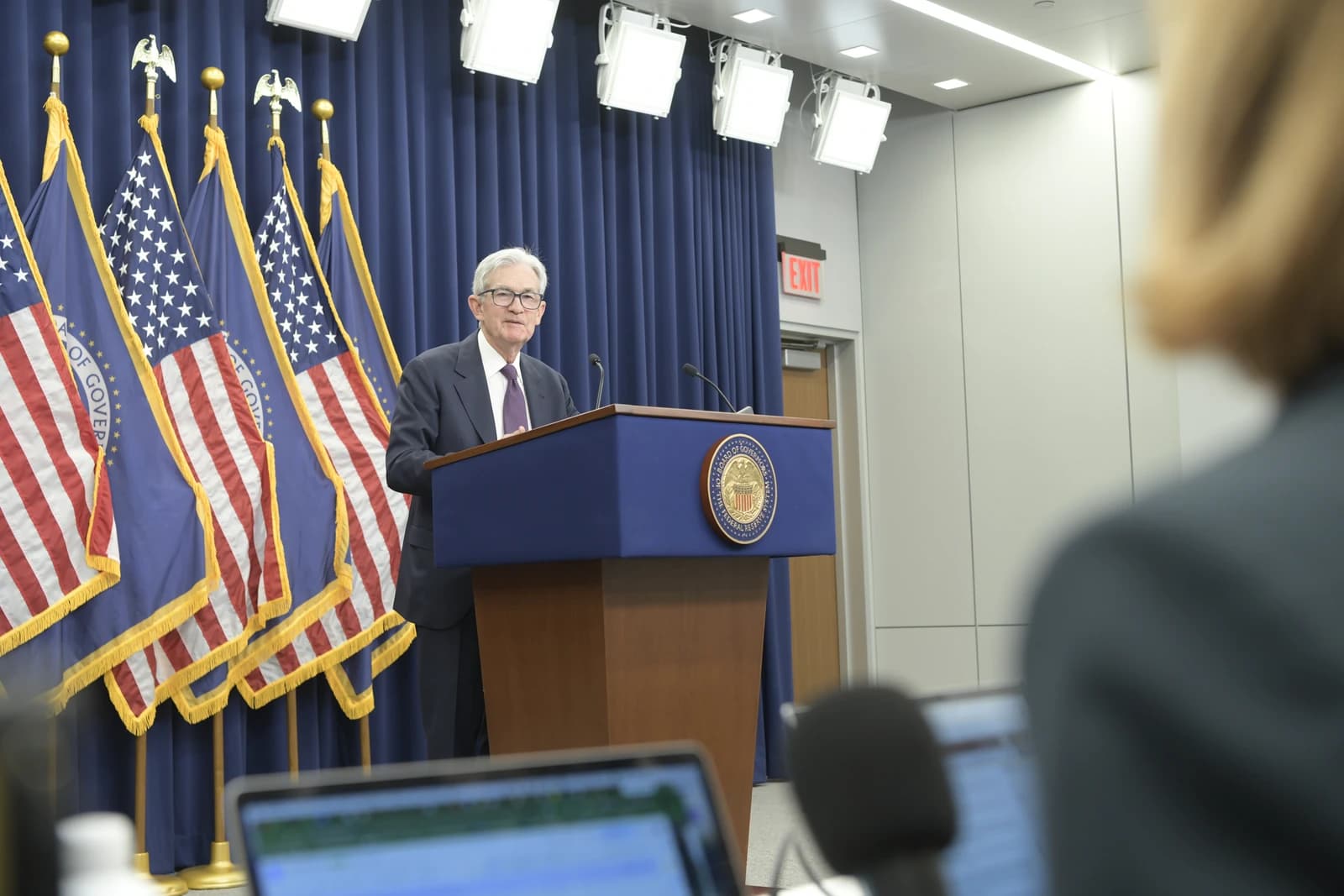
A planned meeting between Benjamin Netanyahu and Donald Trump at the White House next week is sharpening attention on the geopolitical premium across U.S. defense, oil and currency markets, with investors parsing whether the talks signal de-escalation in the Middle East or a harder U.S. line on Israel’s regional agenda.
Netanyahu-Trump Talks Could Shift Geopolitical Premium

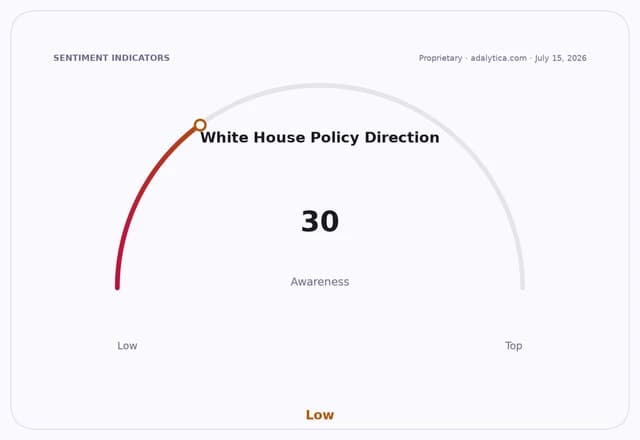
The significance is less the optics of the encounter than the policy and market read-through. Any direct engagement between the U.S. president and the Israeli prime minister can quickly influence expectations around ceasefire diplomacy, sanctions policy, arms deliveries and the broader risk tone in global markets. That matters because the backdrop is already fragile: Adalytica’s Global Stability Sentiment gauge is in “Extreme Fear,” while the U.S. dollar trade signal has slid into fear territory, suggesting investors are still willing to reprice assets on headlines tied to geopolitical stress.
Sentiment IndicatorsⓘProprietary · adalytica.com · July 15, 2026
This is a snapshot — live sentiment, awareness and momentum for 130+ markets update continuously in the dashboard.Open AlphaPulse
Markets have also been sending a mixed message. The iShares Russell 2000 ETF, a barometer for domestically oriented risk appetite, has recovered to 295.72 after earlier volatility, while the SPDR S&P 500 ETF is near 754.16, implying broader equities have not abandoned risk. But the conventional technical picture shows both funds trading above their 50-day and 200-day moving averages, with RSI readings in neutral-to-firm territory, leaving room for a headline-driven move if the White House meeting changes the odds on regional escalation or policy restraint.
For investors, the immediate question is who benefits if talks ease tensions, and who is exposed if they don’t. Defense names such as Lockheed Martin, Northrop Grumman and RTX remain sensitive to any increase in military demand, licensing flows or U.S. security commitments, a theme reflected in their latest filings warning that geopolitical risk can affect government approvals, sanctions and spending priorities. Israel-focused exposure, including the iShares MSCI Israel ETF, has already been volatile and could react sharply to any shift in Washington’s posture toward Tel Aviv or Tehran.
The rate market is also part of the story. The 10-year Treasury yield has climbed to 4.62%, while the 10-year-two-year curve has steepened to 40 basis points. That combination suggests investors are balancing firmer growth and inflation expectations against safe-haven demand, a mix that can become more pronounced if the Netanyahu-Trump meeting raises the odds of sustained conflict or a policy surprise. A stronger geopolitical bid would typically support Treasuries and the dollar; a successful de-escalation could do the opposite and lift cyclicals, small caps and regional risk assets.
The diplomatic relationship itself is the main variable. Reports that Trump has no immediate plans to meet Netanyahu, despite the upcoming visit, point to a cooler dynamic than in earlier periods of close alignment. That leaves room for both bullish and bearish interpretations: bulls will argue the meeting is a channel for crisis management and a step toward calming markets; bears will see a sign of strain that could complicate coordination on Gaza, Iran and wider regional security.
What matters next is not the photo opportunity but whether the talks produce a clearer U.S. position on Israel’s military campaign, regional deterrence and any effort to widen or restrain the conflict. Until then, traders are likely to keep treating the meeting as a live geopolitical catalyst rather than a symbolic one.
| Entity | Gains | Losses |
|---|---|---|
| Israel-linked equities | ▲Policy clarity | ▼Diplomatic uncertainty |
| U.S. defense contractors | ▲Higher security demand | ▼Lower conflict premium |
| Treasury bulls | ▲Safe-haven inflows | ▼Risk-on rebound |
| Dollar bears | ▲Geopolitical de-escalation | ▼Flight-to-quality demand |