The Immigration and Naturalisation Service has been using artificial intelligence systems in asylum decisions without formally registering them, a disclosure that matters because it goes to the heart of how governments deploy AI in high-stakes public services.
Netherlands IND Used AI in Asylum Decisions

For investors, the issue is bigger than one agency in one country. Public-sector AI is supposed to be a growth market for vendors such as Palantir, Accenture and IBM because governments want faster processing, lower backlogs and tighter cost control. But every instance of unregistered or poorly governed AI raises the odds of new compliance burdens, slower procurement and tougher oversight. That is especially relevant for companies selling AI tools into regulated workflows, where trust is part of the product.
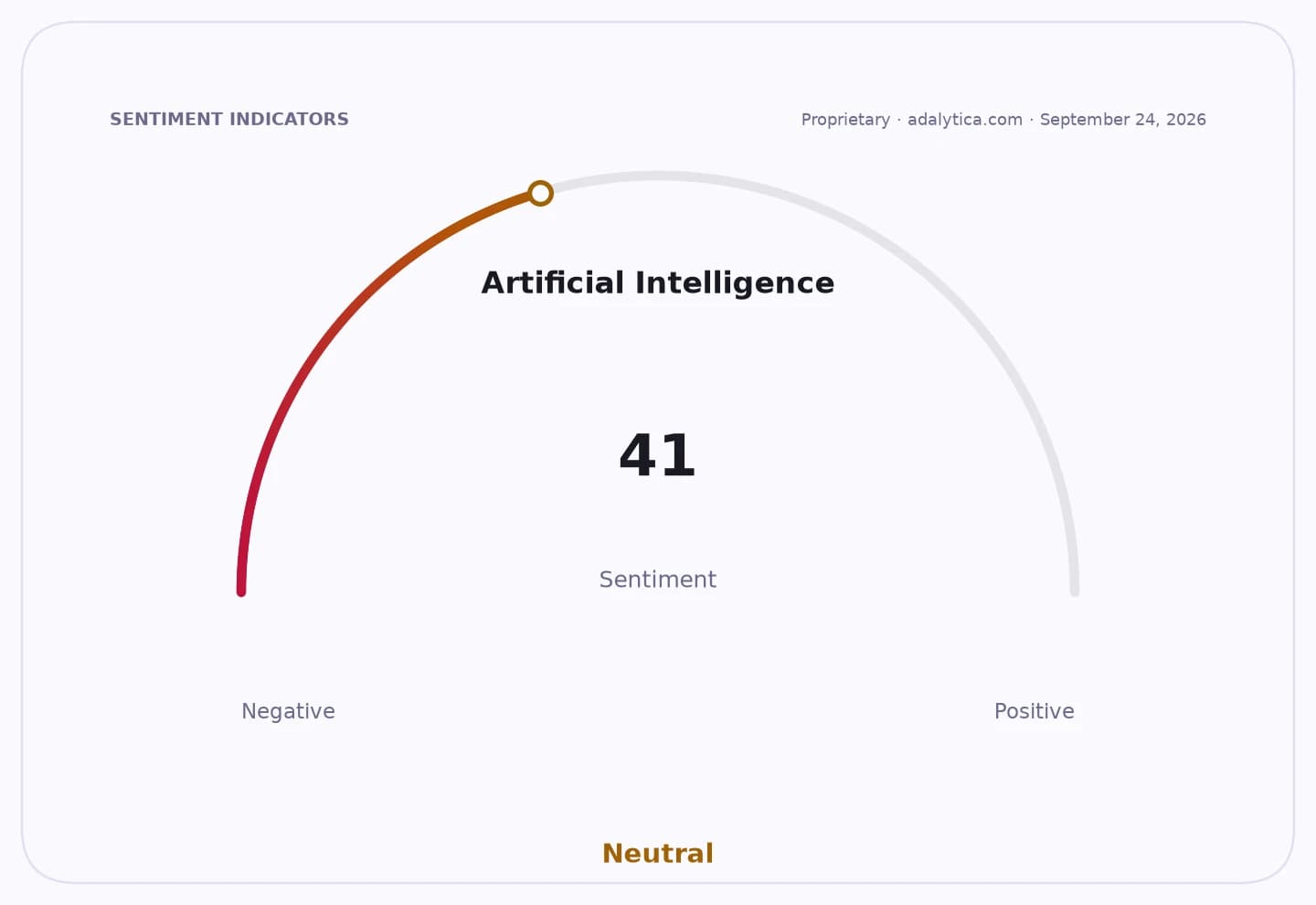
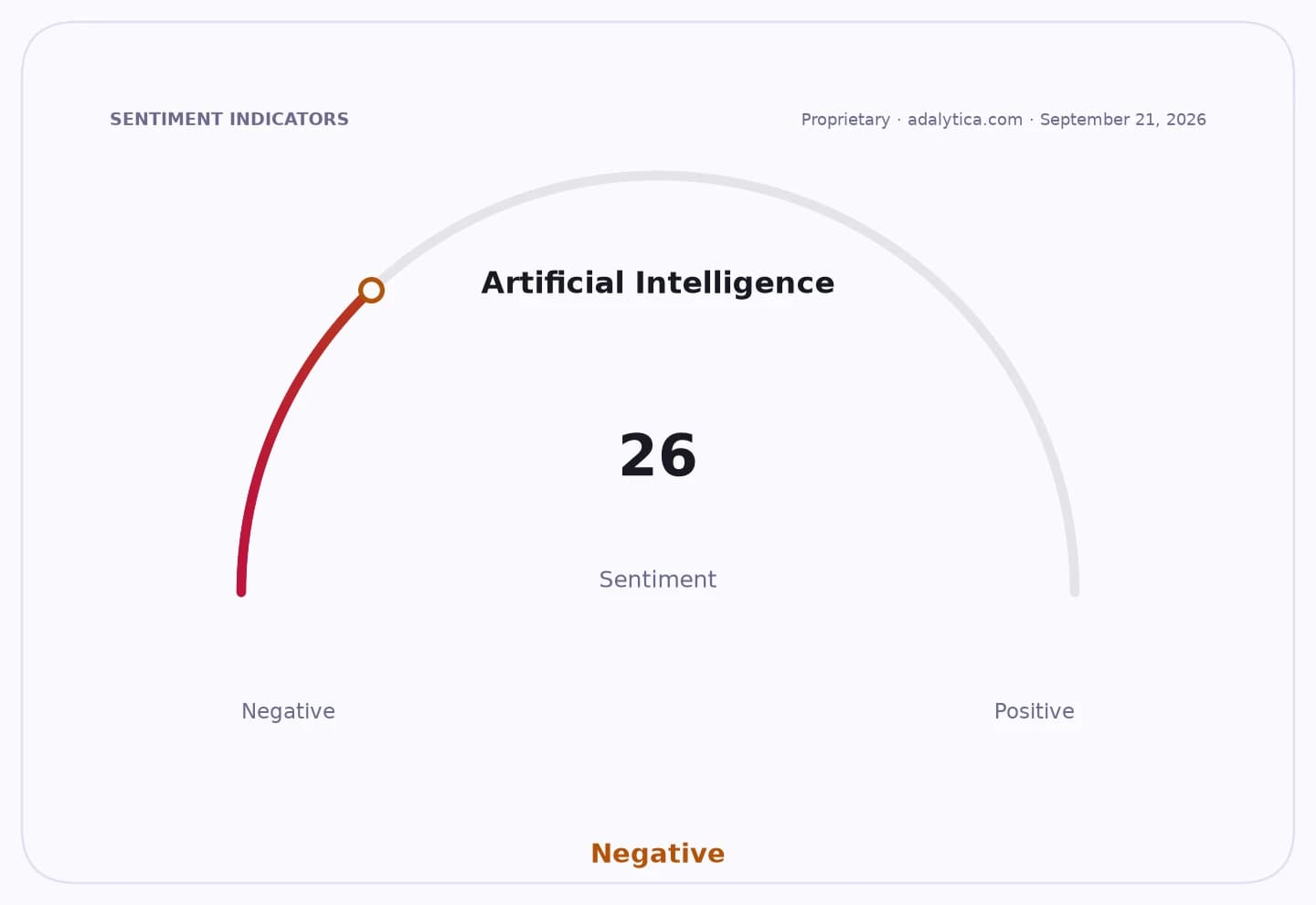
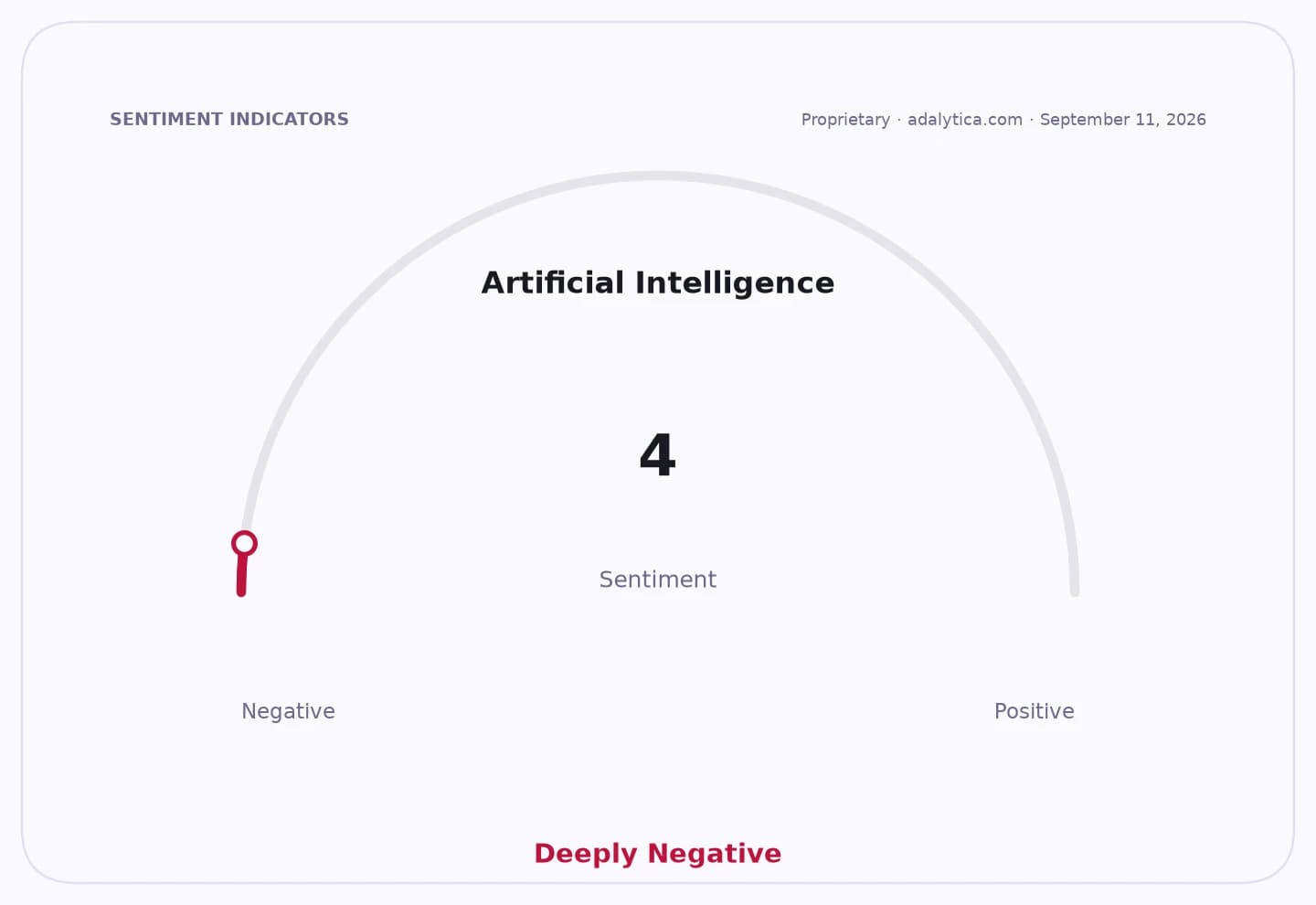
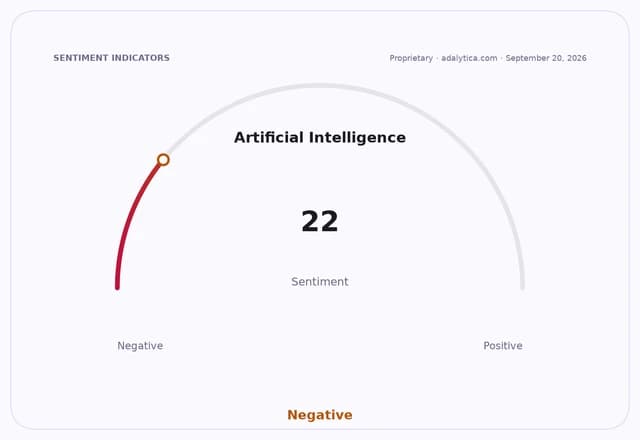
Sentiment IndicatorsⓘProprietary · adalytica.com · September 20, 2026
This is a snapshot — live sentiment, awareness and momentum for 130+ markets update continuously in the dashboard.Open AlphaPulse
The Netherlands’ asylum system has been under pressure for years, with overcrowded reception centers, security concerns and political backlash over migration. Using AI to speed up application handling is understandable from an administrative standpoint: governments face staffing shortages, rising caseloads and demands for quicker decisions. But the economic promise of automation disappears quickly if the technology is seen as opaque, unfair or legally vulnerable. In this case, the failure to register the systems suggests weak internal controls at the very moment officials are trying to modernize a sensitive process.
That tension is now a defining feature of the wider European AI market. Regulators want the efficiency gains from machine learning, but they also want audit trails, transparency and accountability, especially when the consequences can affect asylum status, deportation or family separation. Europe’s push for stricter AI rules could slow adoption in the short term, but it also increases the value of vendors that can prove governance, documentation and model oversight. That is where enterprise-focused platforms have an edge over point solutions that are easier to deploy but harder to defend.
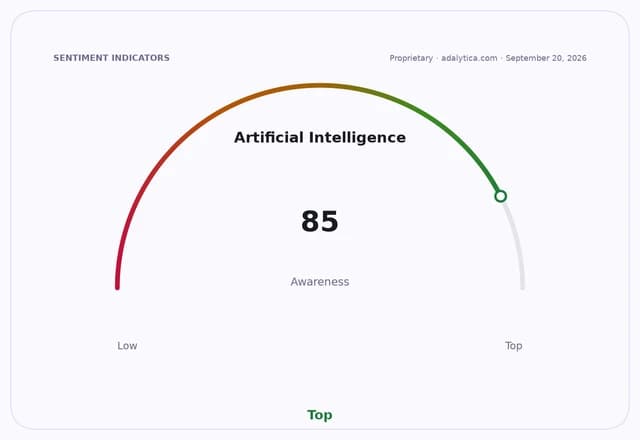
Investors should read this as a reminder that the AI trade is no longer just about model performance or inference costs. In government, healthcare and finance, the winning products will be the ones that can survive scrutiny. Firms with strong compliance tooling, data controls and lifecycle management can still benefit from the secular shift toward automated decision-making, but the bar is rising. In the near term, headlines like this may weigh on sentiment around AI adoption in Europe, yet over a three- to 10-year horizon they likely favor the larger software names with the resources to build trusted systems.
For long-term investors, the takeaway is simple: AI in the public sector is still a compelling theme, but governance is becoming a competitive moat. The companies that can help governments automate without creating legal risk are the ones most likely to compound value. Worth watching, not chasing.
| Entity | Gains | Losses |
|---|---|---|
| Government AI vendors | ▲Bigger demand for compliance tools | ▼Slower procurement cycles |
| Dutch IND | ▲Faster processing potential | ▼Regulatory scrutiny |
| Asylum applicants | ▲Quicker case handling | ▼Higher risk of opaque decisions |
| European regulators | ▲Stronger oversight role | ▼Slower AI rollout |