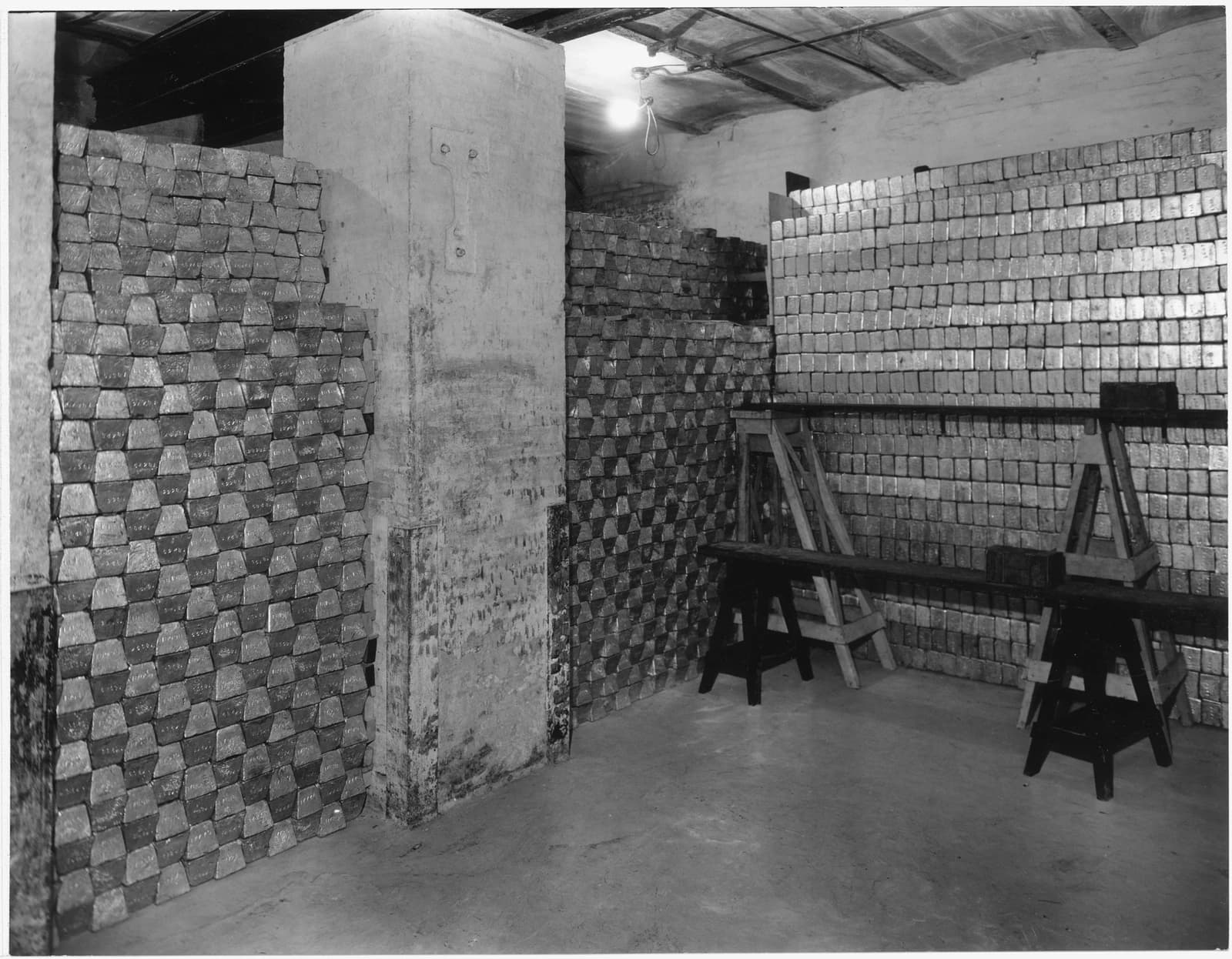
The Netherlands has pulled 86 tonnes of gold out of the United States and Canada, a move that underscores how central banks are rethinking where they keep their reserves as geopolitical frictions and doubts about US reliability mount.
Netherlands Repatriates 86 Tonnes of Gold
The Dutch central bank said the transfer, completed between March and August, was intended to boost “crisis preparedness” and make the country’s bullion more readily available in an emergency. Of the 313 tonnes previously held in North America, 59 tonnes were sold from New York and replaced with gold bought in London, while 27 tonnes were physically shipped back to Zeist. The rest was shifted through a similar buy-and-sell process.
Sentiment IndicatorsⓘProprietary · adalytica.com · September 5, 2026
This is a snapshot — live sentiment, awareness and momentum for 130+ markets update continuously in the dashboard.Open AlphaPulse
The decision matters because gold is not just an inert reserve asset. For central banks, it is a form of insurance that works best when it can be accessed quickly and without depending on another sovereign’s institutions. The Dutch move highlights a broader shift in Europe toward reserving strategic assets at home or in more politically neutral venues, reflecting a world in which trade, sanctions and alliance politics are increasingly entangled.
The Bank of England, where the Netherlands moved much of the bullion, is the world’s largest over-the-counter gold hub and is widely viewed as the most liquid storage location for central-bank gold. That helps explain why the DNB described gold there as “the most readily available” in a crisis. In contrast, bullion sitting in New York or Ottawa can be more cumbersome to mobilize quickly, even if the legal ownership remains with the Dutch authorities.
Market participants read the move through a geopolitical lens. Analysts pointed to the abrasive tone of the Trump administration toward allies, including tariffs, threats involving Greenland and public pressure on Canada, as a possible catalyst for Europe’s renewed caution. Others linked it to a longer-running European concern about the independence and predictability of US institutions. The argument is not that the Netherlands expects immediate confiscation, but that reserves held abroad introduce a counterparty and political risk that gold is meant to eliminate.
That logic has been reinforced by a wider repatriation trend. France has sold and replaced some of its gold holdings in New York, Germany brought back hundreds of tonnes over several years, and Austria, Italy and Türkiye have all signaled more interest in keeping bullion closer to home. For central banks, the economic case is straightforward: in a crisis, accessibility can matter more than yield. Gold does not pay interest, but it also does not rely on another country’s balance sheet.
The move also lands at a time when gold has been drawing renewed investor attention as a hedge against policy and geopolitical risk, even as prices have been volatile. Gold-backed funds such as GLD have remained elevated relative to long-term averages, while technical indicators have shown recent sharp swings rather than a straight-line trend. That suggests investors are still treating bullion as a portfolio diversifier, even if short-term positioning is being driven by Federal Reserve expectations and broader risk appetite.
For investors, the Dutch transfer is less about the mechanical location of 86 tonnes than about the message it sends: the world’s official institutions are preparing for a more fragmented financial order. That is supportive for gold’s strategic role, potentially constructive for bullion miners and gold ETFs over time, and a reminder that reserve management is becoming a geopolitical decision as much as a balance-sheet one.
| Entity | Gains | Losses |
|---|---|---|
| Netherlands / DNB | ▲Faster crisis access | ▼Exposure to foreign custody risk |
| Bank of England | ▲More bullion storage business | ▼None directly |
| US / Canada custodians | ▲Less reserve stickiness | ▼Reputational trust |
| Gold / bullion holders | ▲Stronger safe-haven case | ▼Yieldless asset appeal during calm |