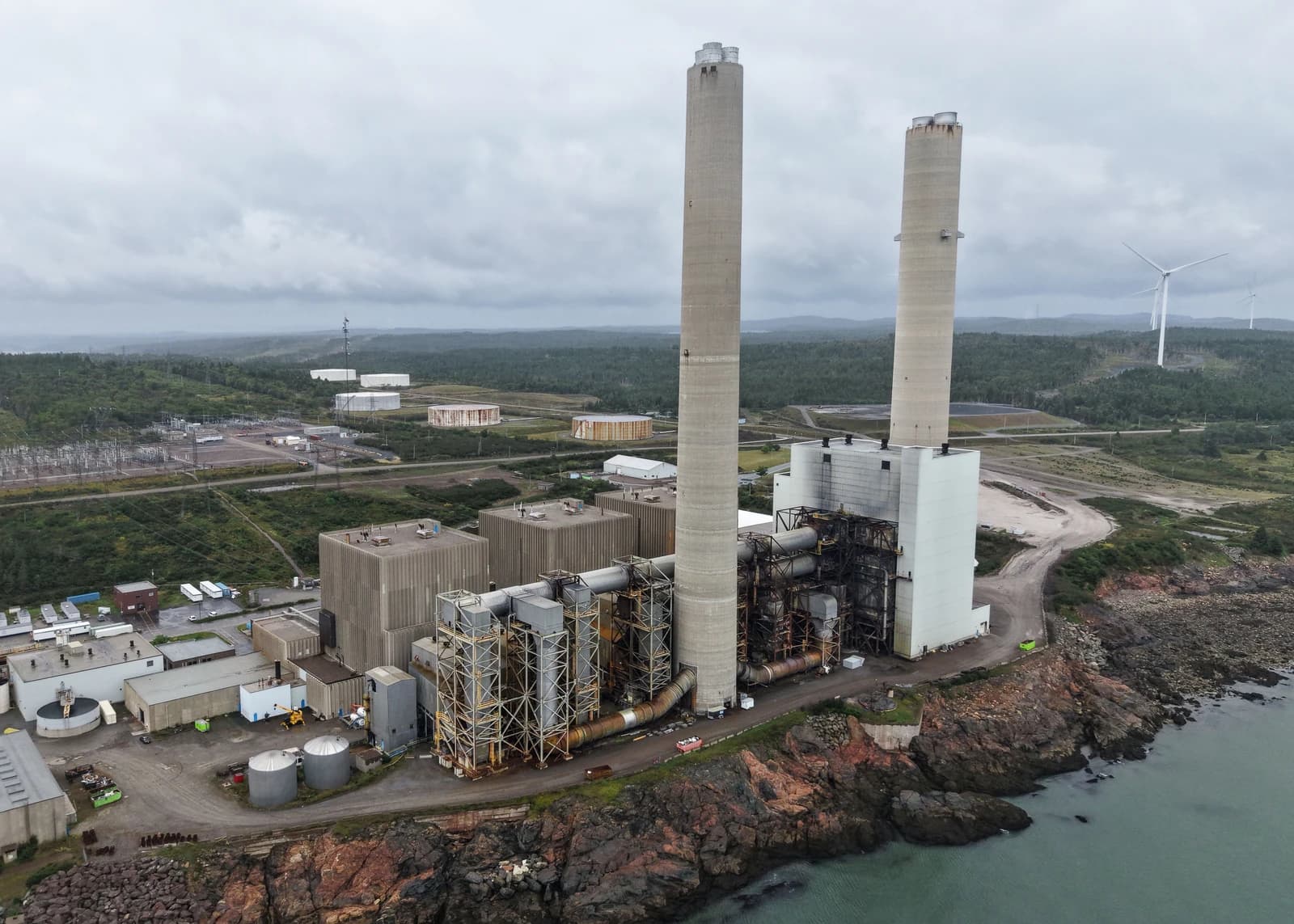
New Brunswick’s main utility is asking regulators to approve electricity rate increases over the next three years, a move that would help offset rising costs but add to pressure on households and businesses already facing stubborn inflation and high borrowing costs.
New Brunswick Utility Seeks Rate Increases
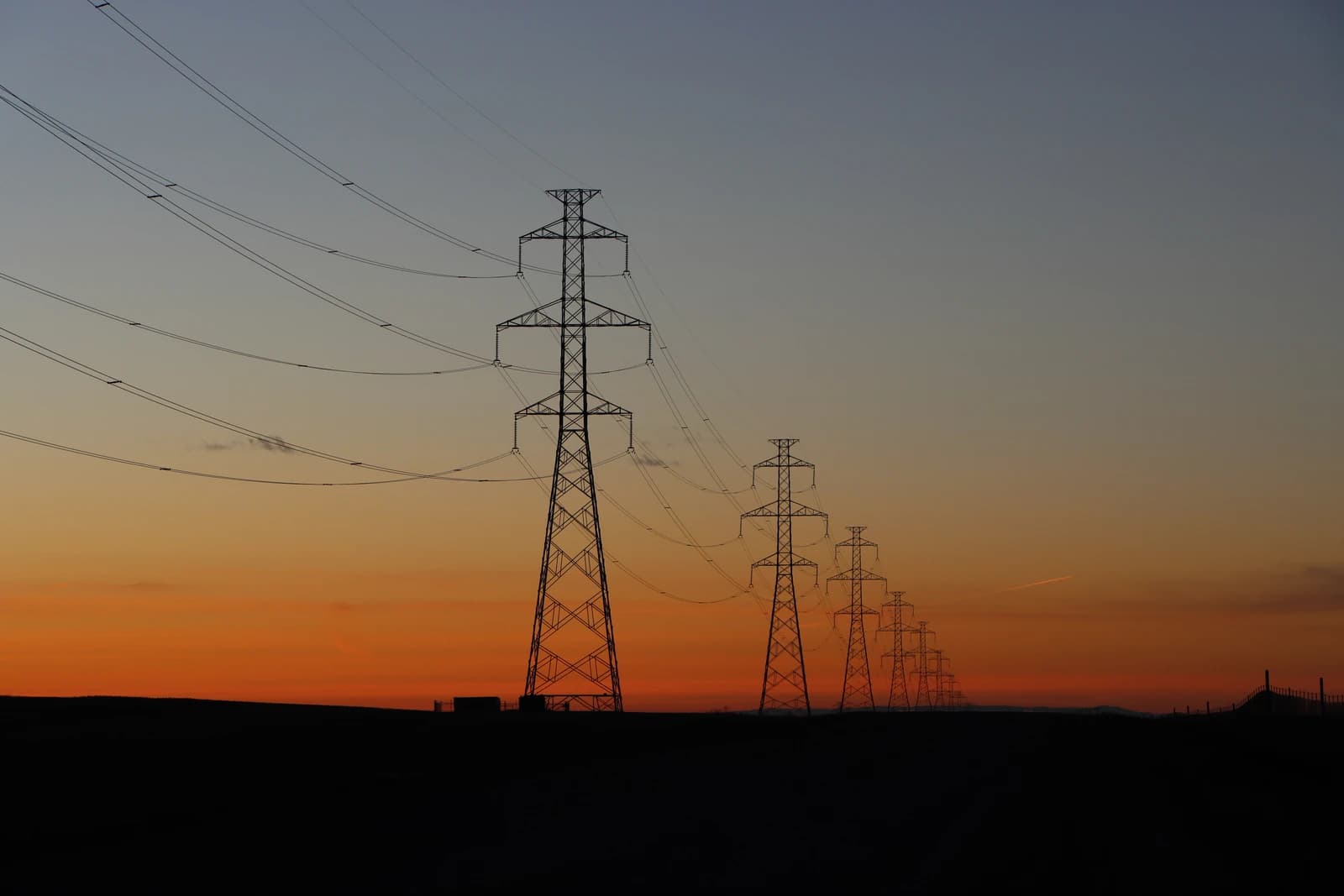
The proposal matters because regulated utilities are often a bellwether for how inflation, capital spending and financing costs flow through to consumers. With the 10-year U.S. Treasury yield around 5.28%, the cost of capital remains elevated, making it more expensive for utilities to fund grid work, generation upkeep and other long-life assets without passing some of that burden on to ratepayers.
Sentiment IndicatorsⓘProprietary · adalytica.com · October 9, 2026
This is a snapshot — live sentiment, awareness and momentum for 130+ markets update continuously in the dashboard.Open AlphaPulse
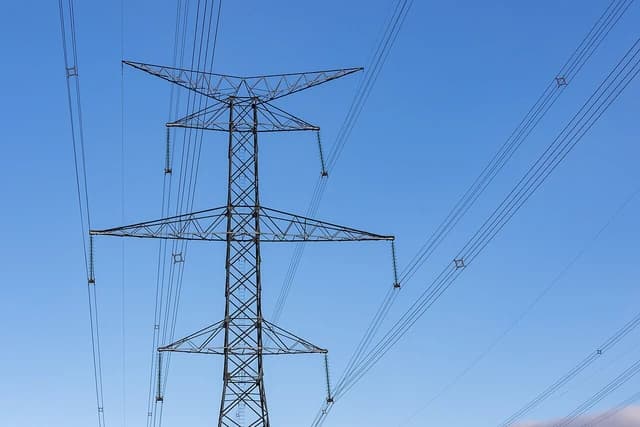
For investors, higher rates can support cash flow visibility for the utility if regulators allow recovery, but they also raise the risk of pushback from customers and public officials. Rate proceedings can affect earnings forecasts, dividend sustainability and valuation multiples across the North American utility sector, where income investors often prize stability over growth.
Brookfield Infrastructure Partners, which has exposure to regulated and contracted assets, saw its shares trade around $36.89 after recent volatility, while Fortis, another utility name, traded near $53.38, both below recent highs as the sector remains sensitive to interest-rate expectations and regulatory outcomes. Conventional technical indicators on both stocks show mixed near-term momentum, suggesting investors are waiting for clarity on earnings, financing costs and rate decisions.
The broader backdrop is one of still-elevated inflation, with U.S. consumer prices in the latest data running at 334.131 on the CPI index, underscoring why utilities are seeking relief through rate filings. The next catalyst is the regulatory review itself, which will determine how much of the requested increase the utility can recover and how quickly customers will feel the impact.
| Entity | Gains | Losses |
|---|---|---|
| New Brunswick utility | ▲Recovery of rising costs | ▼Regulatory pushback risk |
| Shareholders | ▲Better earnings visibility | ▼Delay or denial of hikes |
| Customers | ▲None | ▼Higher electricity bills |
| Fortis/Brookfield Infrastructure peers | ▲Sector-wide pricing precedent | ▼Higher scrutiny on rates |