Canada’s five-year government bond yield has bounced as a fresh rise in oil prices revived concern that inflation will stay sticky enough to keep the Bank of Canada cautious on rate cuts.
Canada 5-year yield rises as oil rebounds
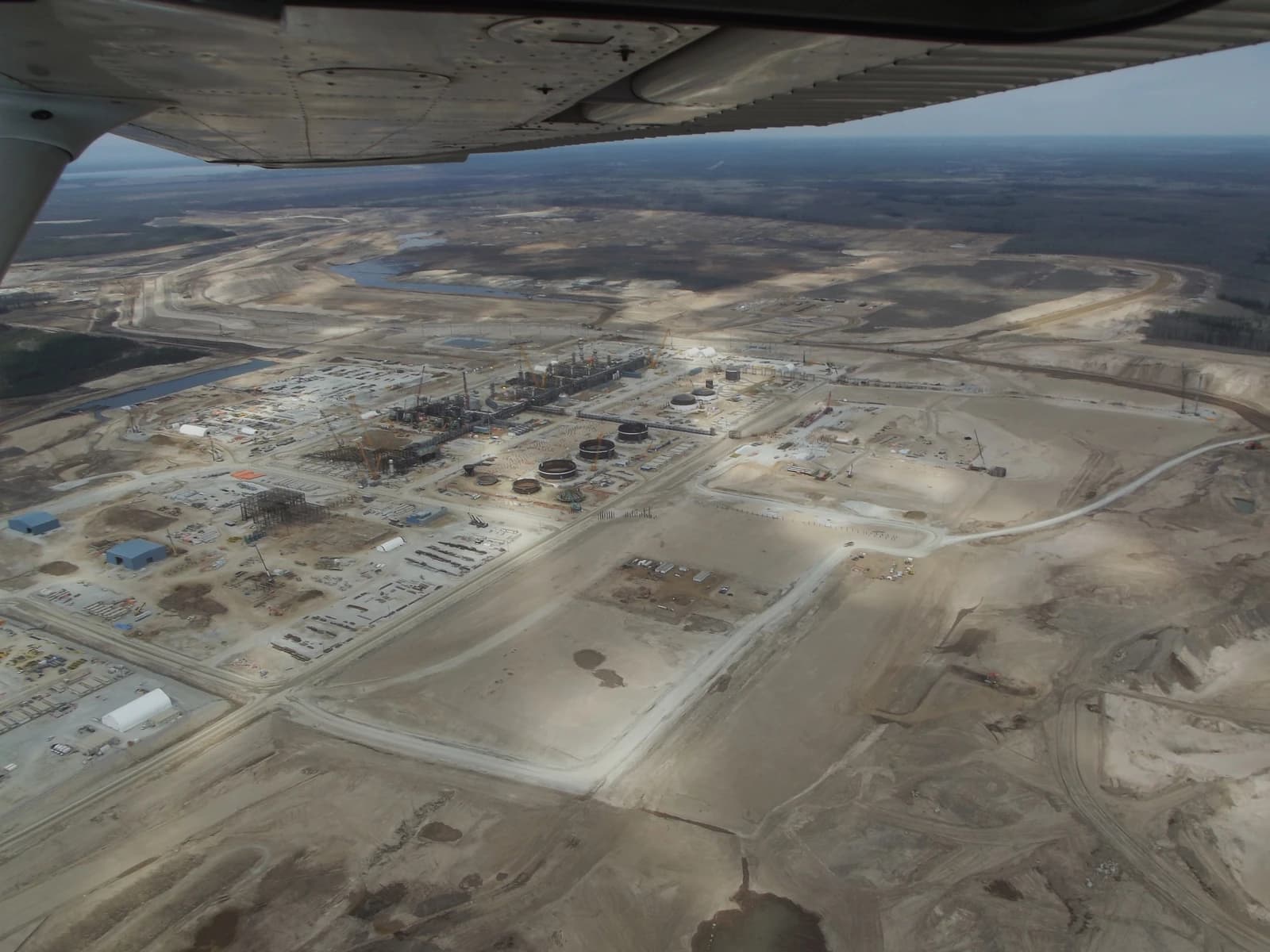
The move matters because Canada is unusually exposed to energy-driven price pressures: higher crude filters quickly into transportation costs, gasoline and broader inflation expectations, while also supporting export revenues and the domestic energy sector. That pushes investors to reassess the timing and size of any easing cycle, especially in the middle maturities that are most sensitive to policy expectations.
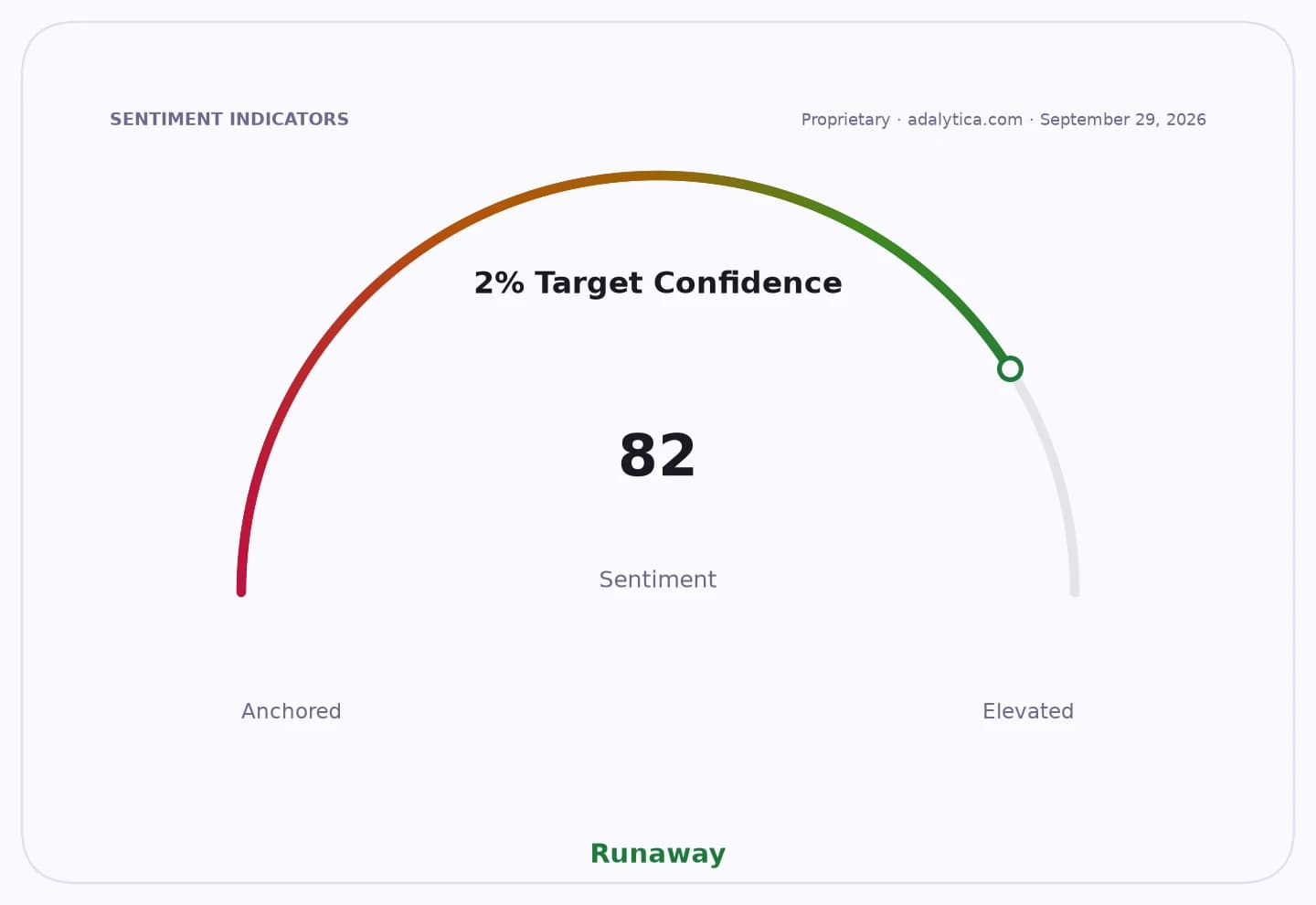
Sentiment IndicatorsⓘProprietary · adalytica.com · October 9, 2026
This is a snapshot — live sentiment, awareness and momentum for 130+ markets update continuously in the dashboard.Open AlphaPulse

West Texas Intermediate has rebounded toward $96 a barrel, up sharply from late-September levels near $85, after a brief pullback in early October. That is enough to stir memories of earlier oil-led inflation spikes, particularly when consumer prices are already elevated. U.S. CPI remains above the Federal Reserve’s target on the latest data, and long-term inflation expectations in Adalytica’s model are flashing extreme greed, underscoring how quickly markets can reprice inflation risk when commodities strengthen.
For bond investors, the key transmission is through expectations, not just current price levels. A firmer oil tape can delay the easing narrative, and that usually lifts yields at the front and belly of the curve. The Canadian five-year sector is especially vulnerable because it straddles the line between near-term policy direction and medium-term inflation credibility. If investors conclude the Bank of Canada will have to stay restrictive for longer, that would put pressure on duration-heavy portfolios and support shorter-dated cash and floating-rate exposures.
The market picture is consistent with that view. U.S. oil-tracking ETF USO remains well above its longer-term moving averages even after a pullback, while energy equities have held up better than rate-sensitive areas. By contrast, long-duration Treasuries, as tracked by TLT, have weakened, with technical readings showing the ETF below its 50-day average and momentum still soft. That combination suggests the recent bond selloff is being driven less by growth optimism than by renewed concern that inflation will prove harder to pin down.
Still, the bull case for bonds is that the latest oil move may prove transient if supply conditions improve or demand cools. The Bank of Canada can also look through short-lived commodity spikes if core inflation and labor-market data soften. But for now, crude’s rebound is enough to keep inflation risk embedded in Canadian rates, and that leaves five-year yields vulnerable to further repricing if energy prices stay elevated.
| Entity | Gains | Losses |
|---|---|---|
| Oil producers | ▲Higher revenue | ▼None |
| Canadian bond bulls | ▲Shorter if inflation cools | ▼Duration losses |
| Bank of Canada | ▲Policy cover if data soften | ▼Less room to cut |
| Borrowers | ▲None | ▼Higher funding costs |