A popular New Jersey organic grocer has abruptly shut two locations after a $70,000 rent dispute, underscoring how even small lease arrears can force retailers with thin margins to pull back quickly in a high-cost consumer environment.
New Jersey organic grocer closes two locations
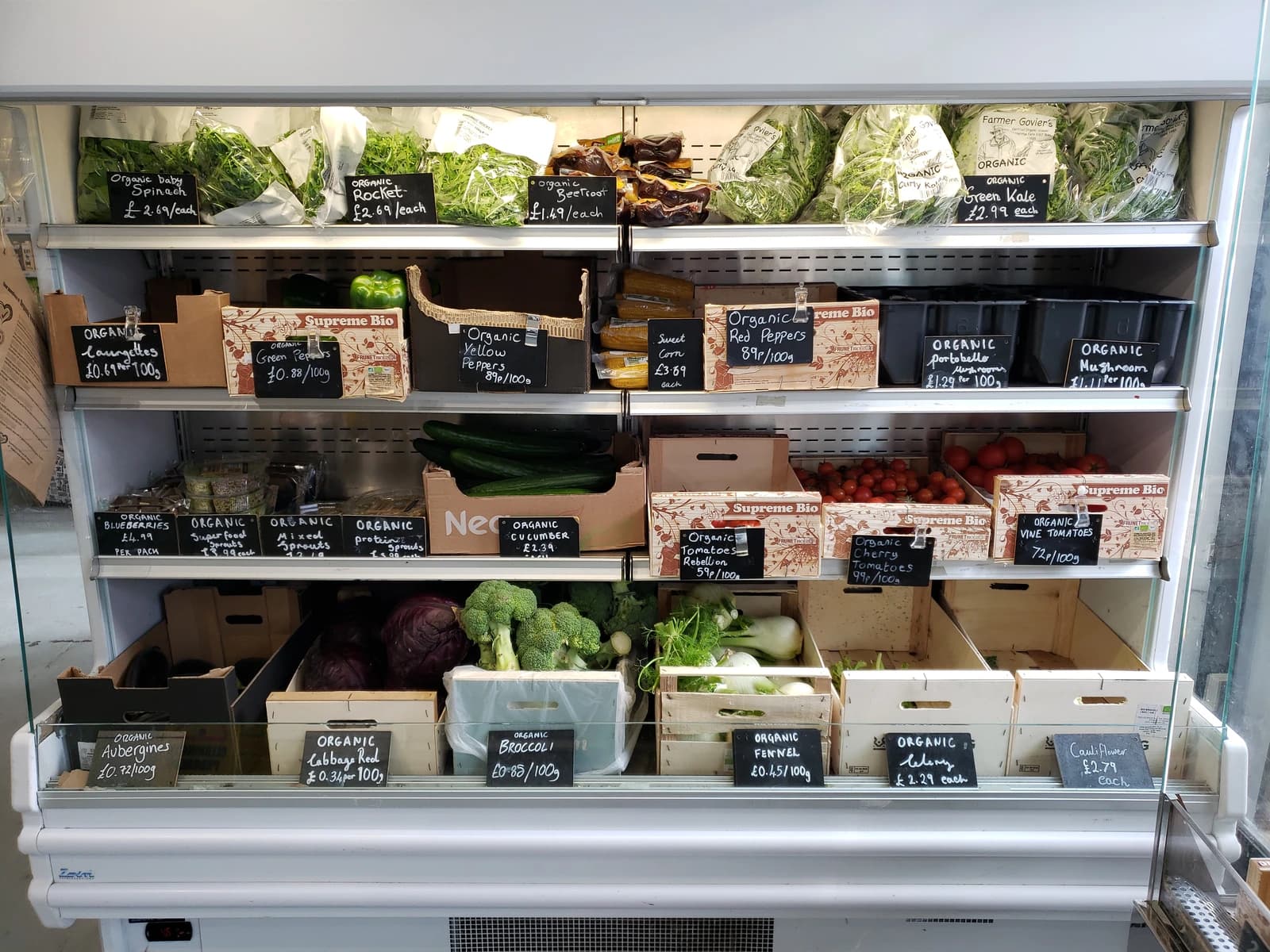
The closures matter because grocery and specialty food operators typically run on narrow margins and heavy fixed costs, leaving them vulnerable when rent, labor and inventory expenses rise faster than sales. A dispute over just $70,000 is large enough to disrupt cash flow, but small enough to show how quickly a local retailer can be pushed into retrenchment rather than negotiation.
Sentiment Indicators
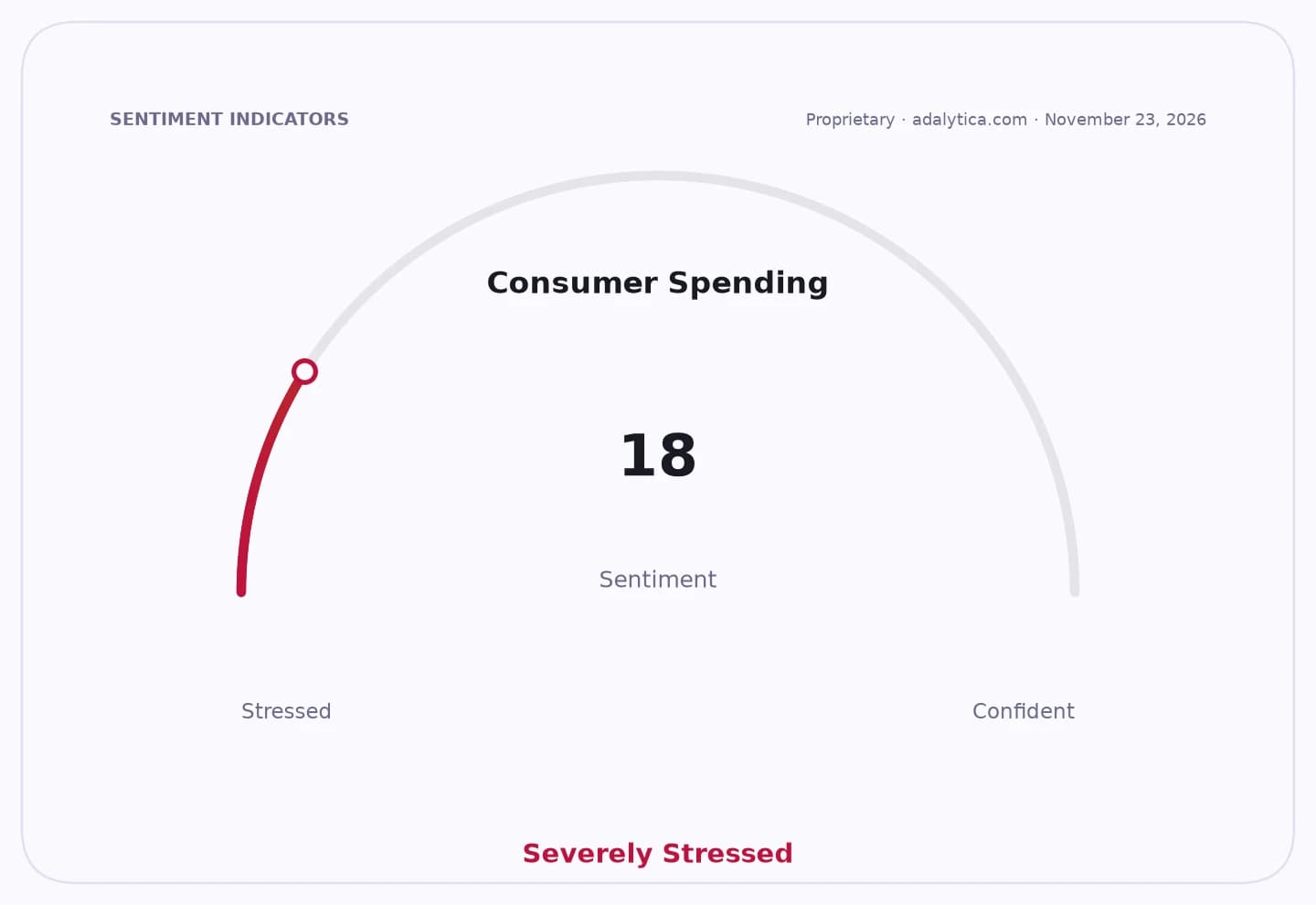
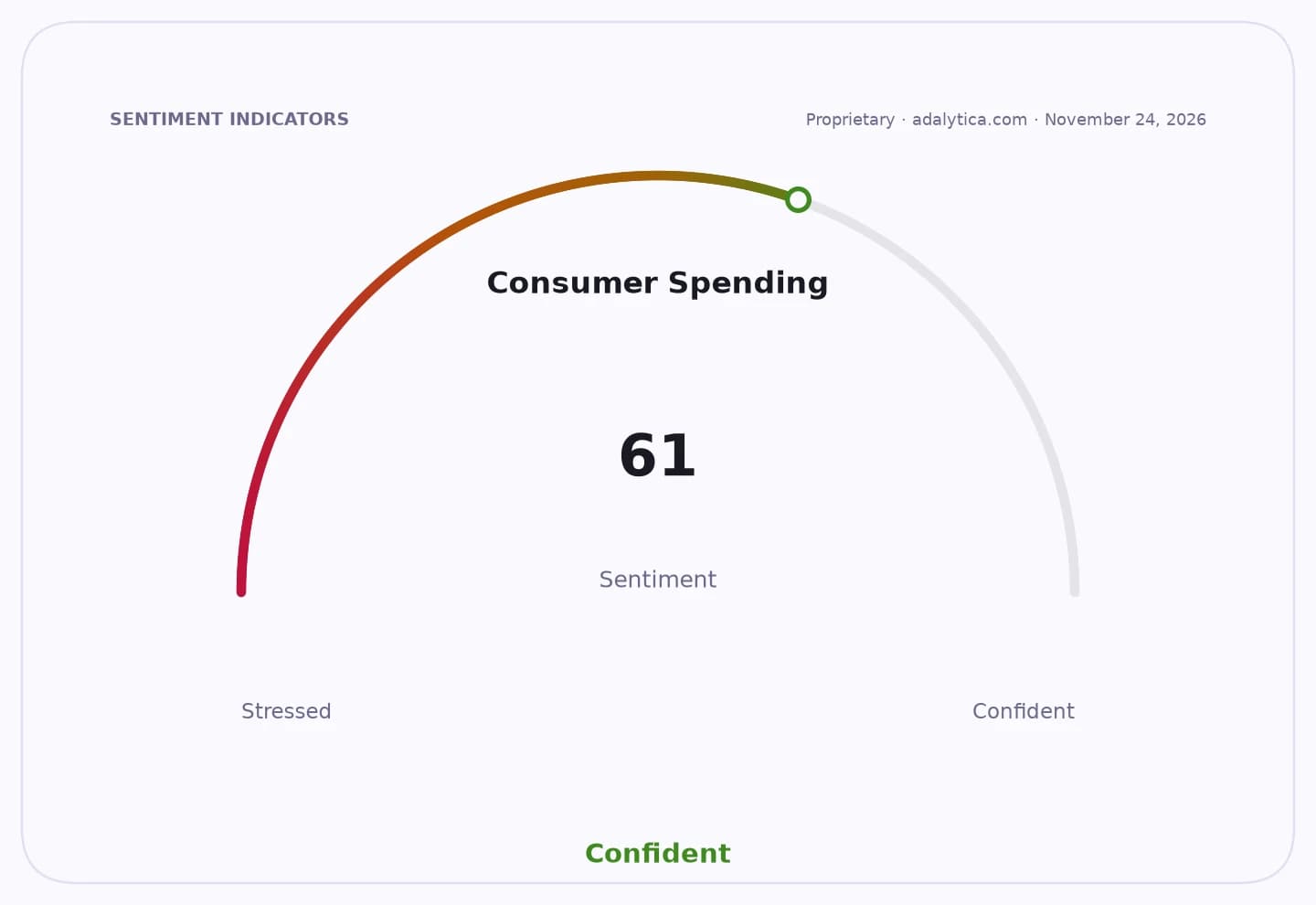
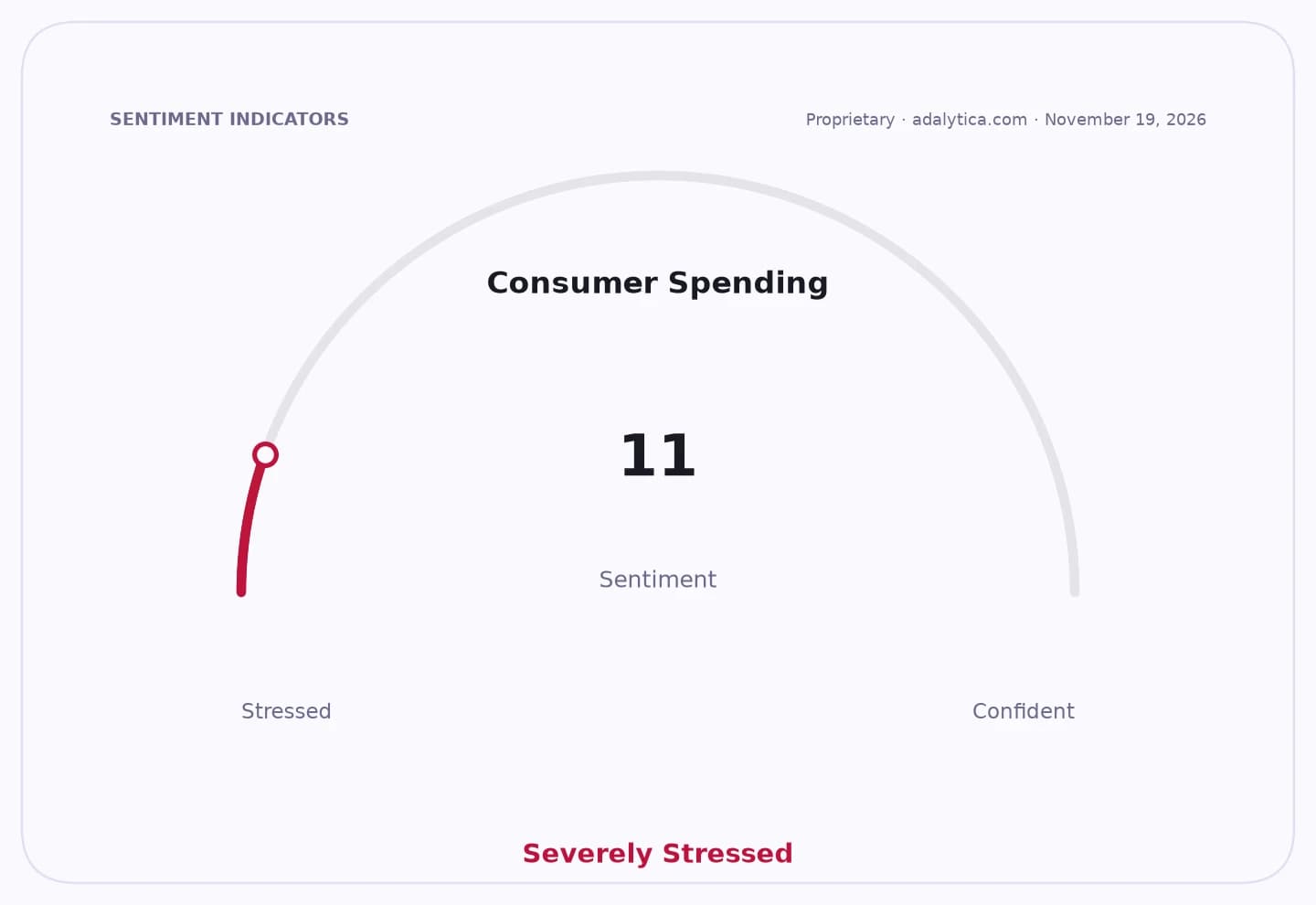
The move also lands against a backdrop of uneven consumer spending and a retail sector still balancing price-sensitive shoppers against sticky operating costs. Adalytica’s Consumer Spending Sentiment gauge sits at 75, in “Greed” territory, but the broader picture remains fragile: the S&P 500 trade-signal snapshot is still marked by “Fear,” while consumer-facing businesses continue to show stress in store traffic and rent coverage.
For investors, the story is less about one grocer than about the pressure points in neighborhood retail. Landlords, especially in grocery-anchored shopping centers, can be forced to choose between concessions and vacancy, while tenants with weak balance sheets risk closures that quickly become permanent. The event also highlights how local food access can tighten when specialty grocers exit a market, leaving shoppers to rely more heavily on bigger chains and discount formats.
The immediate question is whether the retailer can renegotiate leases or whether more locations are exposed if sales fail to cover occupancy costs. In a market still sensitive to consumer strain and commercial real estate stress, small disputes can become the first visible sign of a broader pullback.
| Entity | Gains | Losses |
|---|---|---|
| Landlord | ▲Receives leverage in lease talks | ▼Faces vacancy risk |
| Larger grocery chains | ▲Gain displaced shoppers | ▼Little direct impact |
| Discount retailers | ▲Capture value-seeking customers | ▼N/A |
| Local shoppers | ▲Some shift to alternatives | ▼Lose nearby food access |