A strike at Associated Grocers of New England is threatening to thin holiday shelves at Vermont independent supermarkets just as retailers depend on the year-end shopping season for one of their strongest cash-flow periods.
Associated Grocers strike hits Vermont independent stores
The labor dispute matters economically because groceries are a necessity, not a discretionary purchase: when inventory gets disrupted, stores lose transactions, consumers shift purchases elsewhere, and smaller operators can see margin pressure quickly. Vermont’s retail lobby says Associated Grocers supplies 17 independent stores in the state and owns eight of them, meaning the impact could ripple beyond one warehouse strike to a meaningful slice of the local grocery network.
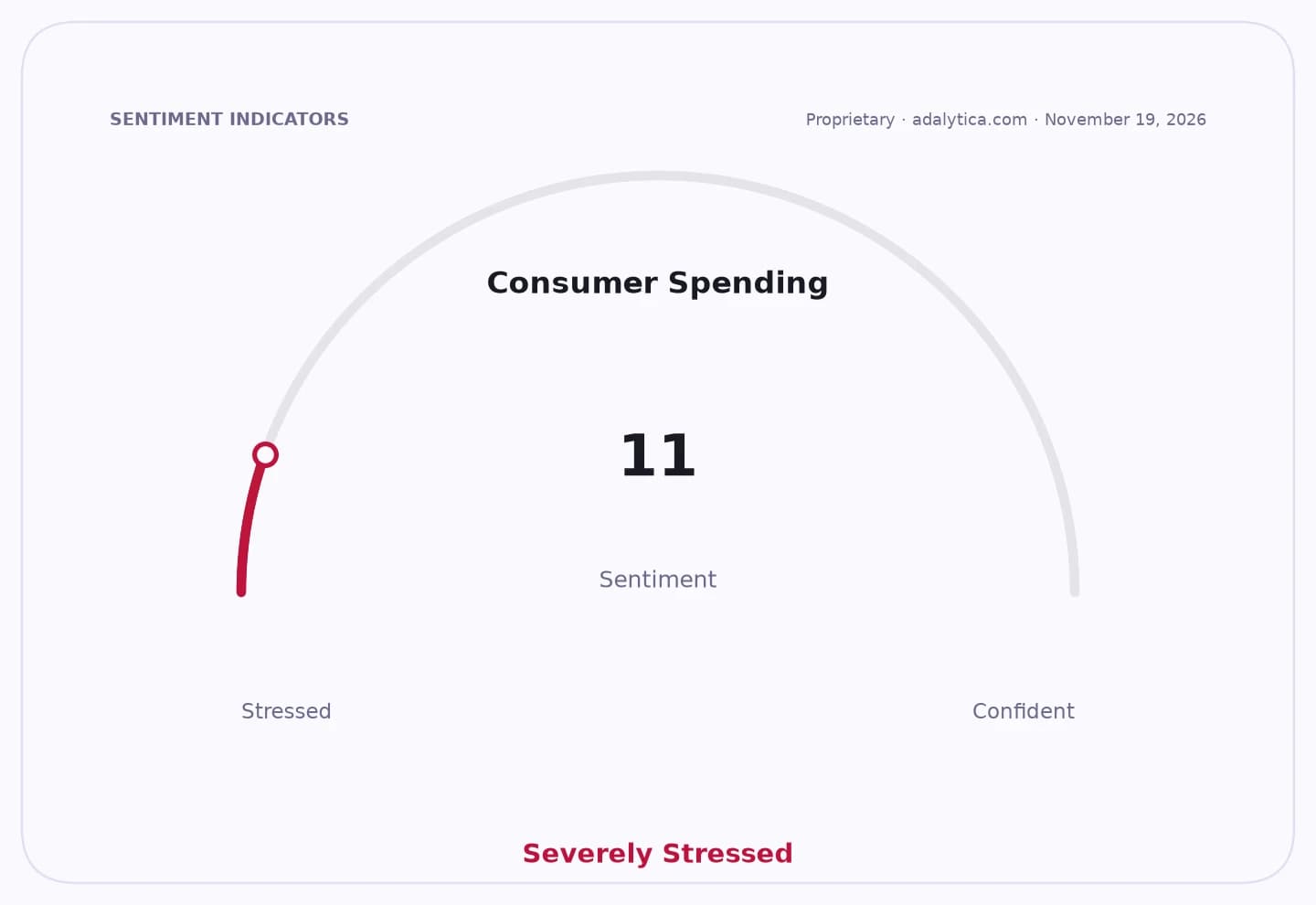
Sentiment Indicators
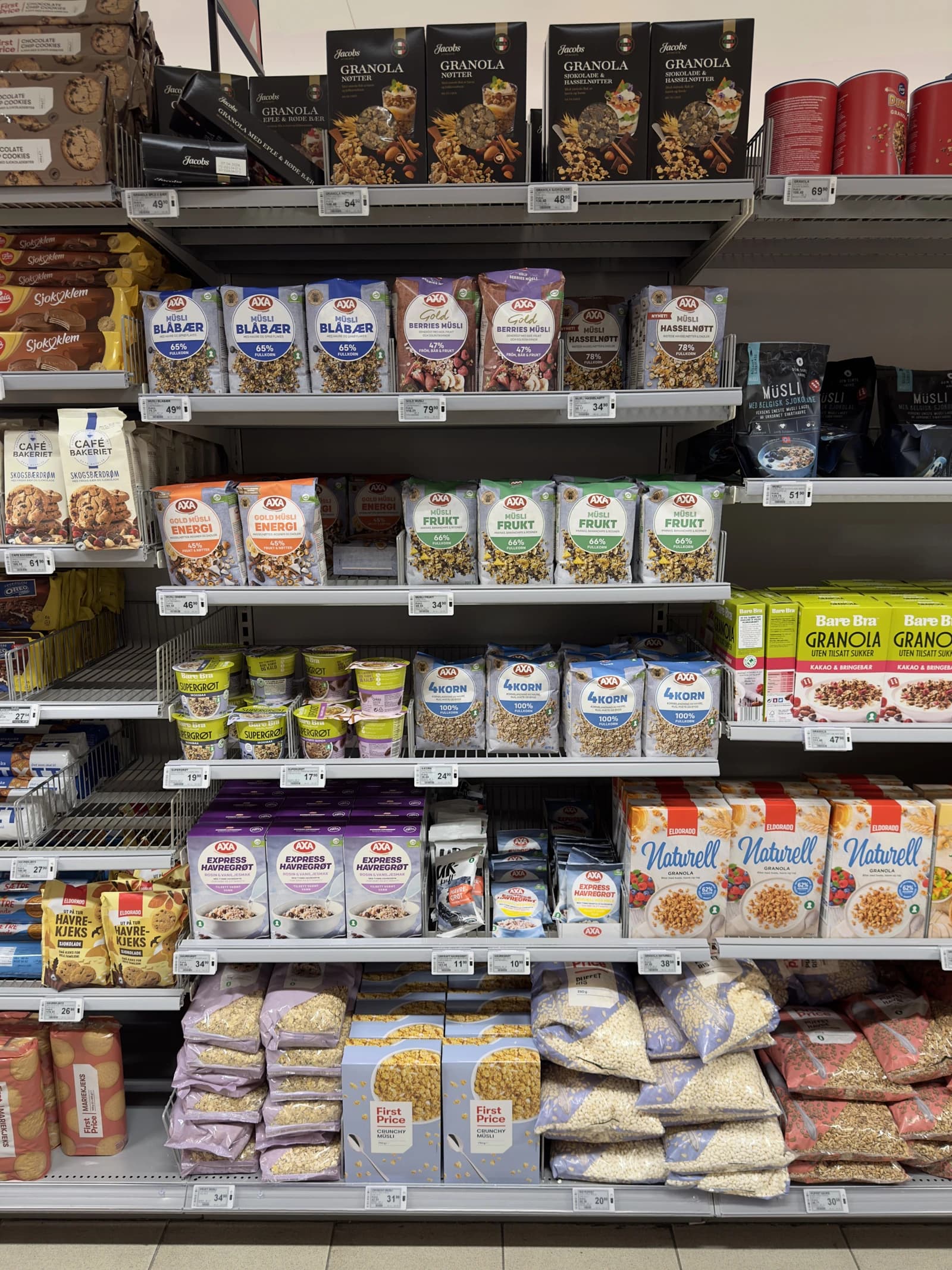
The timing is especially sensitive. Holiday shopping tends to lift basket sizes and foot traffic, and any shortage of staples can push customers to larger chains, discount formats or online alternatives. That can hurt independent stores that already operate with tighter assortments and less bargaining power than national rivals. The Vermont Retail and Grocers Association said stores are still open and need shoppers’ support even if shelves are less stocked, underscoring that the immediate risk is not a shutdown but a gradual erosion in sales if the strike drags on.
Associated Grocers said earlier this week it has workarounds and remains fully operational, suggesting the company is trying to keep product flowing while negotiations remain unresolved. But a supply-chain workaround is not the same as a labor settlement, and the longer the strike lasts, the more likely shoppers are to notice gaps in basics and change spending patterns. For local grocers, that can mean lost volume during the most important sales window of the quarter.
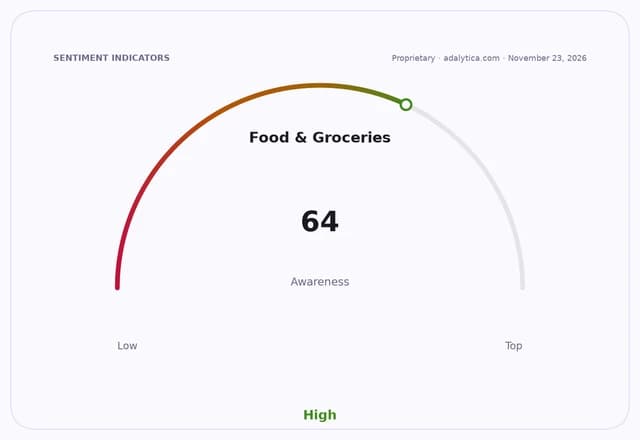
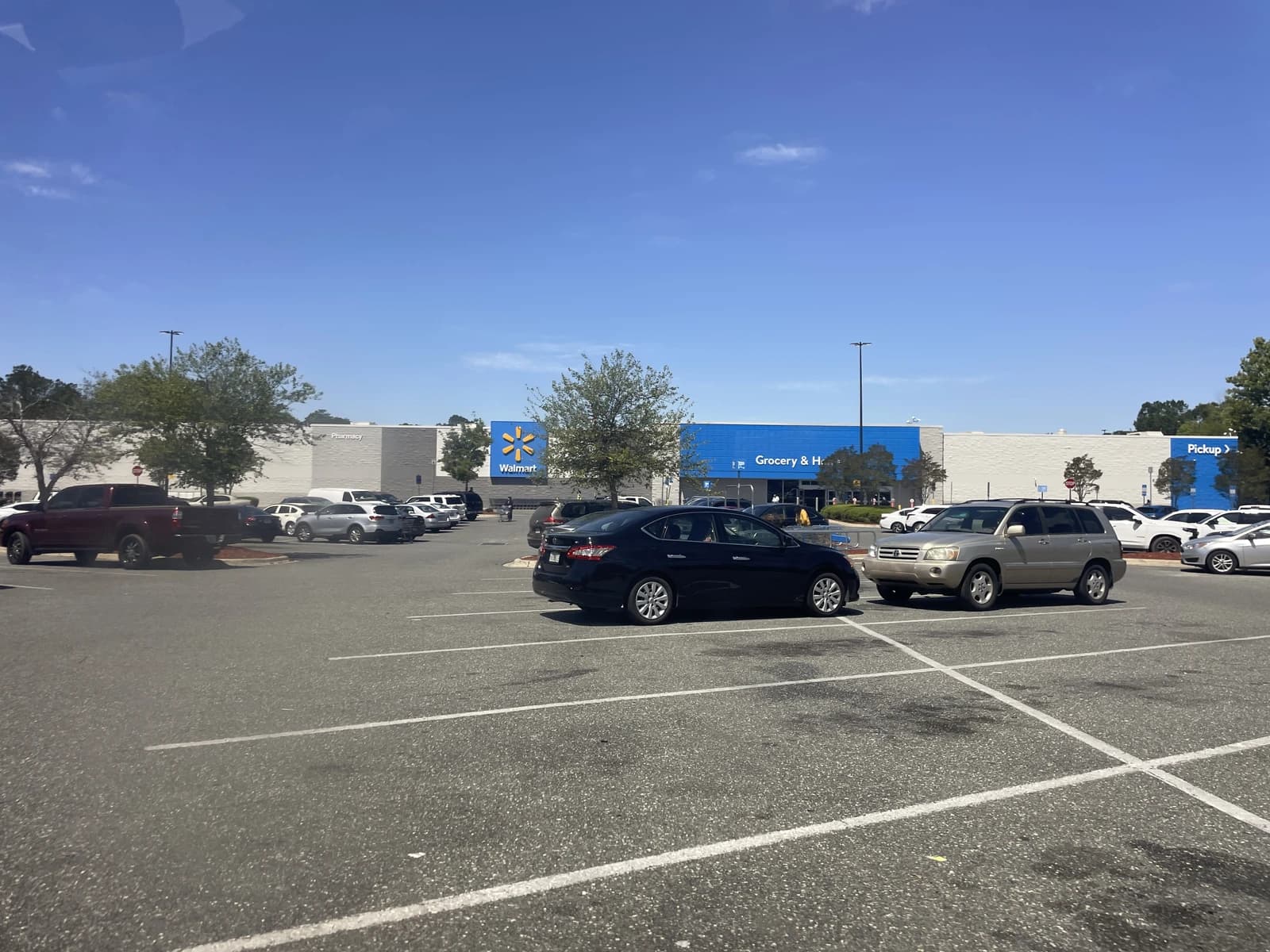
For investors, the direct public-equity read-through is limited, but the broader signal is clear: grocery retail is still vulnerable to labor interruptions at critical distribution nodes. Kroger, Walmart and Costco have all shown how execution in food retail can move sentiment and trading around fundamentals, while the strike adds another reminder that labor stability and supply-chain reliability remain core to grocery profitability. If the dispute is resolved quickly, the damage may be contained to near-term sales softness; if it lingers into the holidays, the losers are likely to be independent stores, workers and suppliers tied to those shelves.
| Entity | Gains | Losses |
|---|---|---|
| Local Vermont grocery shoppers | ▲More bargaining power if stores discount to move stock | ▼Fewer choices, thinner shelves |
| Independent Vermont grocers | ▲Support from loyal customers | ▼Holiday sales, margins, inventory availability |
| Associated Grocers of New England | ▲Potential leverage in negotiations | ▼Revenue, reputation, operational normalcy |
| Larger chains/discount grocers | ▲Share gains from displaced traffic | ▼N/A |