A growing share of U.S. households are borrowing to buy groceries, underscoring how persistent food inflation is forcing even middle-income consumers to use credit for basic necessities and raising the risk of a drag on spending, savings and credit quality.
U.S. Households Use Credit for Groceries
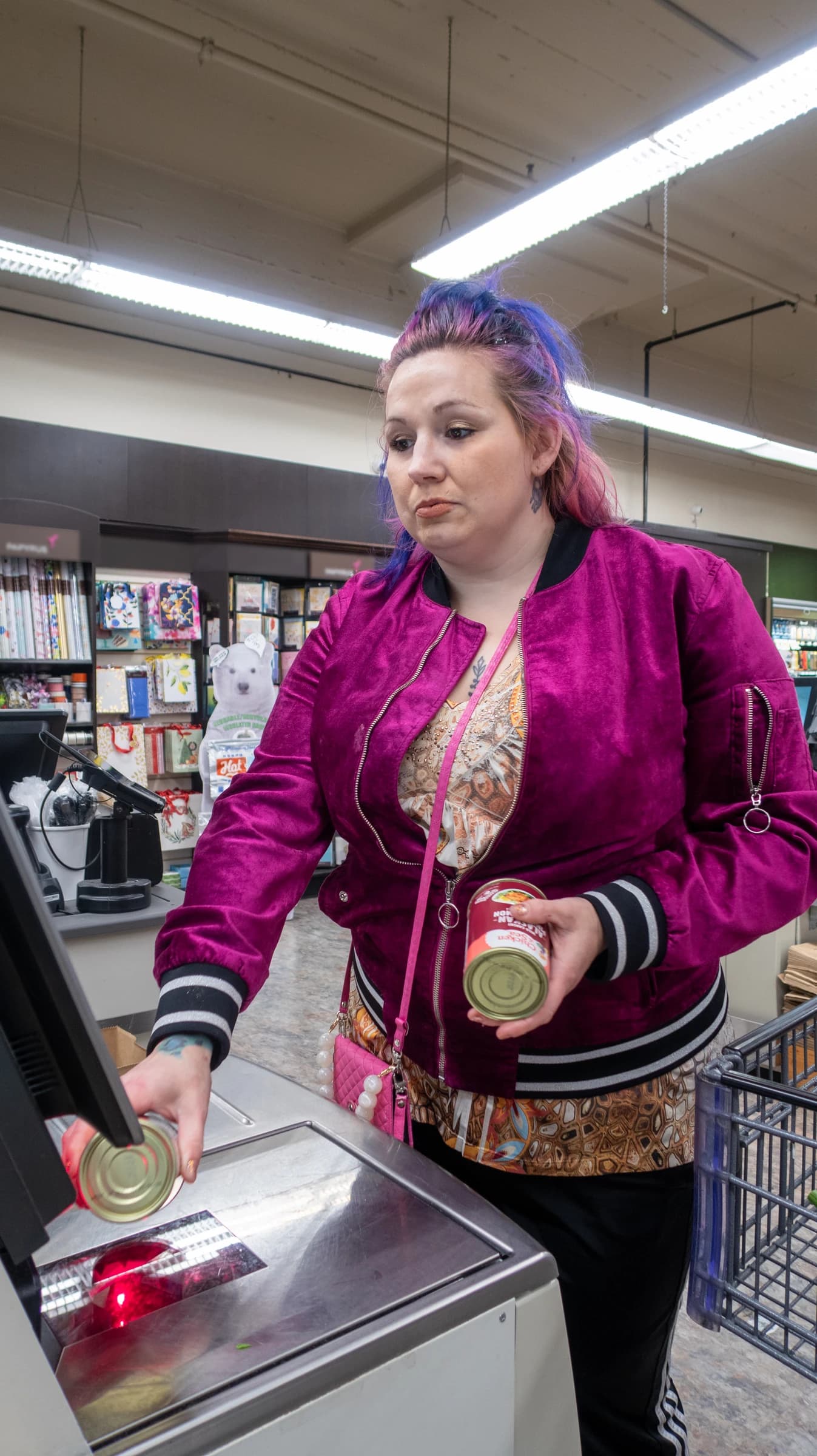
About 35% of Americans are now using credit cards to pay for groceries, according to a recent Urban Institute survey, while roughly one in four of those shoppers says it is struggling to pay off that food debt. Another 10% are using buy-now-pay-later apps for groceries, and more than a third of that group has missed a payment, a sign that a short-term workaround is turning into a longer-term balance-sheet problem for households.
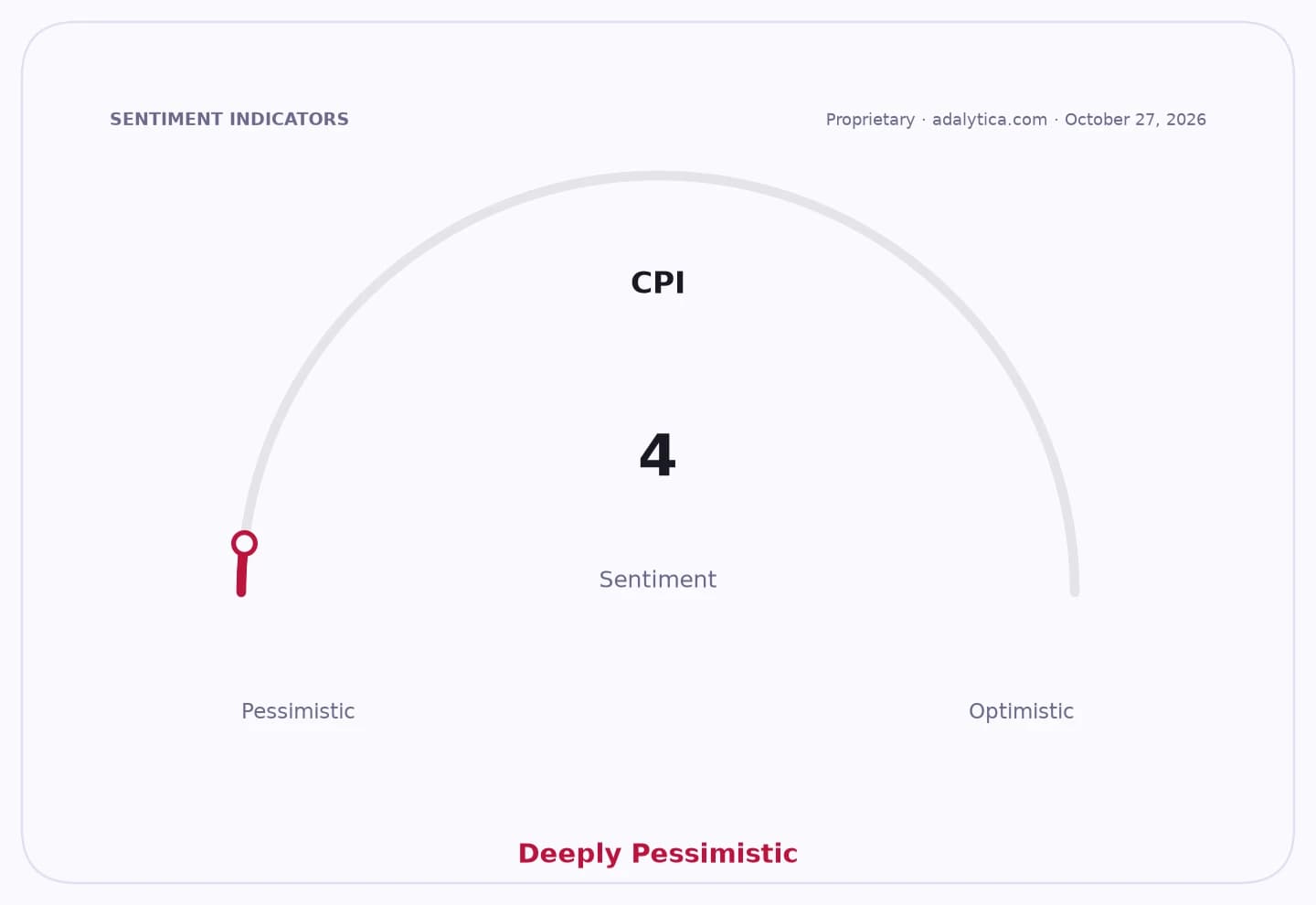
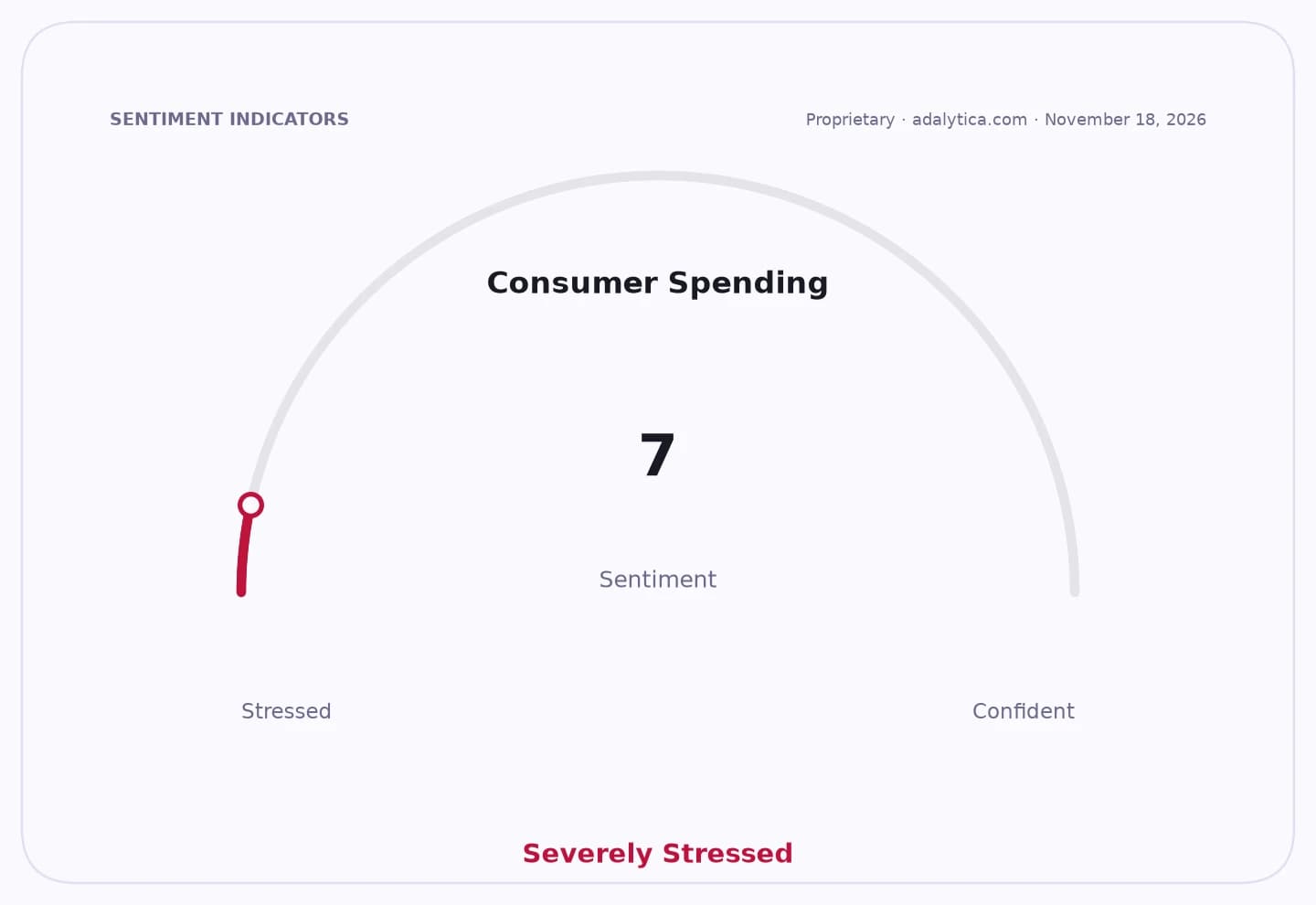
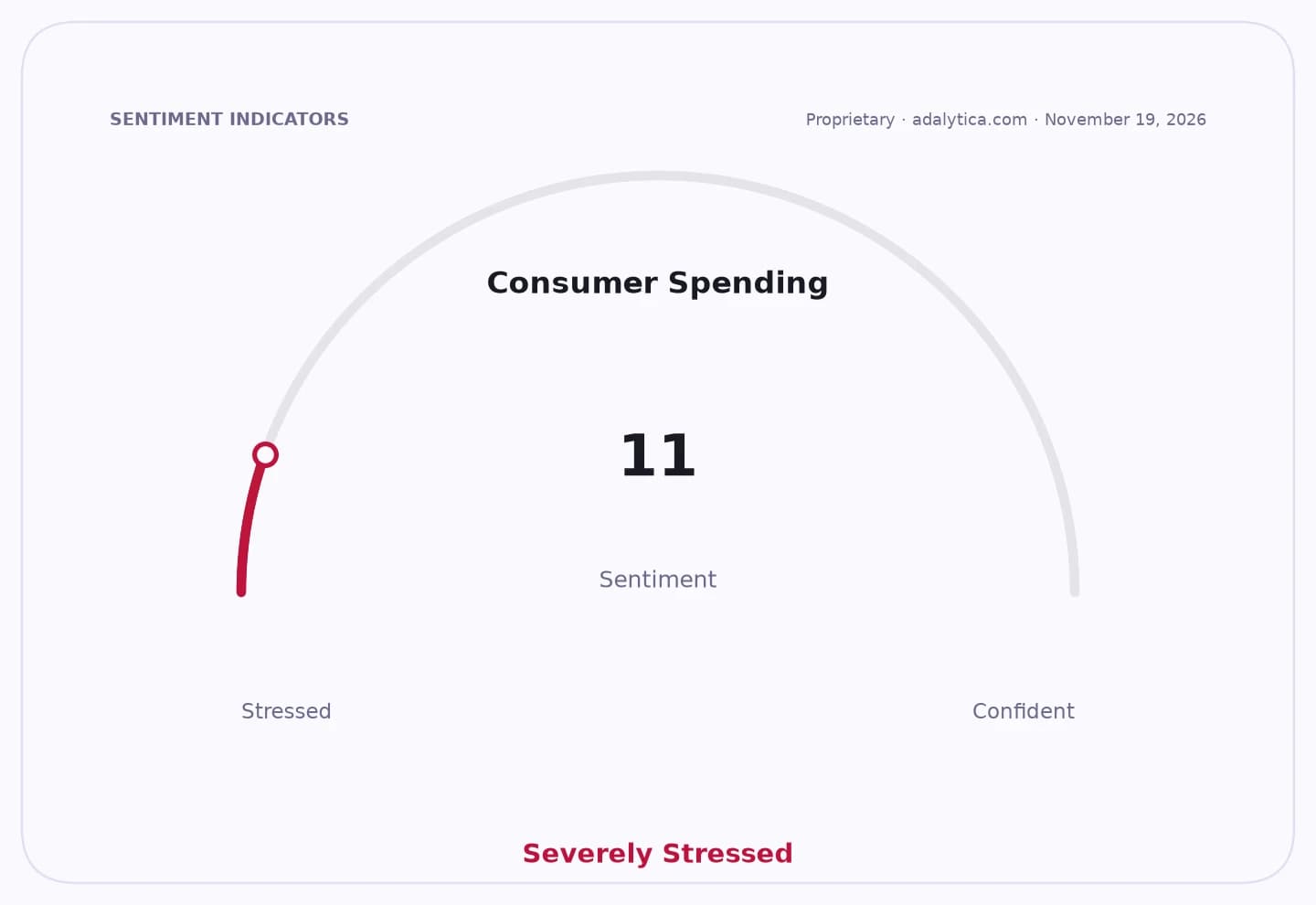
Sentiment Indicators
The shift matters because groceries are not discretionary. When families finance food, it usually means wages, savings or other borrowing are not keeping up with the essentials. That can weaken consumer resilience even if headline unemployment remains low, and it helps explain why spending is holding up unevenly: people still buy, but they are increasingly trading down, stretching pay cycles and leaning on credit to bridge the gap.
The strain is being amplified by the price level itself. Grocery bills are about 32% higher this Thanksgiving than in 2020, according to the Bureau of Labor Statistics, while nearly 14% of Americans said in 2024 they were struggling to eat. That pressure is helping steer demand toward discount grocers such as Aldi, Lidl and Food 4 Less, as shoppers search for cheaper private-label staples. Aldi says it is on track to open 150 stores this year and private labels now account for 92% of what it sells, reinforcing a structural shift away from traditional supermarket brands.
For retailers, that can be both an opportunity and a warning. Discounters and private-label suppliers gain share as consumers trade down, while larger chains face margin pressure if they have to defend traffic with promotions. Kroger has already pointed to stronger e-commerce, natural foods, meat and seafood and pharmacy sales in recent quarters, but the broader backdrop is a customer base under strain rather than expanding in real terms.
Investors should also pay attention to the credit side of the story. If households are revolving balances to buy food, delinquencies can climb in unsecured consumer lending even before broader economic weakness shows up in official data. That poses a risk to lenders and fintech firms tied to point-of-sale financing, while reinforcing a defensive case for grocery chains and value-oriented retailers that are capturing budget-conscious shoppers.
The central narrative is not just that food is expensive, but that inflation is moving from the checkout lane into household credit. If grocery inflation eases into next Thanksgiving, the pressure should moderate. Until then, the consumer story is one of resilience bought on borrowed money.
| Entity | Gains | Losses |
|---|---|---|
| Discount grocers | ▲Trade-down traffic | ▼Traditional supermarkets |
| Private-label brands | ▲Higher shelf share | ▼National brands |
| Consumers with slack budgets | ▲Access to cheaper food | ▼Households using credit to eat |
| Lenders/BNPL firms | ▲Transaction volume | ▼Delinquency risk |