British retail sales got an unexpected lift in October as households responded to a government “Be Ready” campaign by stocking up on long-life groceries, a sign that official messaging can still move real consumer demand even as inflation and higher borrowing costs squeeze spending power.
UK retail sales rise as households stock up

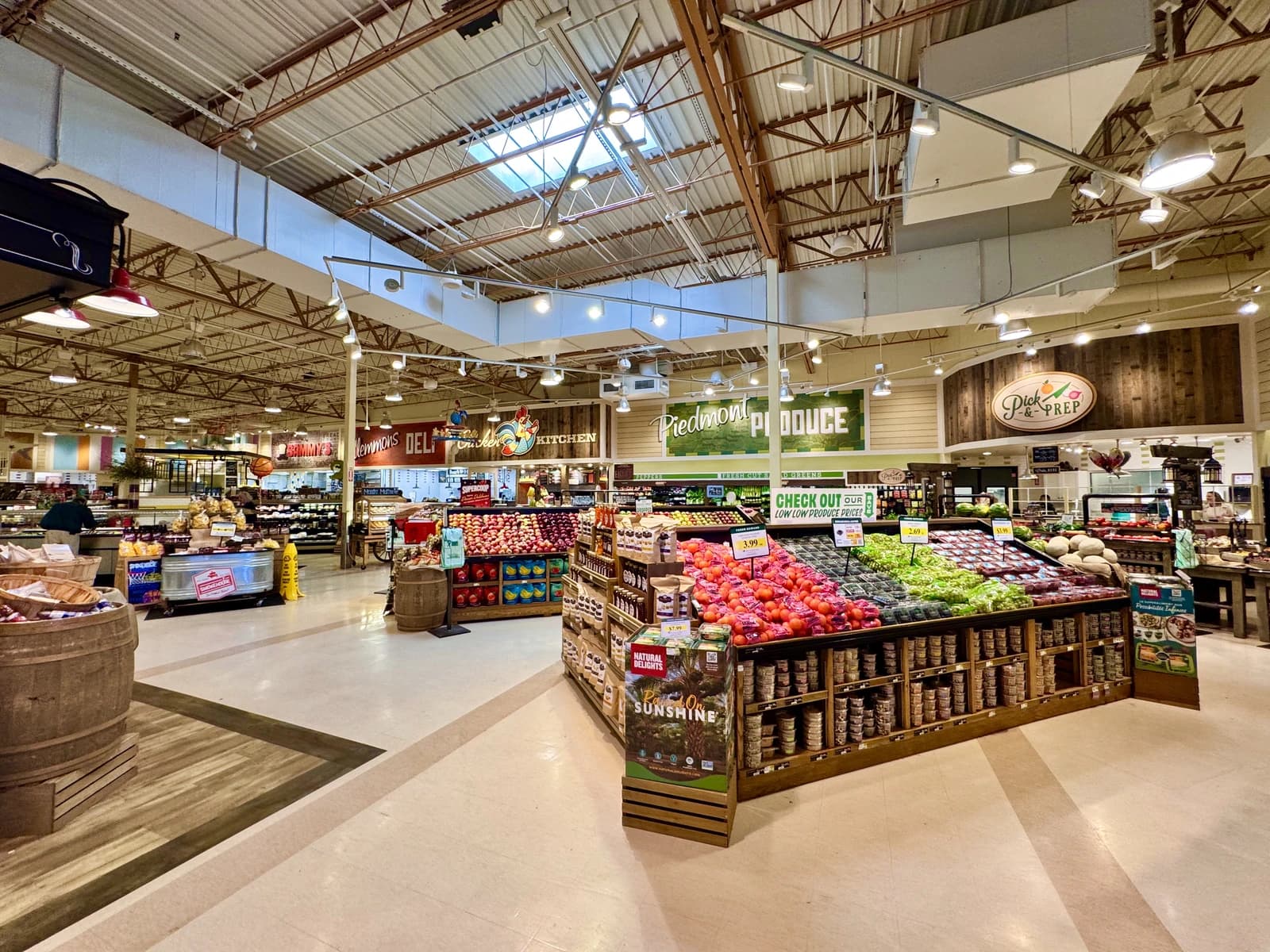
Sales rose 0.7% in the month, beating every economist in a Reuters poll, and annual growth accelerated to 2.3% from 0.4% in September, the strongest pace in two months. The Office for National Statistics said supermarkets saw increased demand for canned goods and UHT milk, products that typically benefit when shoppers front-load purchases ahead of possible disruption.
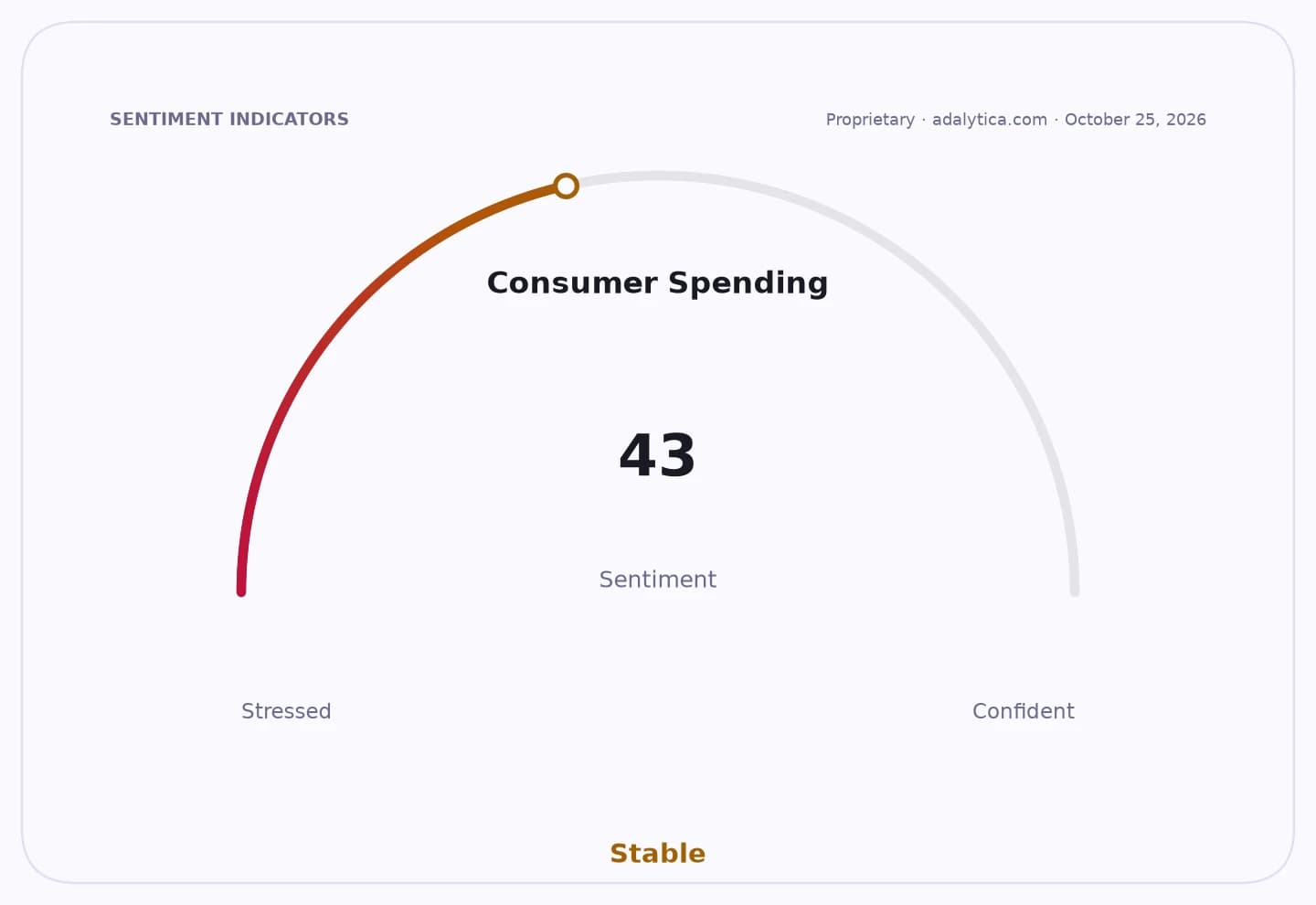
Sentiment Indicators
That matters because it shows UK consumers are not simply retreating under the weight of higher prices and interest rates; they are still willing to spend when the trigger is clear enough. The problem is that this kind of demand is not a clean sign of underlying strength. It is partly a timing effect, pulling purchases forward rather than creating durable new consumption. That makes the number useful for retailers in the short term, but less comforting for policymakers looking for evidence of sustained household resilience.
The retail data landed against a bleak backdrop for consumers. GfK said confidence fell sharply in October as fuel costs and higher loan rates hit household budgets, even though sentiment improved slightly in November. Inflation also moved back up to a one-year high of 3.6% in October, while the Bank of England raised rates for the first time in three years and warned that inflation could approach 5% by mid-2027, a combination that keeps real disposable income under pressure.
For investors, the key is to separate the beneficiaries of stockpiling from the broader consumer story. Supermarkets and packaged-food suppliers with long-shelf-life products can see near-term volume gains when households rush to prepare, while discretionary retailers remain far more exposed to the squeeze from borrowing costs and weak confidence. The market should also watch whether the latest sales strength fades once the campaign’s urgency passes.
The bigger message is that UK consumption is still being shaped as much by policy cues and inflation psychology as by wage growth. If that persists, the winners will be staples, grocers and defensive consumer names, while cyclical retailers will continue to face a stop-start demand environment. Investors should treat October’s beat as a tactical boost, not a full-fledged consumer rebound.
| Entity | Gains | Losses |
|---|---|---|
| UK supermarkets | ▲Higher food volumes | ▼ |
| Packaged-food suppliers | ▲Stockpiling demand | ▼ |
| Discretionary retailers | ▲ | ▼Softer traffic |
| Bank of England | ▲ | ▼Sticky inflation pressure |