UK retail sales volumes fell 0.4% in September, a sharper drop than economists expected, after unusually warm weather dented demand for autumn and winter clothing and left households spending more cautiously.
UK retail sales fell 0.4% in September
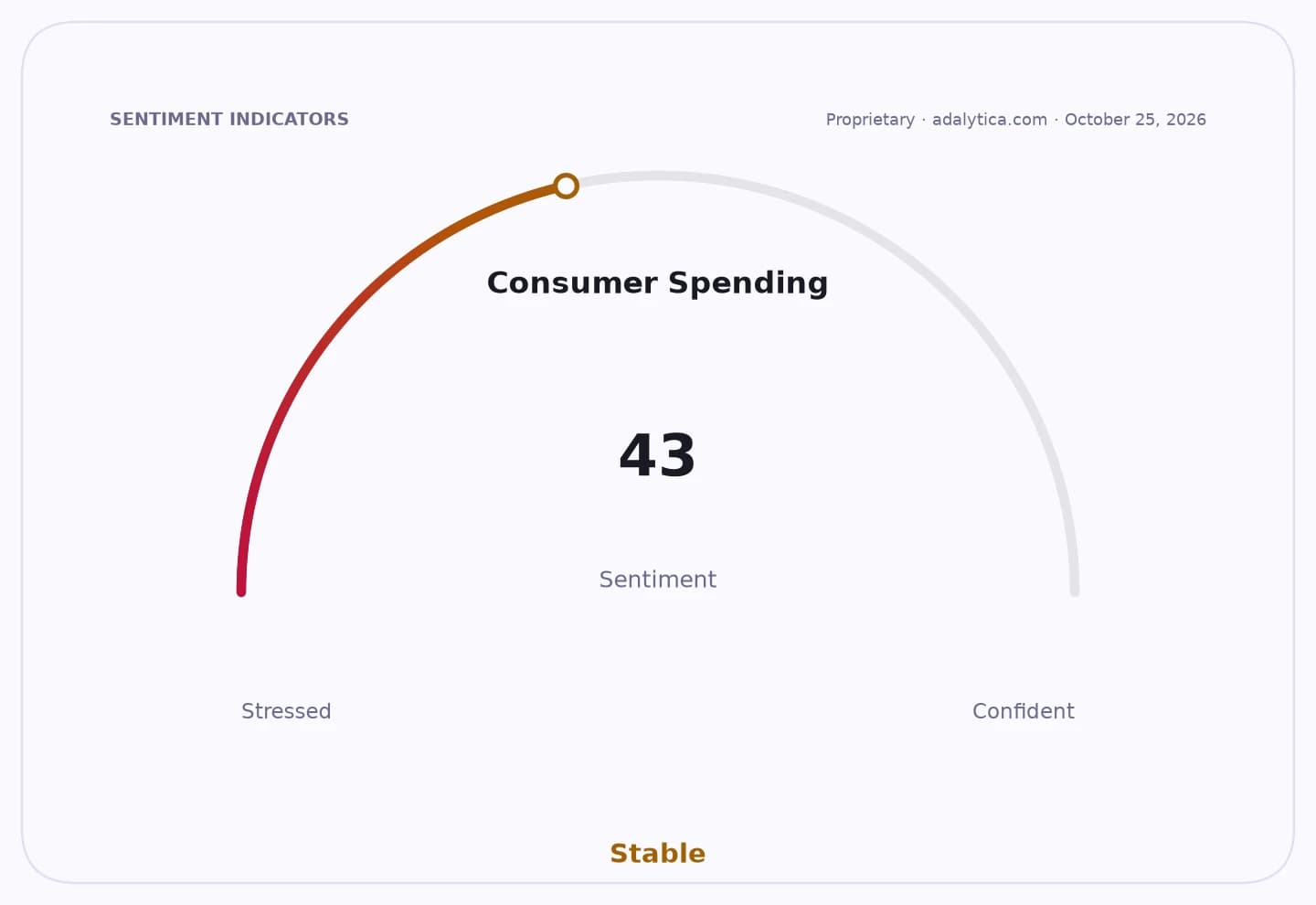
Consumer Spending
The Office for National Statistics said the monthly decline compared with forecasts for a 0.1% fall, underscoring how quickly discretionary spending can soften when weather disrupts seasonal buying patterns. August’s gain was also revised higher to 0.7% from 0.5%, while July’s drop was revised to 0.4% from a 0.5% estimate, suggesting a choppier summer for the high street than first thought.
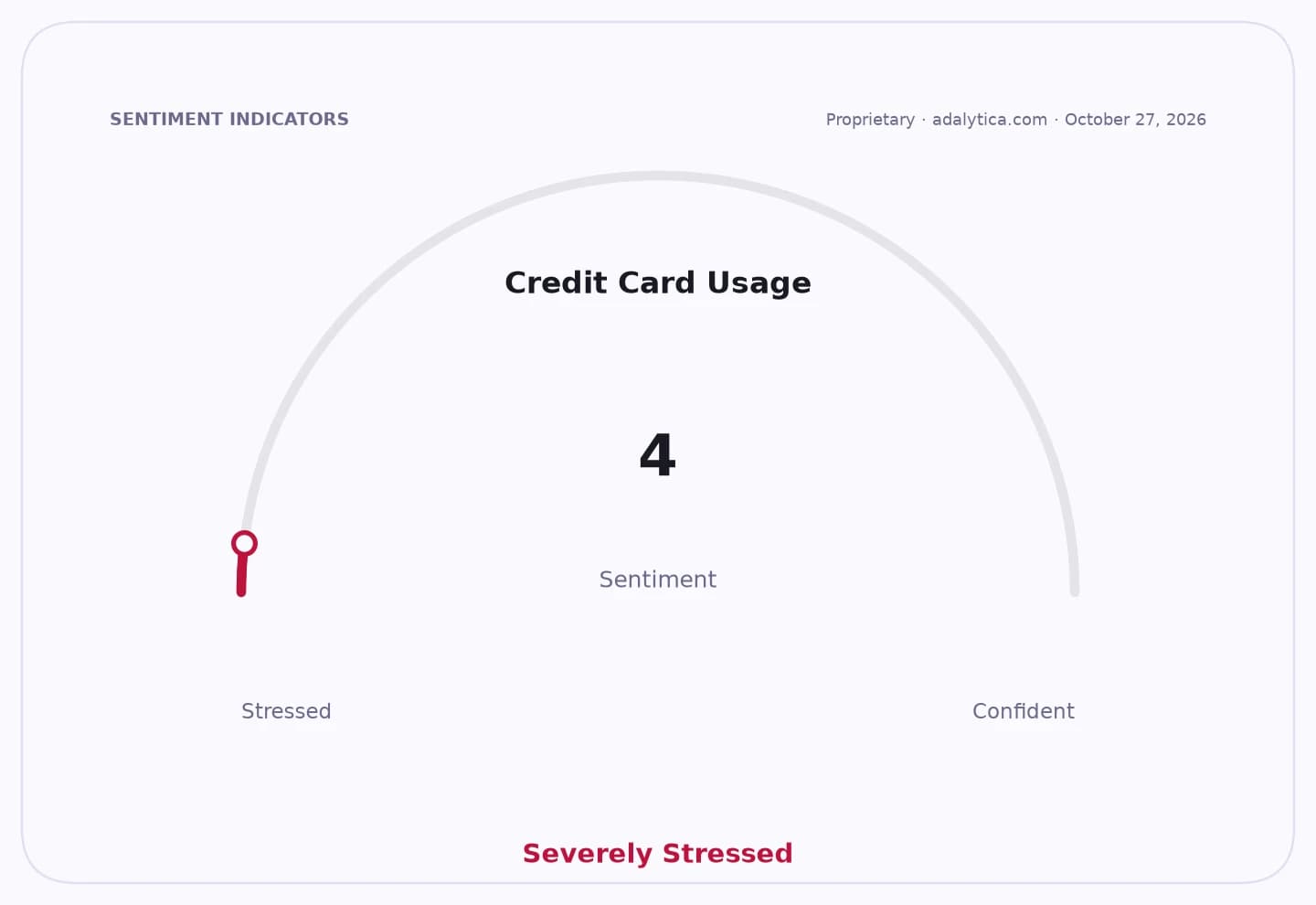
Sentiment Indicators
The bigger picture is not as weak as the monthly figures suggest. Retail sales volumes rose 0.7% in the third quarter from the previous three months, helped by motor fuel and food and drink sales, with the ONS saying fuel sales had returned to levels last seen before the conflict in the Middle East. Even so, the September miss points to fragile consumer demand heading into the final quarter, when retailers typically rely on colder weather and early holiday spending to support sales.
For investors, the report matters because UK retailers are still navigating thin margins, uneven footfall and a consumer base that remains sensitive to price and weather swings. A softer September is a warning sign for chains exposed to clothing and discretionary categories, while food and fuel-led sales gains offer less support for higher-margin retailers.
The data also leaves the Bank of England with little reason to treat consumer spending as a source of overheating, even as inflation in some goods and services remains sticky. The next key test for the sector will be whether colder weather and holiday demand can reverse the September weakness, or whether the third-quarter rebound proves temporary.
| Entity | Gains | Losses |
|---|---|---|
| Food and fuel retailers | ▲Higher quarterly sales | ▼Cooler demand for general goods |
| Clothing retailers | ▲— | ▼Warm-weather drag on seasonal demand |
| UK consumers | ▲More spending power from softer demand | ▼Limited relief from cautious spending |
| Bank of England | ▲No sign of retail overheating | ▼Evidence of fragile consumption |