New York City’s housing market is becoming even harder to enter just as mortgage rates have pushed back above 7%, leaving first-time buyers squeezed by high prices, scarce listings and a borrowing cost that is once again rising instead of easing.
New York Housing Market Becomes Harder to Buy
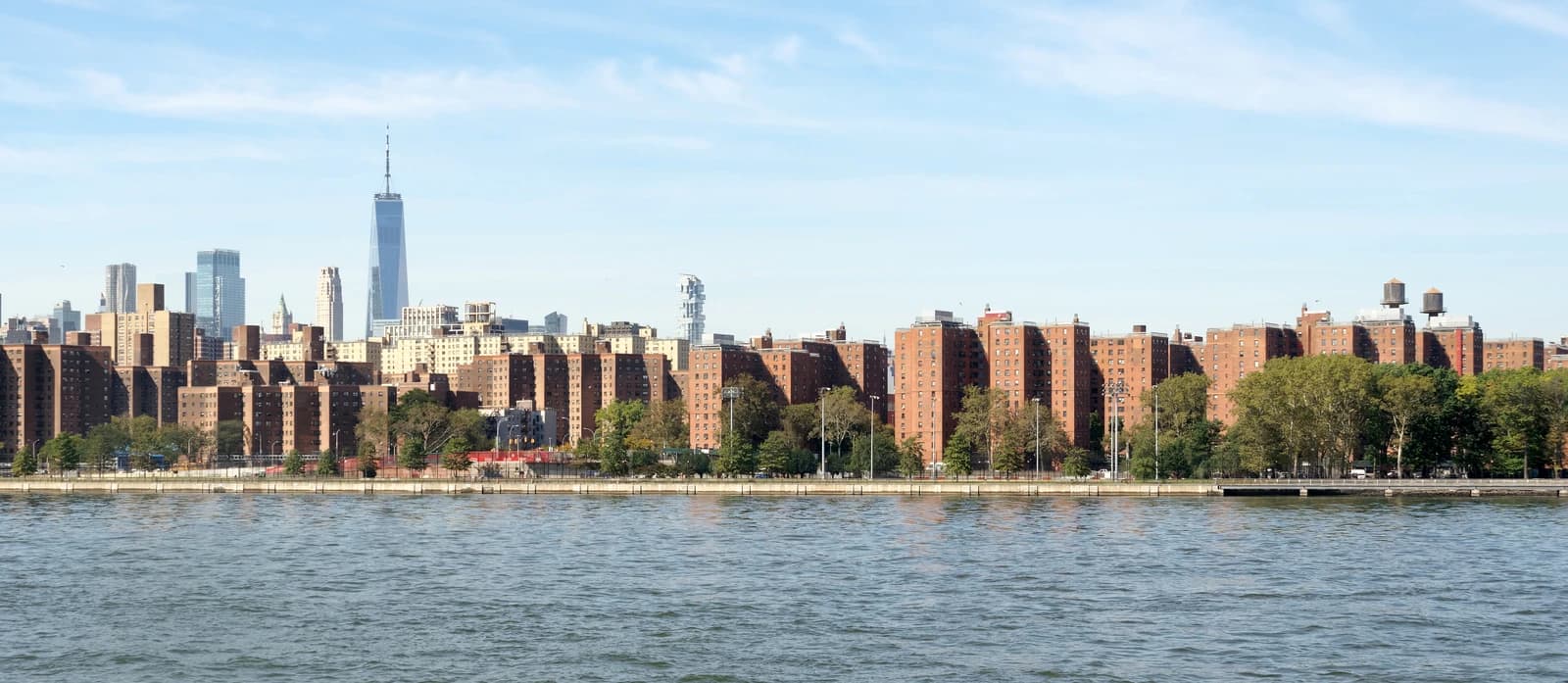
That matters because New York was already one of the least affordable major metros in the US for households trying to buy their first home. Fresh research from Achieve puts the New York metropolitan area as the fifth-hardest market in the country for first-time buyers. An entry-level home in the region costs about $489,359, while the median household income is $99,155. On Achieve’s math, a household would need to earn $114,380 a year to comfortably afford that home with a 10% down payment and monthly housing costs capped at 30% of gross income.
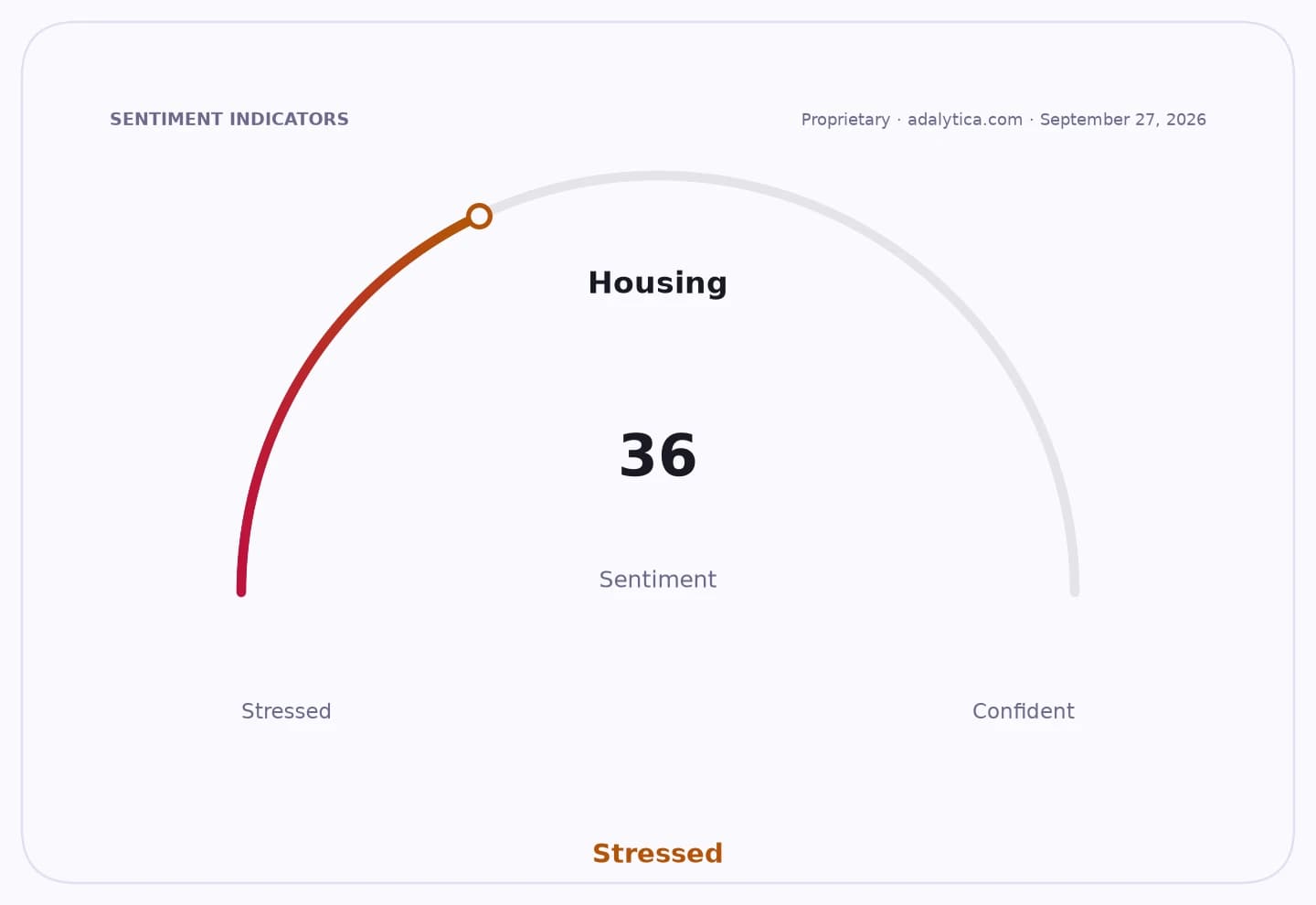
Sentiment IndicatorsⓘProprietary · adalytica.com · October 1, 2026
This is a snapshot — live sentiment, awareness and momentum for 130+ markets update continuously in the dashboard.Open AlphaPulse

The affordability gap is widening because borrowing costs are moving the wrong way. The average 30-year fixed mortgage has climbed back above 7%, a level that materially cuts the amount buyers can finance even before taxes, maintenance charges, insurance and closing costs are added. In New York, those extra carrying costs can be decisive. For many buyers, the monthly payment is no longer just a mortgage payment but a bundle of fixed expenses that quickly pushes the total well beyond what first-time households can handle.
The deeper problem is that rates are not producing the normal market correction. In a typical slowdown, higher borrowing costs would suppress sales, build inventory and cool prices. Instead, New York prices have stayed resilient because supply remains too limited to force meaningful discounting. Jonathan Miller of StreetMatrix said the shortage of homes for sale is more powerful than the mortgage rate itself in shaping affordability, because owners locked into 2.75% loans have little incentive to sell and refinance into a 7%-plus mortgage. That lock-in effect keeps inventory tight and prevents the price relief that would normally follow a jump in rates.
DGS10 vs FEDFUNDS — macro contextadalytica.com
Explore this data interactively — full history, time series and cross-market comparisons.Open AlphaPulse
The result is a split market. Buyers with cash or equity from a prior sale are still transacting, especially at the top end of Manhattan, where Miller said the upper half of the market is holding up better than the lower half. Buyers who depend on financing are getting hit hardest. Douglas Elliman’s Jessica Peters said the most rate-sensitive households — especially first-time buyers — are the ones feeling every move in mortgage costs, while wealthier buyers have more room to adjust by making larger down payments or shifting neighborhoods.
For investors, the story reinforces a broader housing-market pattern that benefits cash-rich buyers and punishes rate-sensitive demand. It also argues against assuming that a future decline in mortgage rates will automatically restore affordability. Peters said lower borrowing costs would help monthly payments, but if they unleash more demand into a market with too few homes, prices could firm up again. That means true affordability relief would require both cheaper financing and more supply, not just a rate cut.
The pressure is not confined to the sales market. Miller said higher mortgage rates also keep renters in place longer, tightening apartment availability and lifting rents in an already expensive city. That widens the drag on housing mobility, making it harder for families to trade up when their needs change and helping explain why Manhattan and the broader metro remain so constrained.
The bull case is that any sustained easing in rates could unlock pent-up demand, especially among buyers sitting on the sidelines. The bear case is that affordability will remain structurally broken as long as rates stay elevated and inventory stays scarce, leaving New York’s entry-level market inaccessible for many households and preserving a two-tier market where cash buyers and existing owners retain the advantage.
| Entity | Gains | Losses |
|---|---|---|
| Cash buyers | ▲More negotiating power | ▼None from financing costs |
| First-time buyers | ▲Potential future rate relief | ▼Higher monthly costs |
| Existing homeowners | ▲Benefit from low-rate lock-in | ▼Less move-up liquidity |
| Renters | ▲More time to save | ▼Higher rental pressure |