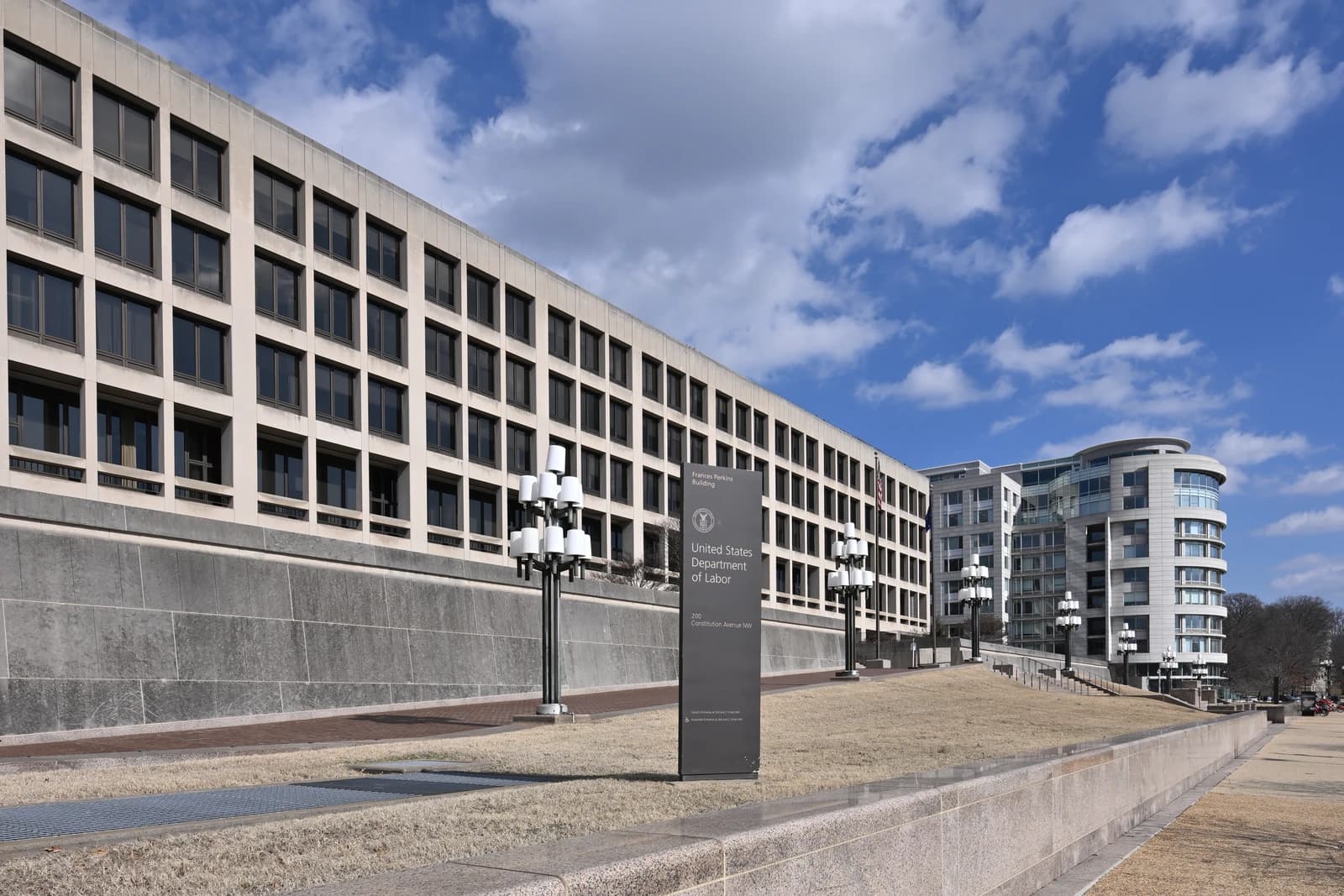
New York state labor officials have quietly removed more than 22,000 protested unemployment insurance claims from review, a move that could speed benefit determinations but also raises questions about how accurately the system is handling workers and employers at a time when the labor market is still cooling from post-pandemic extremes.
New York Drops 22,000 Unemployment Claims Protests
The bulk dismissal matters because unemployment insurance is both an economic stabilizer and a political fault line. If employers’ protests are being set aside without case-by-case review, workers can lose benefits they may have been entitled to, while companies may be left with less recourse over claims they believed were improperly filed. That creates a risk of distortion in a system that feeds directly into household cash flow, small-business payroll costs and the broader read on labor-market stress.
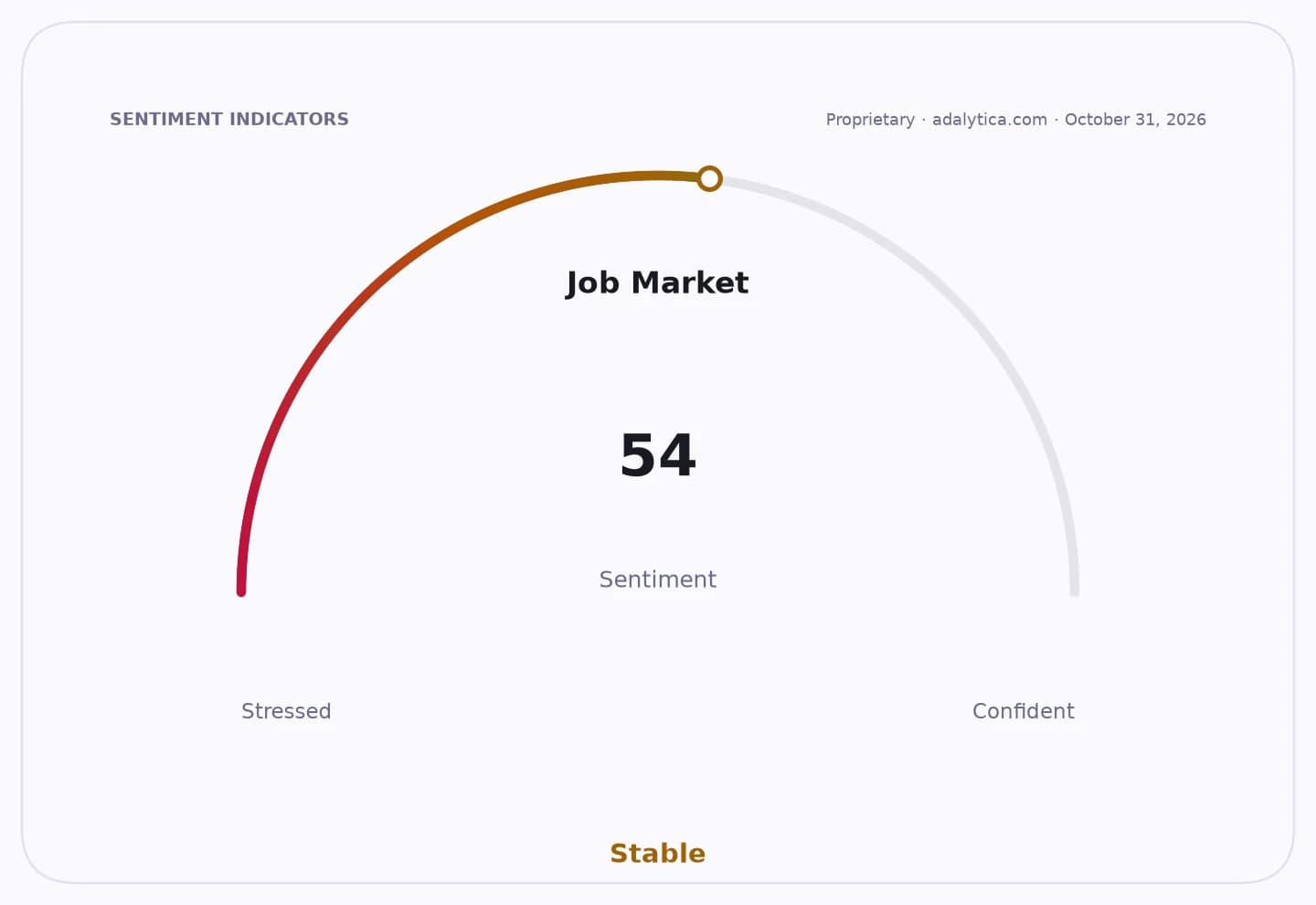
Sentiment Indicators
The timing is sensitive. Initial jobless claims have fallen to 194,000, the lowest since mid-July and close to a multi-decade low, pointing to a labor market that remains resilient even as hiring has cooled from earlier highs. At the same time, continuing claims and broader employment data suggest the labor market is not as tight as it was a year ago, making accurate administration of benefits more important for both policy makers and investors trying to gauge the true health of jobs growth.
For investors, the immediate market impact is limited, but the issue is not trivial. Payroll processors and labor-linked service providers such as ADP and Paychex depend on stable unemployment and wage administration systems, while employers want predictability around claims disputes and tax experience ratings. If state agencies are overwhelmed or changing review standards, it can add noise to employment data and complicate readings on labor-market momentum, consumer income stability and small-business labor costs.
The story also highlights a broader post-pandemic shift: labor departments are still working through backlogs, eligibility disputes and changing state-level rules that were exposed by the surge in claims during the COVID-19 shock. In New York, the decision to bulk drop protests suggests administrative pressure to clear inventories, but it also risks undermining confidence in the integrity of the process if parties believe claims are being brushed aside rather than adjudicated.
What matters next is whether the state reverses course, audits the dropped cases or provides a clearer explanation for the review standards. If the episode proves to be an administrative cleanup, the macro impact will be limited. If it reflects a wider breakdown in unemployment-insurance processing, it could feed into legal challenges, political scrutiny and a less reliable picture of the labor market just as investors are watching for signs that job growth is slowing without breaking.
| Entity | Gains | Losses |
|---|---|---|
| New York Labor Department | ▲clears backlog faster | ▼credibility on due process |
| Workers seeking benefits | ▲faster system response | ▼risk of missed or denied claims |
| Employers contesting claims | ▲lower administrative friction | ▼weaker protest recourse |
| Payroll firms and investors | ▲simpler near-term processing | ▼noisier labor-market signals |