New Zealand is clearing a regulatory hurdle that has held back underground gas storage investment, a move that could unlock badly needed flexibility in a power system increasingly exposed to winter demand spikes, dry-year shortages and volatile fuel supply.
New Zealand Cuts Royalty Hurdle for Gas Storage

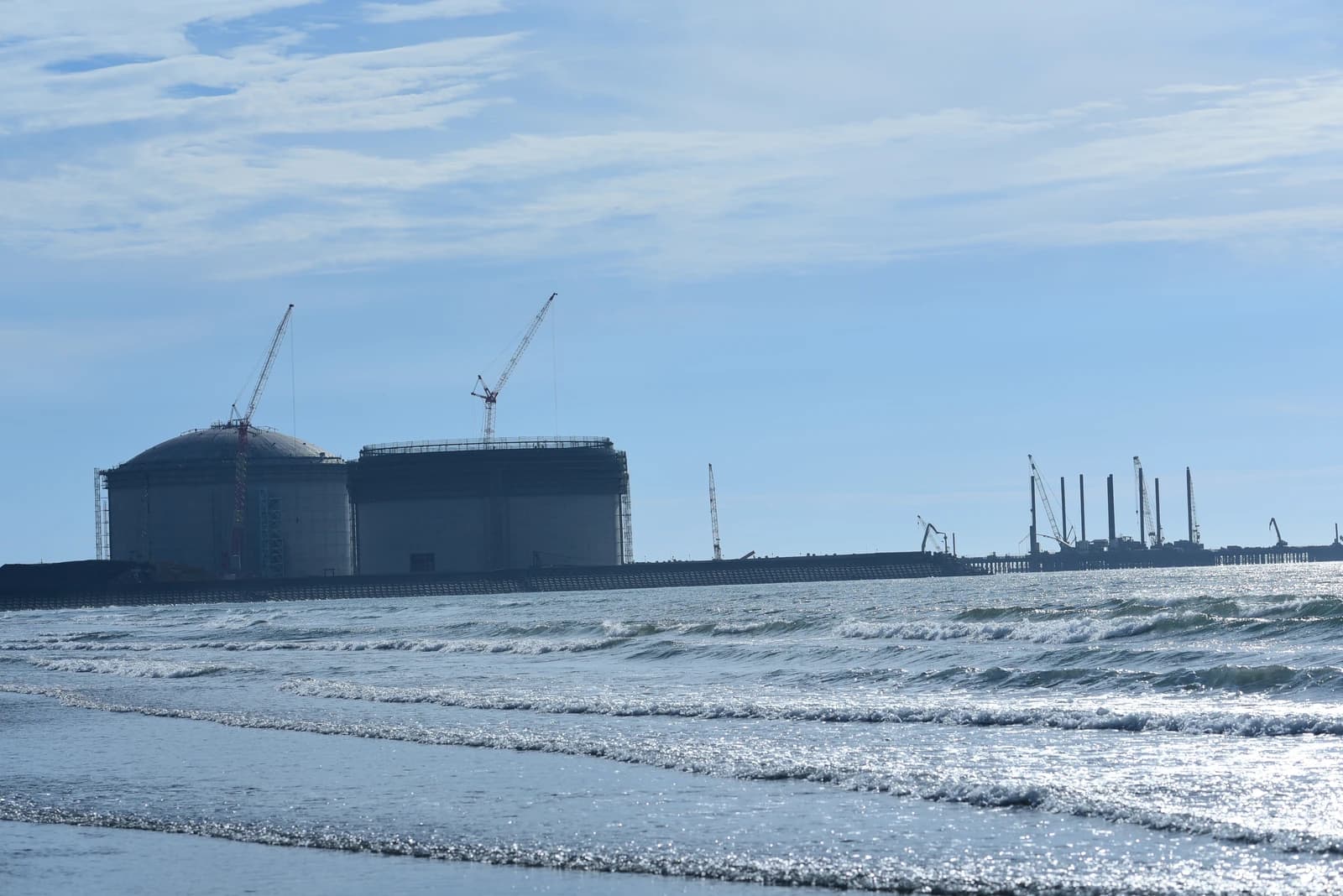
The government will stop requiring developers to pay royalties on “cushion gas” — the base volume needed to keep storage reservoirs pressurized and functioning — after arguing the charge was an unnecessary barrier to capital. That matters because storage is not just a convenience for the gas industry; it is a resilience asset for the wider economy, helping prevent factory shutdowns, electricity shortages and price spikes when hydro generation falters or winter demand surges.
Sentiment IndicatorsⓘProprietary · adalytica.com · September 9, 2026
This is a snapshot — live sentiment, awareness and momentum for 130+ markets update continuously in the dashboard.Open AlphaPulse

Resources Minister Shane Jones said the change is designed to make underground gas storage easier to finance and build, with an independent expert to determine how much gas qualifies as cushion gas and therefore falls outside royalty rules. Any gas above that threshold will still be taxed under existing requirements. The policy is a pragmatic attempt to turn a theoretical infrastructure idea into a bankable project, and in a market where energy security has become a macro issue rather than a utility-side footnote, that is exactly the kind of reform investors should watch.
The timing is important. Methanex’s decision to idle operations next year will free up gas for other users in the short term, but it does not solve New Zealand’s structural vulnerability to supply tightness. Gas remains a critical backup fuel for electricity generation and industrial users, and the country’s economy is still exposed to the same old problem: demand can rise sharply just when supply is least flexible. Storage is the missing toll road in that system, and removing the royalty burden on cushion gas lowers the cost of entry for the developers who would build it.

This also fits a broader global pattern. From Europe’s winter storage anxiety to New Zealand’s dry-year power risk, governments are rediscovering that energy security depends on infrastructure with optionality — storage, pipelines, and dispatchable backup — not just on headline supply volumes. When policy reduces friction for those assets, capital tends to follow.
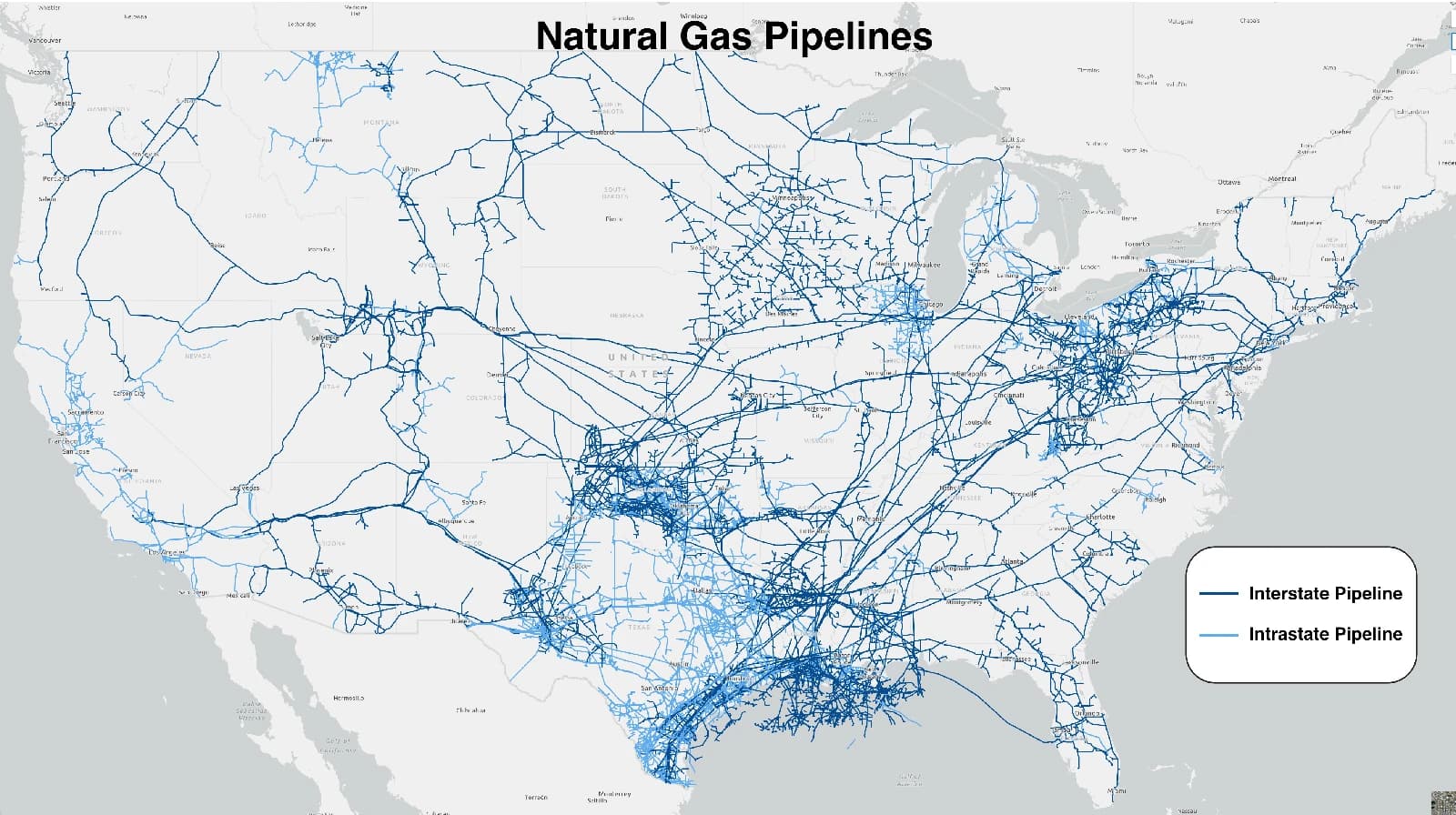
For investors, the implication is straightforward: this is constructive for gas infrastructure, midstream developers and any company tied to long-duration energy resilience themes. In the U.S., names such as Williams, Kinder Morgan and ONEOK sit closer to the kind of cash-generating infrastructure model that benefits when storage and transport become strategic priorities. The market often prices these businesses as slow-growth yield vehicles, but policy shifts like this remind us they are really fee-based, capacity-constrained assets with embedded inflation protection and geopolitical optionality.
The next catalyst is whether New Zealand’s regulatory review actually produces a project pipeline. If it does, this could become a template for other energy-importing economies trying to harden their grids without sacrificing investment. For now, the message is clear: when energy systems get stressed, storage becomes essential infrastructure — and investors who position early in the picks-and-shovels behind that buildout are likely to be rewarded.
| Entity | Gains | Losses |
|---|---|---|
| Gas storage developers | ▲Lower royalty burden | ▼Regulatory friction |
| New Zealand economy | ▲Better energy security | ▼Less exposure to shortages |
| Industrial gas users | ▲More reliable supply | ▼Higher risk of outages |
| Existing gas sellers | ▲Shorter-term demand support | ▼Less scarcity pricing leverage |