New Zealand inflation is expected to cool further in the September quarter, reinforcing the case for the Reserve Bank of New Zealand to keep shifting from restraint toward easing.
New Zealand Inflation Seen Slowing to 3.8%

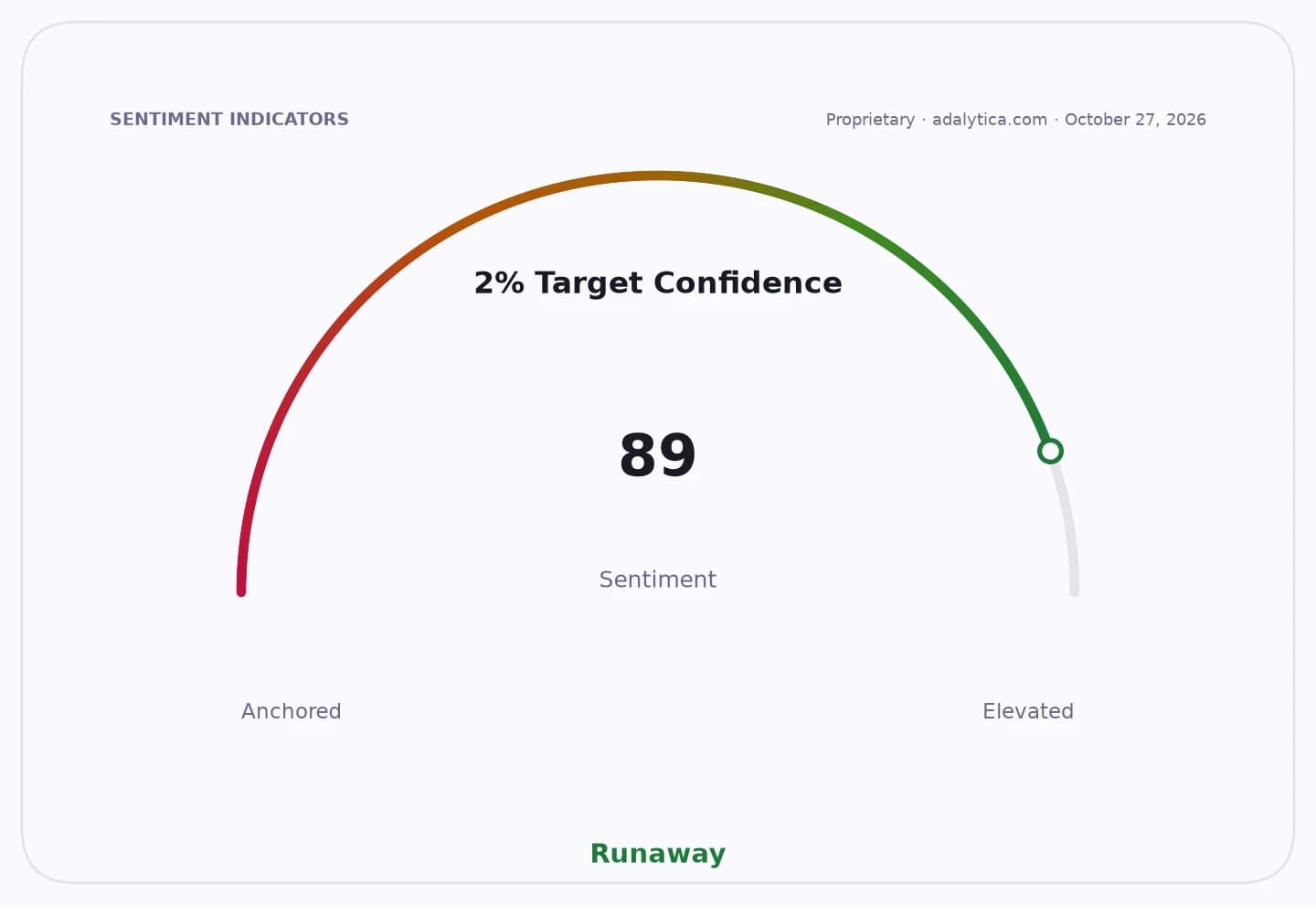
ANZ said annual consumer price inflation will probably slow to 3.8%, down from the prior reading and still above the central bank’s 1% to 3% target band. The bank’s call matters because it points to a gradual but meaningful disinflation trend rather than a fresh inflation shock, which would have forced markets to price a more hawkish RBNZ path.
Sentiment Indicators
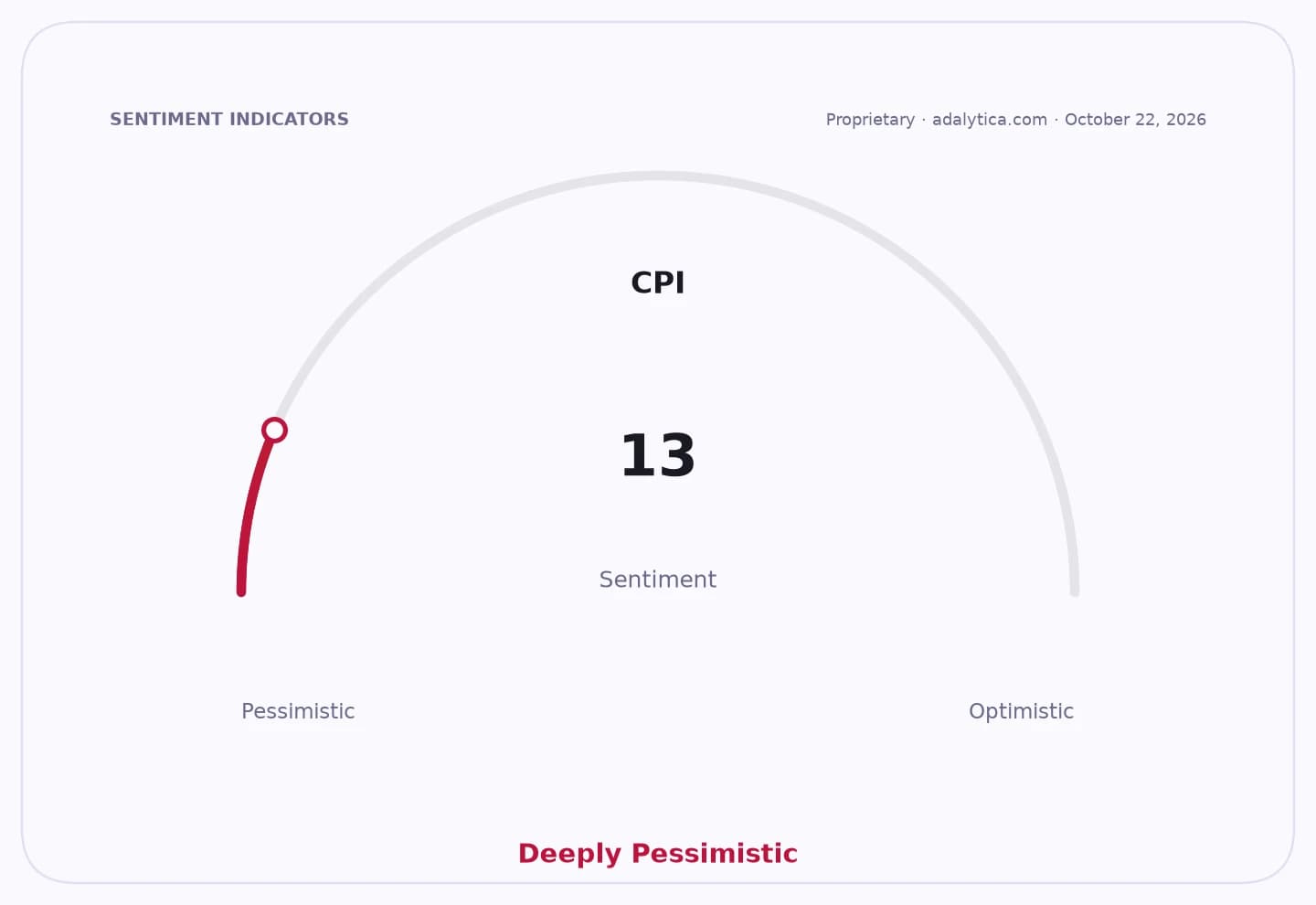
CPI
The expected easing comes as New Zealand’s economy remains sensitive to interest rates, housing costs and imported price pressures. Annual core measures are also seen moderating, with underlying inflation tracking lower than headline CPI, suggesting domestic demand is losing some momentum. That is the key signal for policymakers: while price growth remains too high to declare victory, the direction of travel is improving enough to reduce the risk that the RBNZ has to tighten again.
For investors, the inflation outlook is most important through the rates and currency channels. A softer CPI print would likely strengthen expectations for future rate cuts, putting pressure on New Zealand yields and supporting duration-sensitive assets. It also leaves the kiwi vulnerable if the RBNZ turns more confident that inflation is returning to target, particularly against the backdrop of a firmer US dollar and shifting global rate expectations.
The broader market narrative is one of divergence. In the US, inflation has surprised on the upside and pushed Treasury yields higher, while New Zealand appears to be moving in the opposite direction. That contrast matters for relative-value trades in currencies and bonds, and it helps explain why local inflation data can move beyond New Zealand’s own market, especially in a world where central banks are increasingly separating from one another.
The main risk is that services inflation and wage pressure prove sticky, slowing the pace of disinflation and delaying any policy relief. But if ANZ’s forecast is close, the September quarter would add to the argument that New Zealand inflation is fading in an orderly way, keeping the door open to easier monetary policy in 2027 and beyond.
| Entity | Gains | Losses |
|---|---|---|
| RBNZ | ▲More room to ease policy | ▼Less pressure to stay hawkish |
| New Zealand borrowers | ▲Lower-rate relief hopes | ▼Still-high mortgage costs for now |
| New Zealand bonds | ▲Yield support if cuts are priced | ▼Hawkish repricing if CPI surprises up |
| NZD | ▲Potential support from better growth hopes | ▼Softer yield outlook versus peers |