NextEra Energy’s profit beat on Friday underscores how the AI and cloud buildout is turning electricity demand into a more powerful earnings driver for regulated utilities and independent power producers.
NextEra Benefits From AI-Driven Power Demand
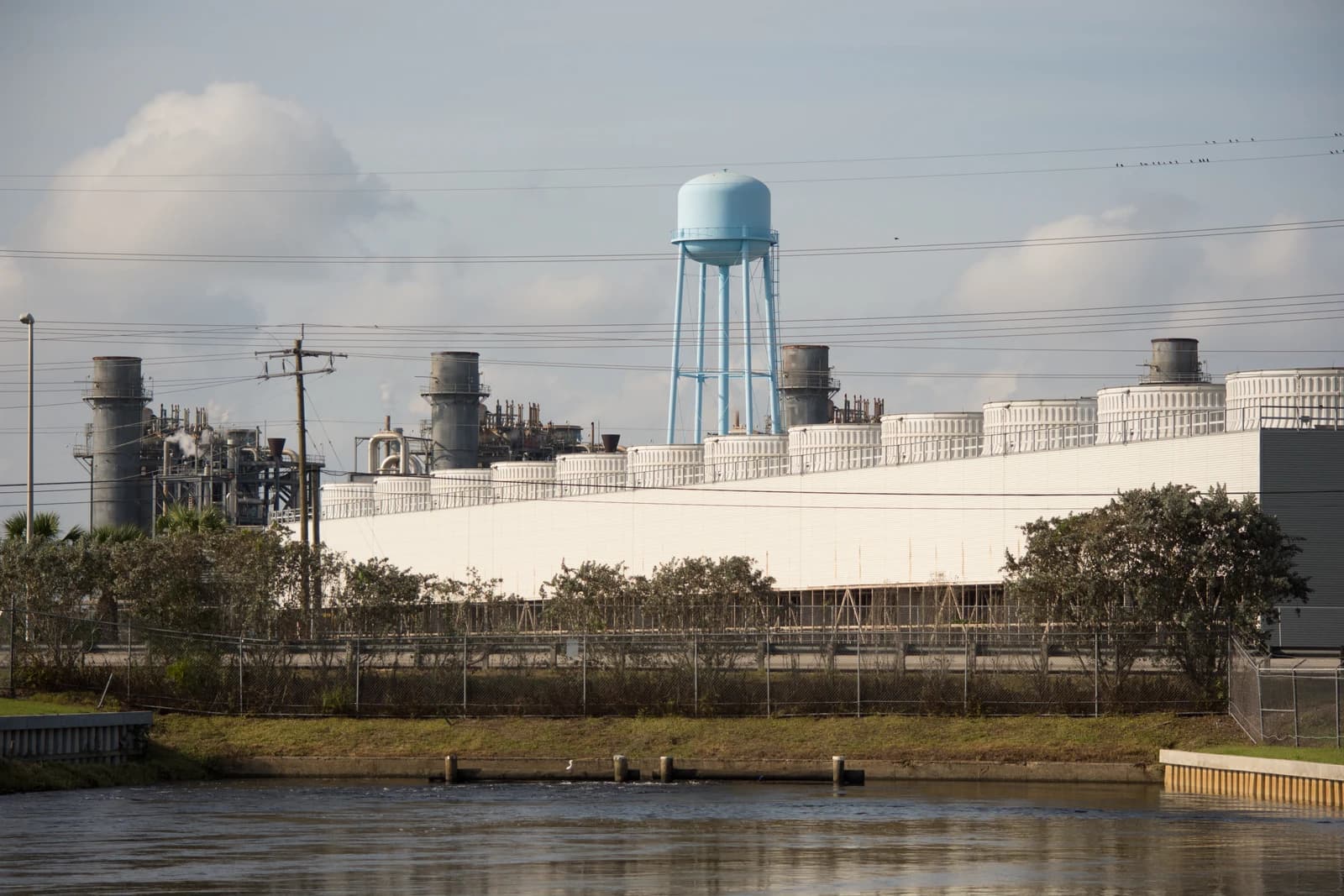
The company said second-quarter results topped estimates as demand tied to data centers lifted growth at its Florida Power & Light unit and reinforced the case for continued capital spending on generation and transmission. That matters because data centers are becoming one of the few large, durable sources of load growth in an otherwise mature U.S. utility market, giving companies with scale and development pipelines a way to grow earnings faster without relying solely on rate hikes.
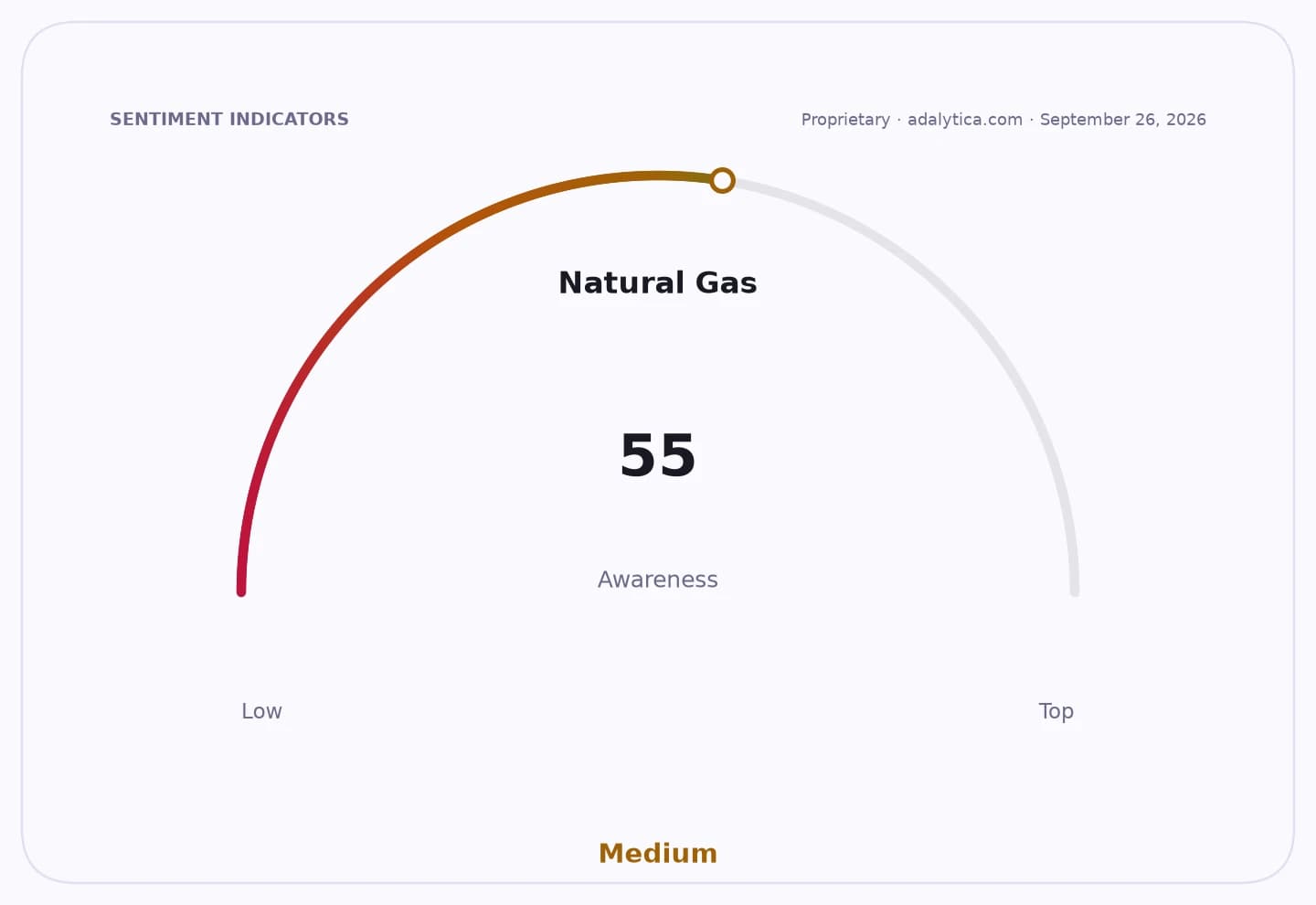
Sentiment IndicatorsⓘProprietary · adalytica.com · July 24, 2026
This is a snapshot — live sentiment, awareness and momentum for 130+ markets update continuously in the dashboard.Open AlphaPulse
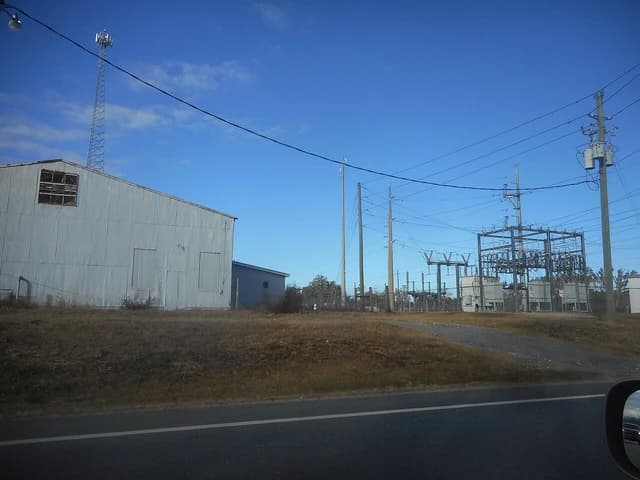
The stock’s response suggested investors were already leaning into that narrative. NextEra shares have been trading above both their 50-day and 200-day moving averages, with recent readings showing momentum holding positive and the relative strength index in the low 60s, a sign the shares are not yet overextended. The Utilities Select Sector SPDR Fund and the Vanguard Utilities ETF have also held firm, reflecting a broader bid for defensive yield names that can still participate in infrastructure-led growth.
Beneath the earnings beat is a more important economic shift: power demand is no longer being driven just by population growth or weather, but by digital infrastructure that can consume enormous amounts of electricity around the clock. Industrial production in the U.S. is still projected to grind higher, but the more immediate structural story for utilities is the rise in large-load customers that need firm capacity, faster grid connections and long-dated contracts. That creates a multi-year capital cycle for utilities and their suppliers, while also raising questions about how quickly grids can be expanded without pushing up costs for ordinary ratepayers.
That tension is already showing up in policy debates. State regulators and lawmakers are beginning to scrutinize how data centers are charged for power, and concerns are mounting that rapid load growth could lift consumer bills if utilities build too much infrastructure too fast or socialize costs too broadly. For companies such as NextEra, American Electric Power and Duke Energy, the bull case is clear: more load means more investment, stronger rate base growth and potentially better earnings visibility. The bear case is that permitting delays, interconnection bottlenecks and political pushback could slow project execution or cap returns.
For investors, the key question is not whether AI-related electricity demand is real, but which utilities can convert it into regulated earnings without overpaying for growth. NextEra’s scale, low-cost operating base and exposure to Florida’s population and commercial expansion make it a leading beneficiary. But the coming quarters will show whether the industry can keep up with the pace of demand, and whether the market continues to reward utilities as growth stocks rather than just income proxies.
| Entity | Gains | Losses |
|---|---|---|
| NextEra Energy | ▲Higher earnings growth | ▼Pressure to keep investing |
| Data center operators | ▲Faster grid access | ▼Higher power costs |
| Utilities with scale | ▲Rate base expansion | ▼Execution and regulatory risk |
| Ratepayers | ▲Better grid reliability | ▼Potential bill increases |