Nhood has launched its eLeaseLoop platform in Poland, turning short-term mall leasing into a faster, more transparent digital process at a time when landlords are under pressure to monetize space more efficiently and brands want lower-friction access to retail traffic.
Nhood launches eLeaseLoop in Poland
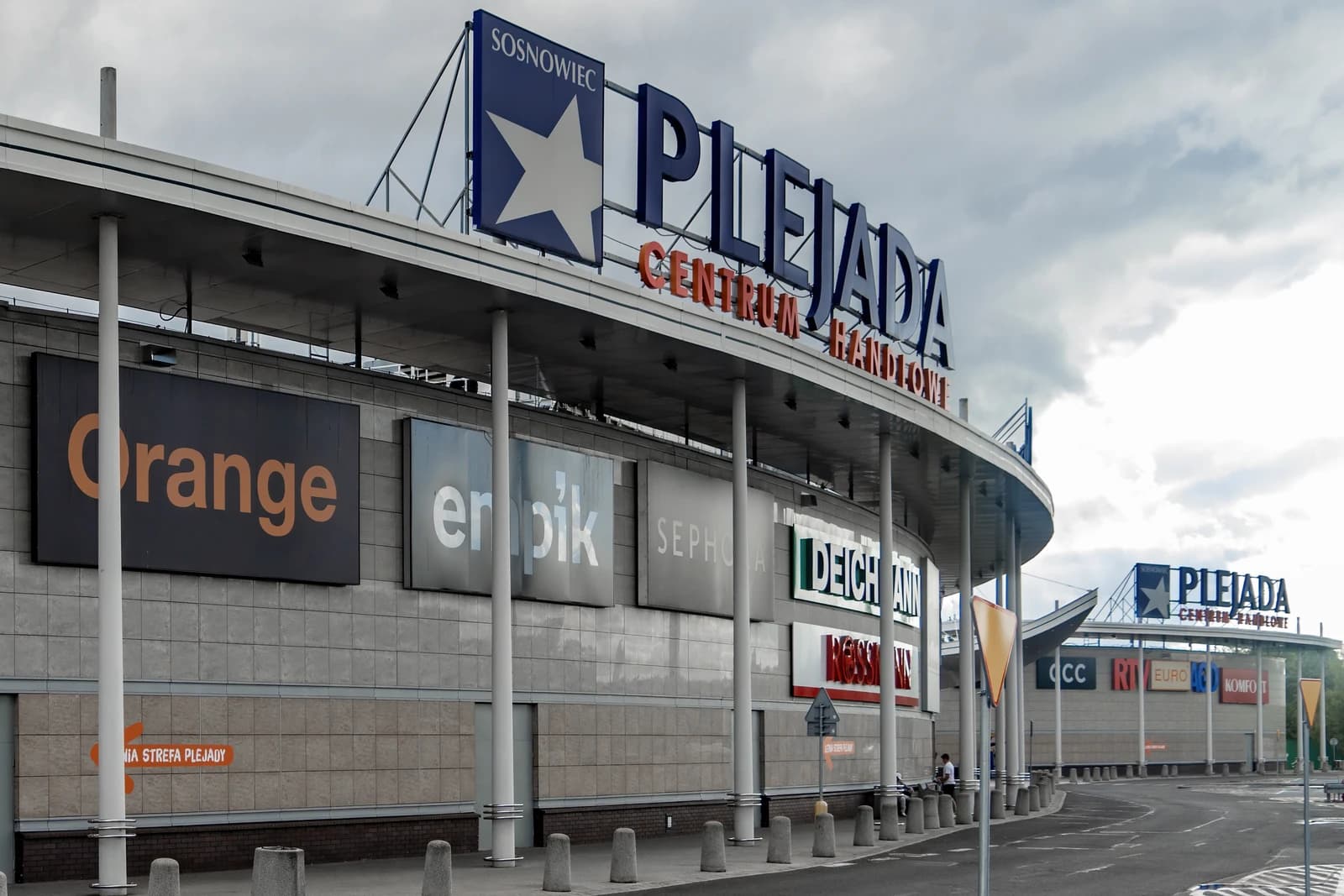
The rollout matters because short-term leasing, once a manual and relationship-driven side business, is becoming a repeatable operating model for shopping-center owners. By moving availability checks, applications, contract signing and payments into one system, Nhood is trying to cut vacancy time and transaction costs while giving retailers a quicker way to test markets, run pop-ups and activate promotions without committing to long leases.
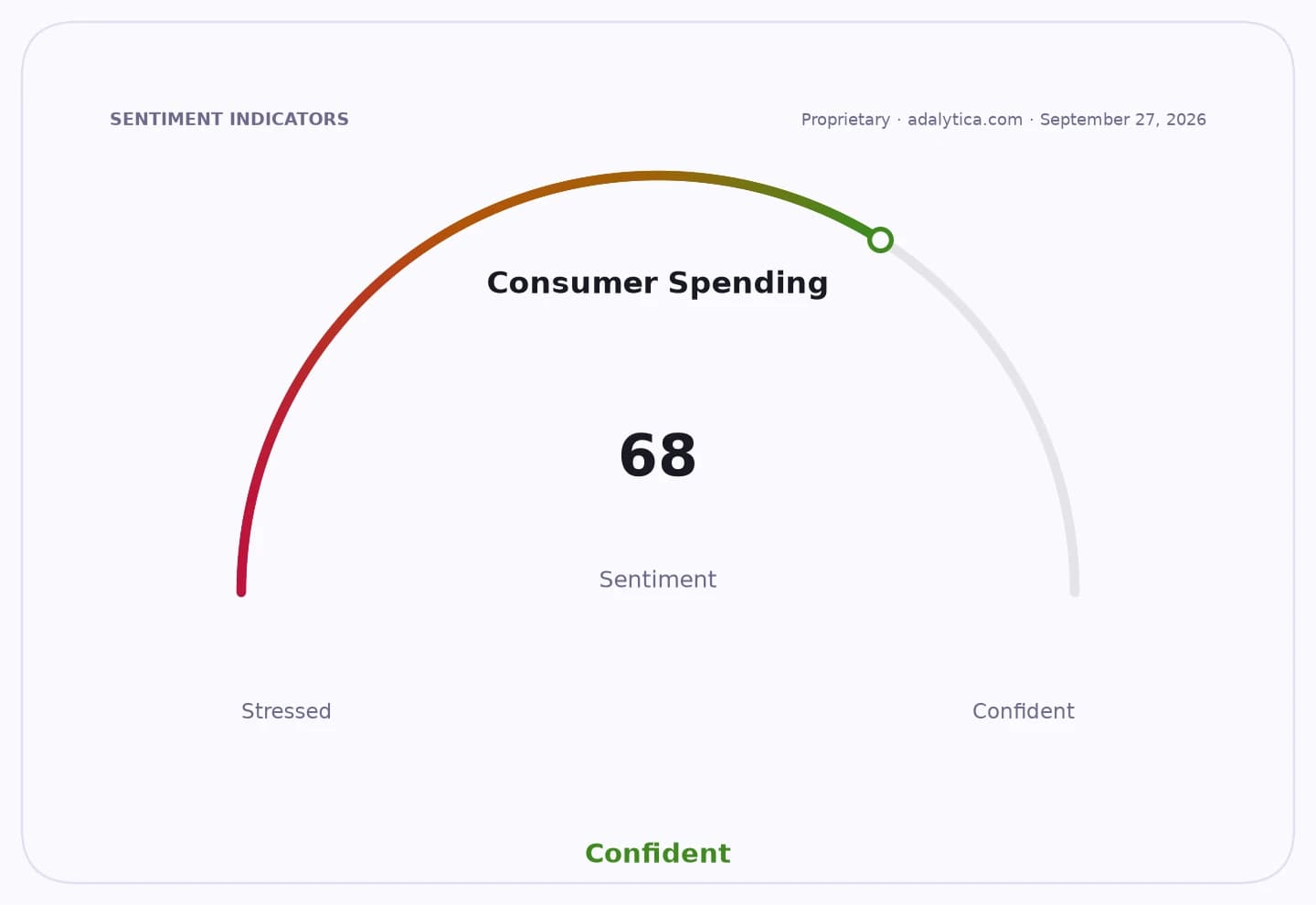
Sentiment IndicatorsⓘProprietary · adalytica.com · September 27, 2026
This is a snapshot — live sentiment, awareness and momentum for 130+ markets update continuously in the dashboard.Open AlphaPulse
In Poland, the platform is initially available across 16 shopping centers managed by Nhood for Ceetrus. The company said the tool has already facilitated more than 550 transactions and bookings worth over 3.5 million euros across markets where it has been operating. Nhood also said its artificial-intelligence module handled 81% of inquiries on its own in the first month, suggesting the economics of the product depend as much on operational efficiency as on leasing revenue itself.
That efficiency is important for landlords because shopping centers are competing not only with each other, but with e-commerce and changing consumer traffic patterns. Temporary tenants can fill gaps, diversify the tenant mix and drive footfall through promotions such as sampling or distribution of marketing materials. For brands, especially those entering a market, the platform lowers the barrier to trial and gives them a way to gain visibility in established retail hubs without the overhead of a full-scale store rollout.
The Polish launch also extends a broader European expansion strategy. Nhood said eLeaseLoop is already live in France, Spain and Italy, and its specialty leasing business spans seven countries, more than 3,000 active brands and over 2,500 managed temporary spaces. The company said it completed more than 8,000 specialty-leasing transactions in 2025, up 7% from a year earlier, indicating the format is scaling rather than remaining a niche experiment.
For investors, the story is less about a single software launch than about the monetization of retail real estate through technology. If the platform improves occupancy, shortens leasing cycles and lifts ancillary marketing revenue, it could support margins at a time when conventional mall leasing faces more pressure. The bull case is that digital specialty leasing becomes a sticky, fee-generating service layered on top of property management. The bear case is that adoption slows if shopping-center operators and brands prefer direct relationships or if transaction volumes prove too seasonal to move earnings meaningfully.
Nhood said it plans to roll out the platform across all countries where it operates by the end of 2026. That makes Poland both a commercial test and a template: if eLeaseLoop can standardize short-term leasing across multiple markets, it could reshape a small but profitable corner of retail real estate.
| Entity | Gains | Losses |
|---|---|---|
| Nhood | ▲Faster leasing, fee growth | ▼Manual processing costs |
| Shopping center owners | ▲Higher occupancy, quicker bookings | ▼Empty-space drag |
| Brands entering Poland | ▲Easier market entry | ▼Slow traditional leasing |
| Competing brokers | ▲Less friction for deals | ▼Disintermediated transactions |