Nigeria’s House of Representatives is pushing the Federal Capital Development Authority to stop issuing blanket title documents to housing estates and instead grant certificates of occupancy directly to individual homeowners, a move that could reshape property rights in Abuja and ease a longstanding drag on housing finance.
Nigeria House Pushes Individual Abuja Property Titles

The lawmakers’ intervention goes to the heart of who can legally prove ownership, pledge property as collateral and transfer homes without dispute. In a market where title uncertainty can freeze transactions and keep lenders on the sidelines, individualized certificates would strengthen the legal standing of homeowners and could improve liquidity in the capital’s residential market.
According to the House, the FCDA has refused to issue certificates of occupancy to many subscribers, issuing one common certificate in favour of estates instead. That practice may simplify administration for the authority, but it leaves buyers exposed to weaker documentation and, in some cases, dependent on estate promoters to resolve ownership issues. For banks and mortgage providers, that raises underwriting risk and can limit credit availability.
The policy debate matters beyond Abuja. Clearer title registration is one of the biggest structural supports for housing investment in emerging markets, because it turns property from a possession into a financeable asset. If lawmakers force a change, the benefits would likely accrue to homeowners, lenders and developers that sell into a market hungry for formalized ownership. The losers would be developers and officials who have benefited from centralized control over title issuance.
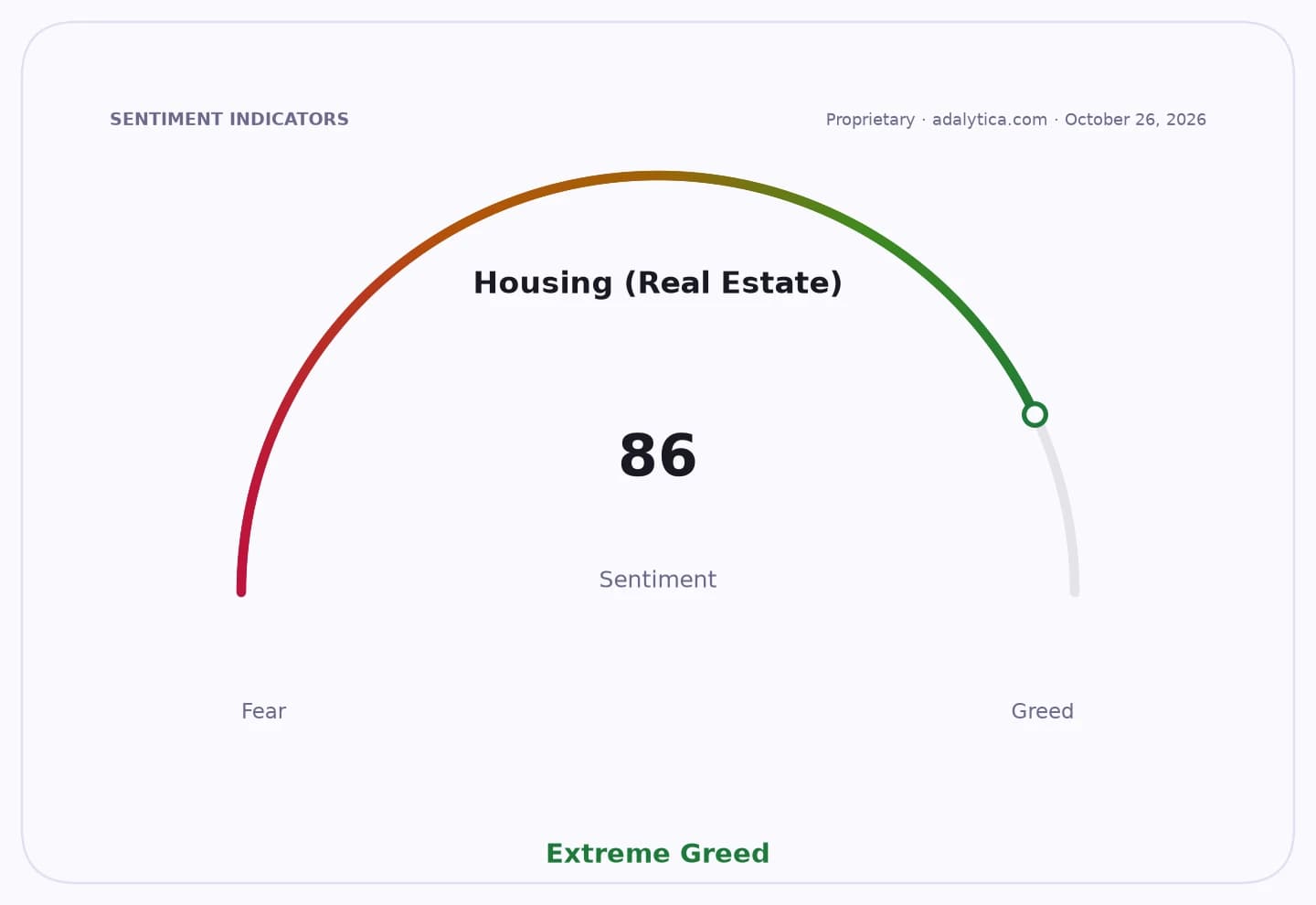
The timing also matters for sentiment in the broader housing sector, which remains sensitive to regulation, documentation and the cost of capital. A more transparent title regime could support demand, raise transaction volumes and make residential property more bankable over time, though implementation risk remains high if the FCDA resists or the process becomes bogged down in bureaucracy.
For investors and market participants, the key question is whether the move becomes a one-off parliamentary complaint or a durable reform that unlocks better property rights. If the House follows through, it could mark an important step toward a more functional housing market in Abuja, with implications for mortgage growth, developer sales and long-term asset values.
| Entity | Gains | Losses |
|---|---|---|
| Homeowners | ▲Stronger title rights | ▼Less administrative ambiguity |
| Banks and mortgage lenders | ▲Better collateral quality | ▼Lower documentation risk premium |
| Housing developers | ▲Easier unit sales | ▼Less control over title process |
| FCDA / estate administrators | ▲Greater compliance burden | ▼Loss of title gatekeeping |