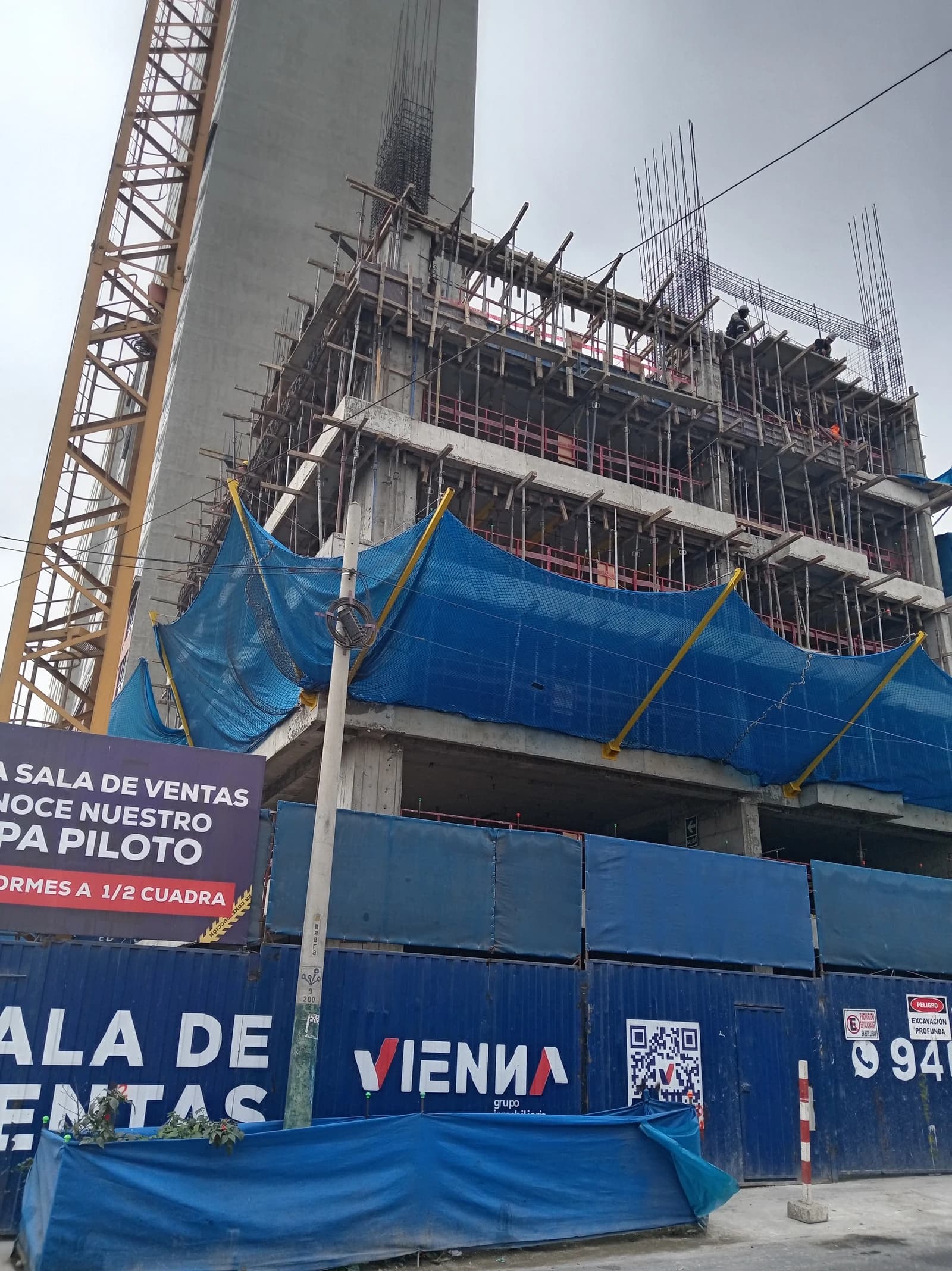
Gilesta Group is moving beyond general contracting into housing development, a step that could reshape its earnings mix and give the Lithuanian builder a larger claim on one of the region’s tightest property markets.
Gilesta Group enters housing development in Lithuania
The group’s new development arm, Gilea, plans to bring more than 1,200 homes to market a year across two residential projects in Vilnius and one leisure-home project in Palanga, with total sales revenue from the pipeline estimated at about 150 million euros. For investors, the significance is not the headline unit count alone, but the shift from lower-margin contract work to a model with more control over land, design, pricing and timing — and potentially higher returns if execution holds up.
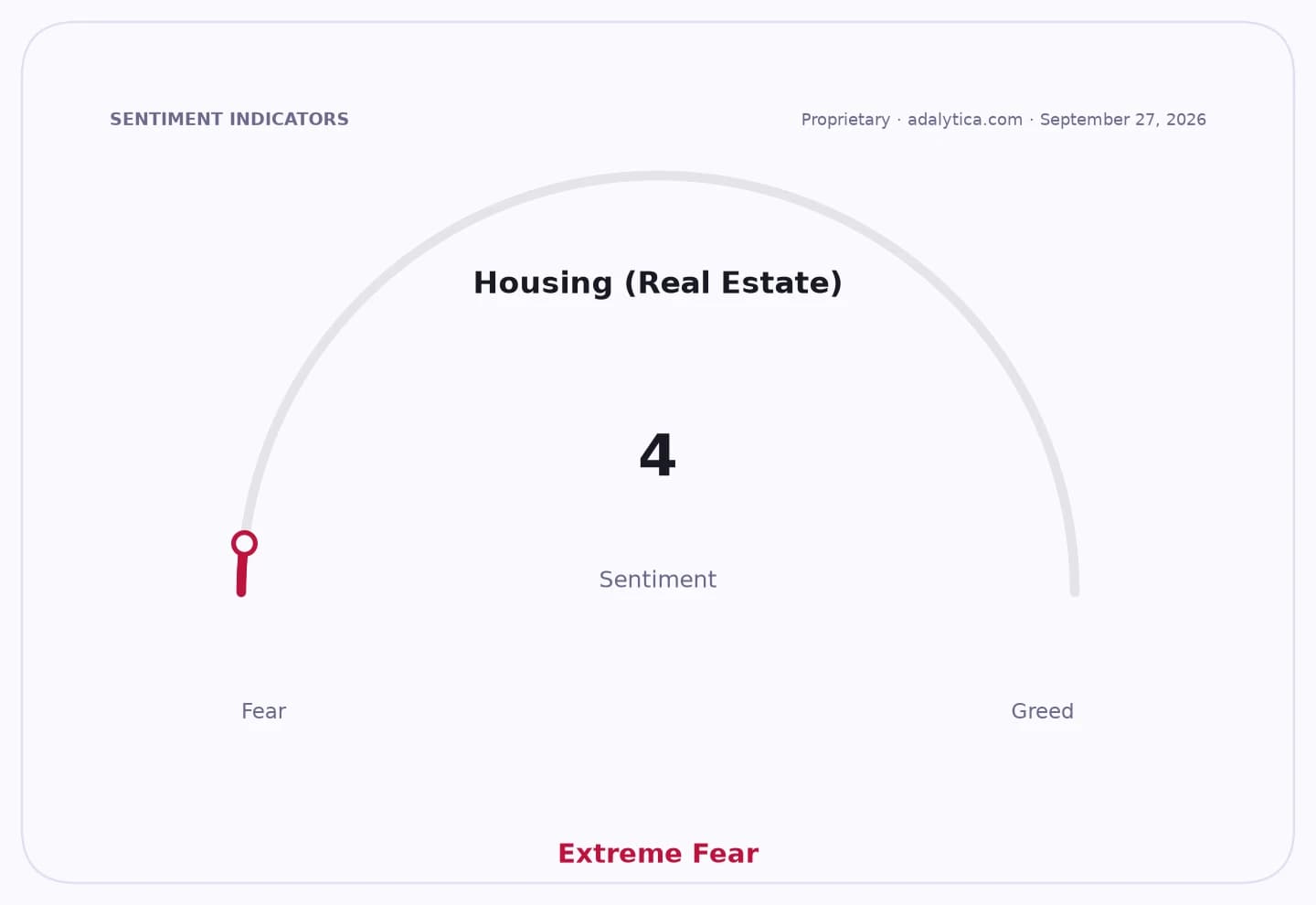
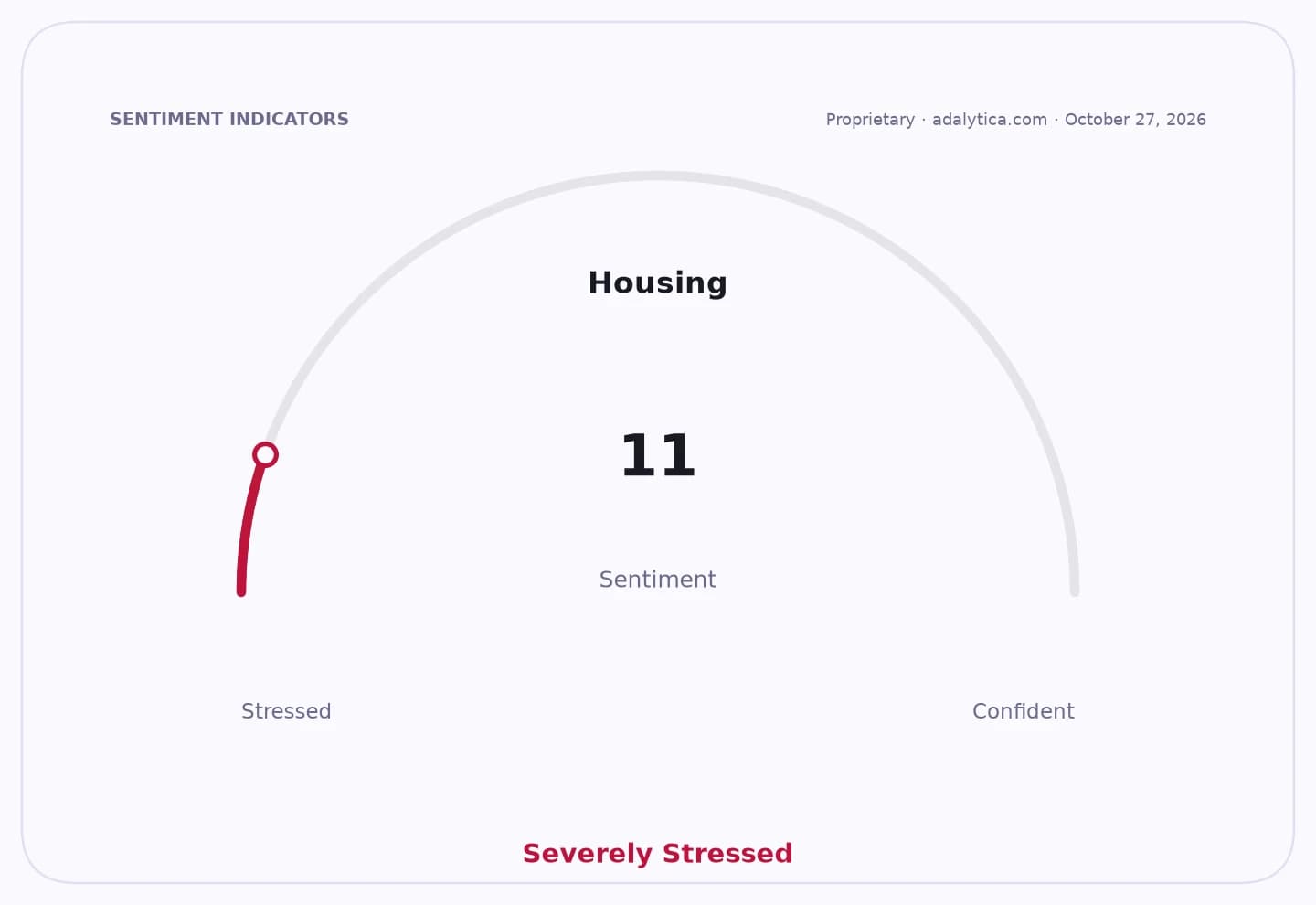
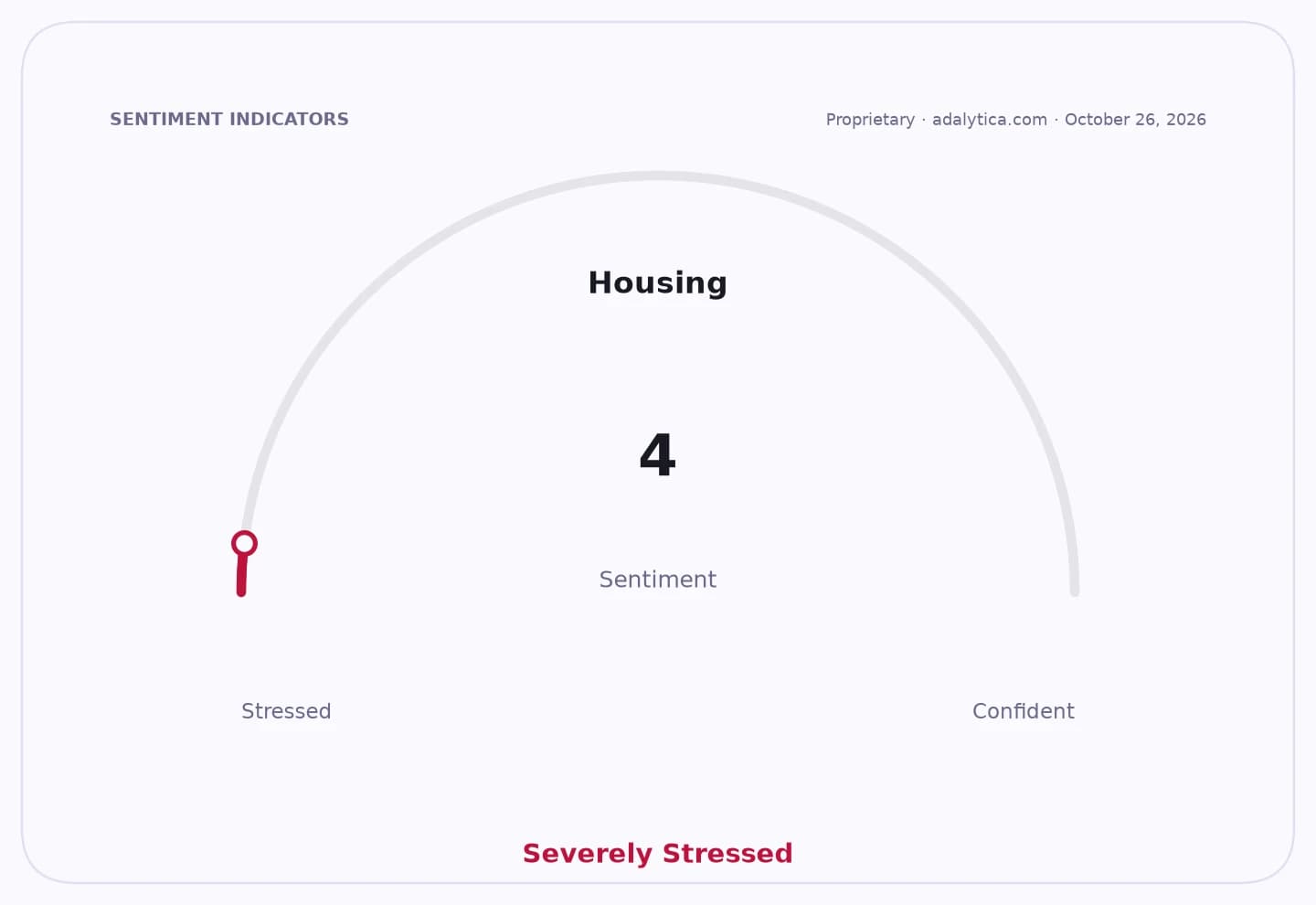
Sentiment Indicators
Management framed the move as a natural extension of Gilesta’s 15 years in construction, arguing that the company’s balance sheet strength, digital planning tools and project-management experience should reduce development risk. That matters because residential developers are being asked to navigate a market where demand remains structural, but affordability and financing conditions can quickly determine absorption rates. In Lithuania, as in much of Europe, the winners are increasingly those who can secure land, manage costs and deliver product tailored to distinct buyer segments.
Gilea’s first project, Miško Rivjera, is already under way in Bareikiškės, near Vilnius, on a 12-hectare site by a mature forest. The first phase includes 25 semi-detached houses, with 59 homes planned across three stages. Sales are due to start in October. The company is pitching the project as a low-density, amenity-rich enclave with an asphalted, lit access road and features including a heated outdoor pool, sauna, padel courts, a basketball court and walking paths.
That positioning suggests Gilesta is targeting buyers who are less price-sensitive than first-time homebuyers and more focused on quality, privacy and lifestyle — a segment that has generally held up better through housing-cycle volatility. The Palanga project, aimed at second-home buyers, also diversifies the group’s exposure beyond Vilnius, where competition among developers is likely to be stronger and supply additions easier to track.
The move also broadens Gilesta Group’s exposure to a sector that tends to be more cyclical and capital intensive than general contracting. The appeal for shareholders is clear: development can lift margins, increase asset value and create recurring pipeline optionality. The downside is equally clear: it increases exposure to land acquisition risk, permitting delays, construction inflation and slower-than-expected pre-sales. If the company overreaches, development can be far more volatile than contracting income.
Still, Gilesta is not starting from zero. Its construction arm generated 92.5 million euros in sales last year, nearly doubling year on year and remaining the largest business in the group. That gives the company both operating scale and an in-house delivery platform, a combination that should help it control costs and shorten the feedback loop between design and execution.
For the housing market, the entry of a well-capitalized contractor into development is another sign that private builders still see room to add supply despite a tougher environment for financing and affordability. For investors, the key question is whether Gilea can convert its construction track record into a stable development franchise — or whether the leap into the more profitable end of real estate also brings the sharper swings that usually come with it.
| Entity | Gains | Losses |
|---|---|---|
| Gilesta Group / Gilea | ▲Higher-margin development exposure | ▼Greater execution risk |
| Lithuanian homebuyers | ▲More housing supply | ▼Possible price pressure on sellers |
| Existing developers | ▲Stronger local competition | ▼Share of premium buyers |
| Gilesta contracting arm | ▲Pipeline diversification | ▼Capital tied up in property projects |