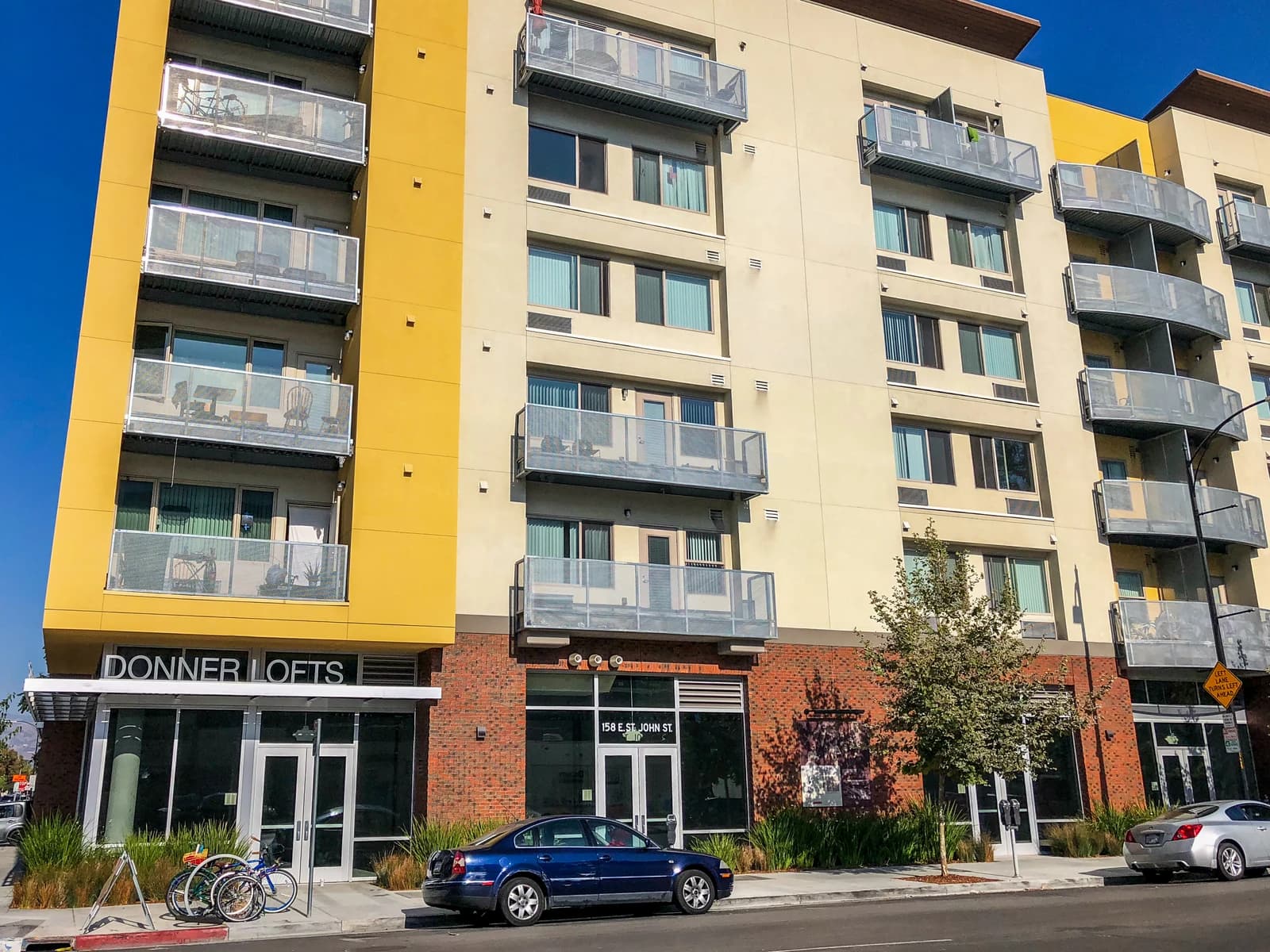
Oahu’s housing market is feeling the clearest effects yet of elevated borrowing costs, with condominium sales trailing single-family homes and inventory for condos running at more than twice the level of houses.
Oahu Housing Market Condo Sales Lag Single-Family

The imbalance matters because Hawaii’s market is already structurally tight, with limited land supply and chronically high entry costs. When mortgage rates stay elevated, the first pressure point is usually the more rate-sensitive segment: condos, which often serve as the gateway to ownership for first-time buyers and local households. That dynamic is now showing up in longer selling times and growing supply, even as demand for detached homes remains comparatively firmer.
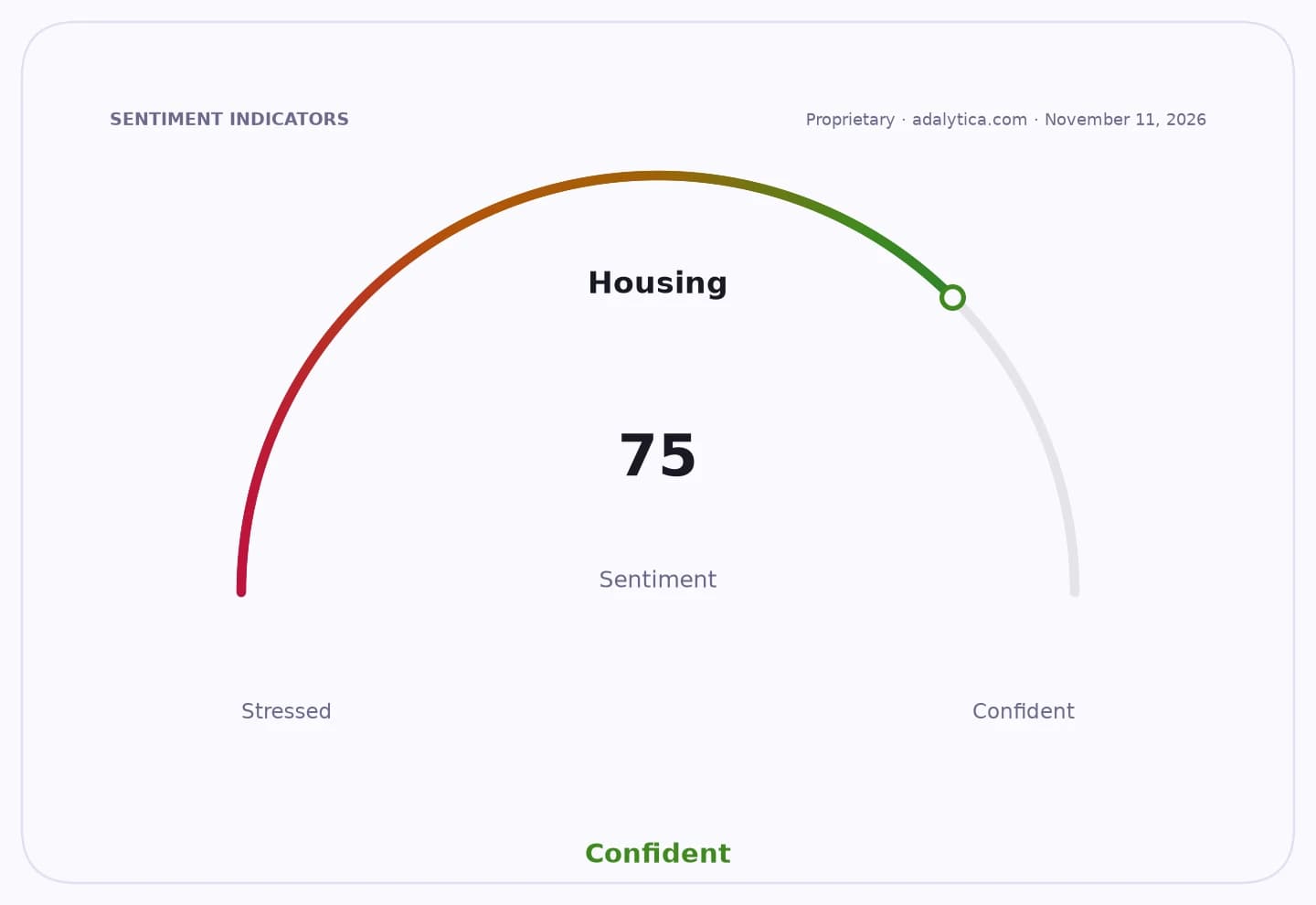
Sentiment Indicators
The backdrop is a U.S. rate environment that has not eased enough to restore affordability. The 30-year fixed mortgage rate has been running around 7.1%, near levels that continue to constrain transactions nationally, while the 10-year Treasury yield has stayed elevated by historical standards. For Oahu buyers, where home prices are already well above mainland norms, that rate burden compounds quickly, reducing purchasing power and forcing more households to delay or downsize their plans.
For sellers and developers, the squeeze is more nuanced. Single-family homes are still finding buyers, which suggests upper-end and move-up demand has held up better than expected. Condos, by contrast, are more exposed to financing costs, maintenance fees and monthly payment sensitivity. That leaves builders and owners of multifamily stock facing more pricing pressure, particularly if new supply continues to come to market faster than it can be absorbed.
The market signal is also visible in homebuilder and housing ETFs. The iShares U.S. Home Construction ETF has been volatile but remains well below its earlier 2026 highs, reflecting investor caution around affordability and transaction volumes. Shares of housing-related names have tracked the push and pull between resilient underlying demand and the drag from rates that remain too high for a broad recovery.
For investors, the key question is not whether housing on Oahu is broken, but where the pain is concentrating. High rates are likely to keep condo resale volumes soft, cap price appreciation in higher-supply segments and favor sellers of scarce single-family inventory. If mortgage rates ease meaningfully, the first beneficiaries should be condo markets and homebuilders with exposure to entry-level demand; if they do not, Oahu’s bifurcated market could persist into next year.
| Entity | Gains | Losses |
|---|---|---|
| Single-family sellers | ▲stronger pricing power | ▼less rate sensitivity |
| Condo buyers | ▲more negotiating leverage | ▼higher monthly payments |
| Oahu developers | ▲scarce-home demand | ▼slower condo absorption |
| Lenders/homebuilders | ▲selective demand persists | ▼affordability-constrained volume |