Nigeria has backed OPEC’s decision to cut 2 million barrels of crude production for November, a move that underscores the cartel’s effort to keep a floor under oil prices even after months of supply volatility and a surge in member output.
Nigeria Backs OPEC 2 Million Barrel Production Cut
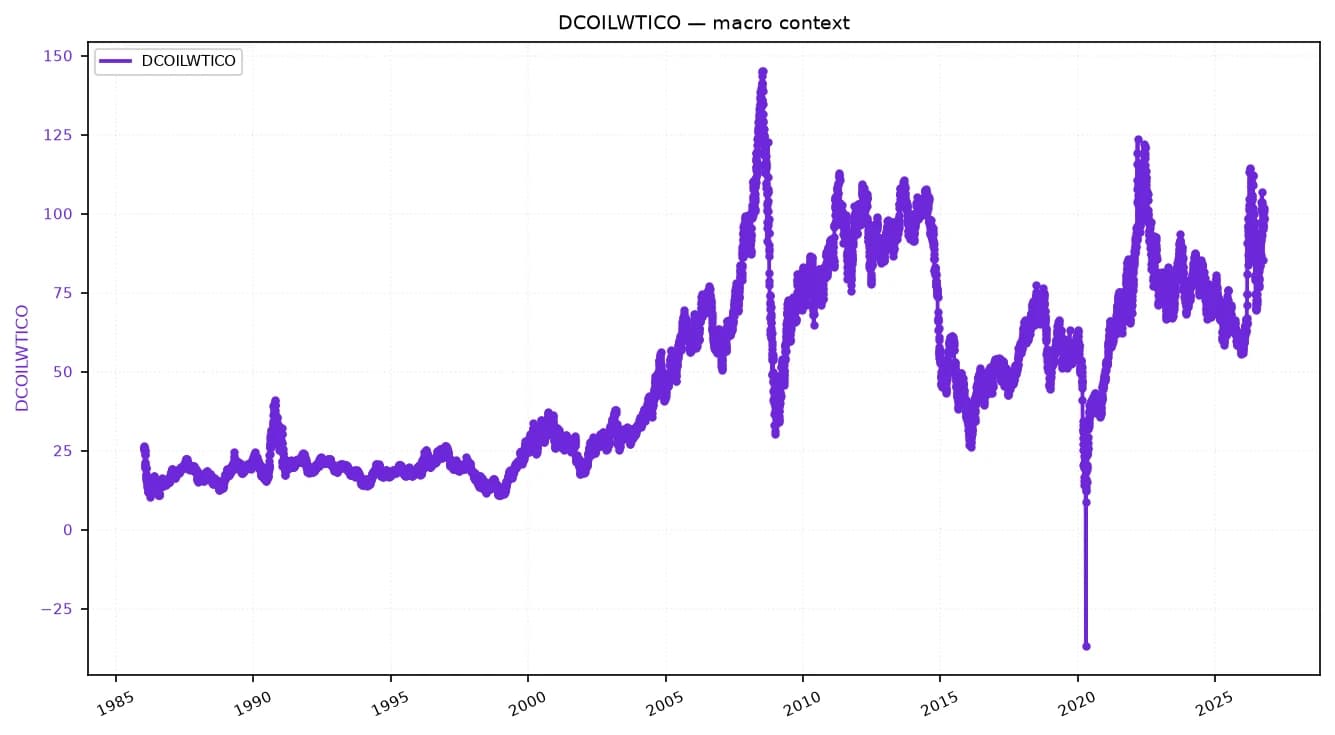
The decision matters because OPEC is not responding to a collapse in demand, but to a market that remains tight enough to keep crude at elevated levels. Brent and WTI had already been trading at historically high prices, while U.S. oil benchmark funds and energy equities have held firm. USO, the U.S. oil ETF, closed at 162.51 on Oct. 22, well above its 50-day and 200-day moving averages, while the energy sector ETF XLE finished at 67.57, also above both key trend gauges. Those levels suggest investors still expect supply discipline to matter more than any near-term weakness in global consumption.
Sentiment IndicatorsⓘProprietary · adalytica.com · October 22, 2026
This is a snapshot — live sentiment, awareness and momentum for 130+ markets update continuously in the dashboard.Open AlphaPulse
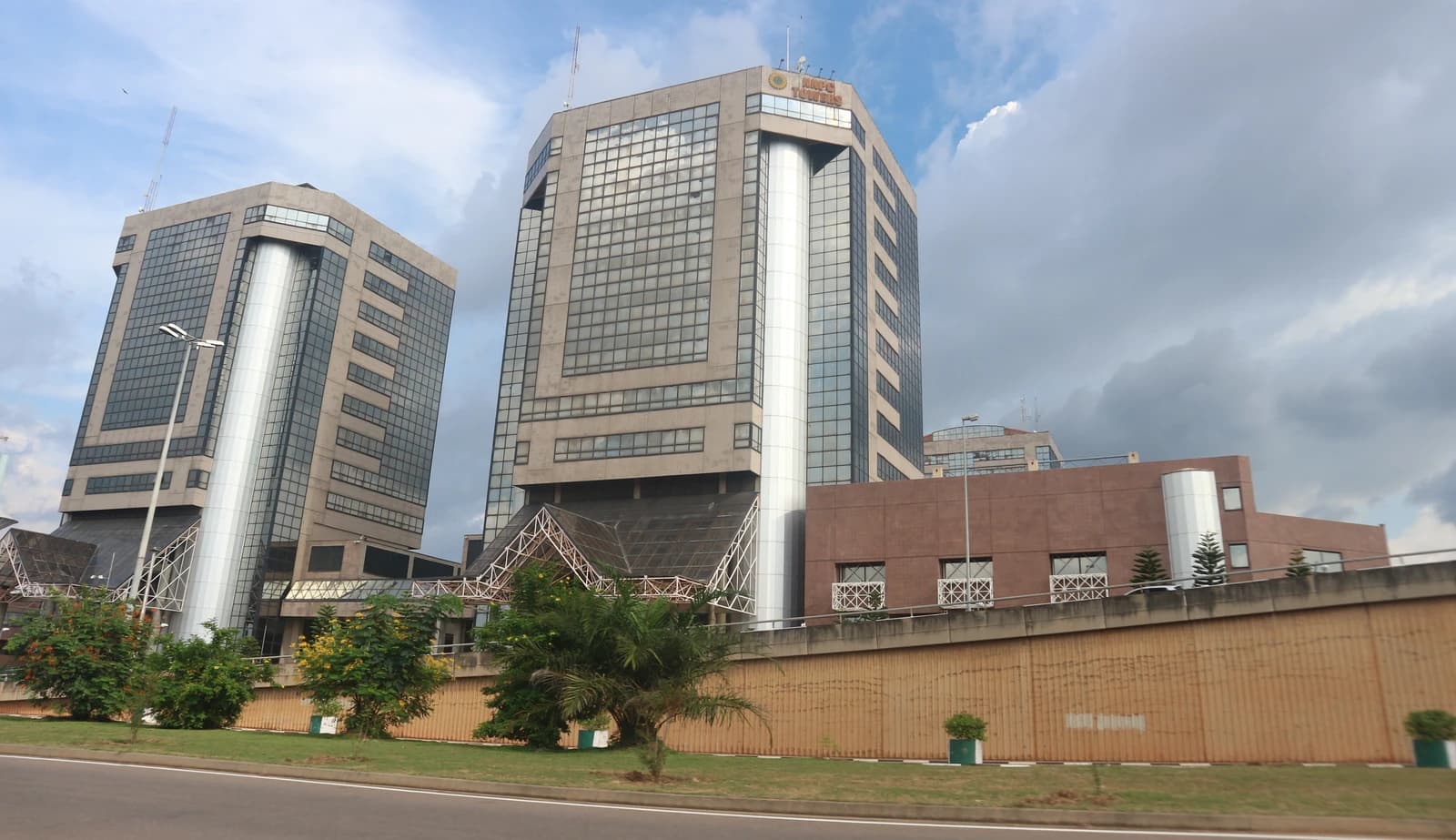
For Nigeria, the cut is a reminder of the trade-off facing OPEC producers: higher prices can offset lower barrels, but only up to a point. Nigeria has struggled in recent years to hit its own production goals, and the OPEC restraint is occurring alongside reports that the country has at times produced above quota. That tension is important for fiscal planning across the group, where many budgets depend on export revenue and where every barrel lost to quotas must be compensated by stronger pricing.
The broader market backdrop is mixed. OPEC has also revised down its 2026 oil demand growth forecast, citing softer consumption, even as it expects a rebound in 2027 led by India and non-OECD Asia. At the same time, geopolitical risk has kept supply concerns elevated, helping support crude benchmarks and lifting energy producers. The Adalytica OPEC policy sentiment gauge, however, shows “fear” and “extreme fear,” reflecting how quickly traders can move from optimism about price support to concern over demand or policy reversals.
For investors, the immediate implication is that OPEC remains willing to defend prices, which is constructive for oil majors, integrated producers and service companies if crude stays near current levels. The risk is that further cuts could slow the recovery in volumes for some producers just as higher borrowing costs and uneven global growth pressure demand. The next focus will be whether the group can enforce compliance and whether demand data justifies the restraint, or whether the market eventually begins to price in a softer 2026 balance.
| Entity | Gains | Losses |
|---|---|---|
| OPEC producers | ▲Higher crude prices | ▼Lower output volumes |
| Nigeria | ▲Better export revenue per barrel | ▼Limited room to grow production |
| Energy equities | ▲Support for earnings and cash flow | ▼Demand slowdown risk |
| Oil consumers | ▲— | ▼Higher fuel and input costs |