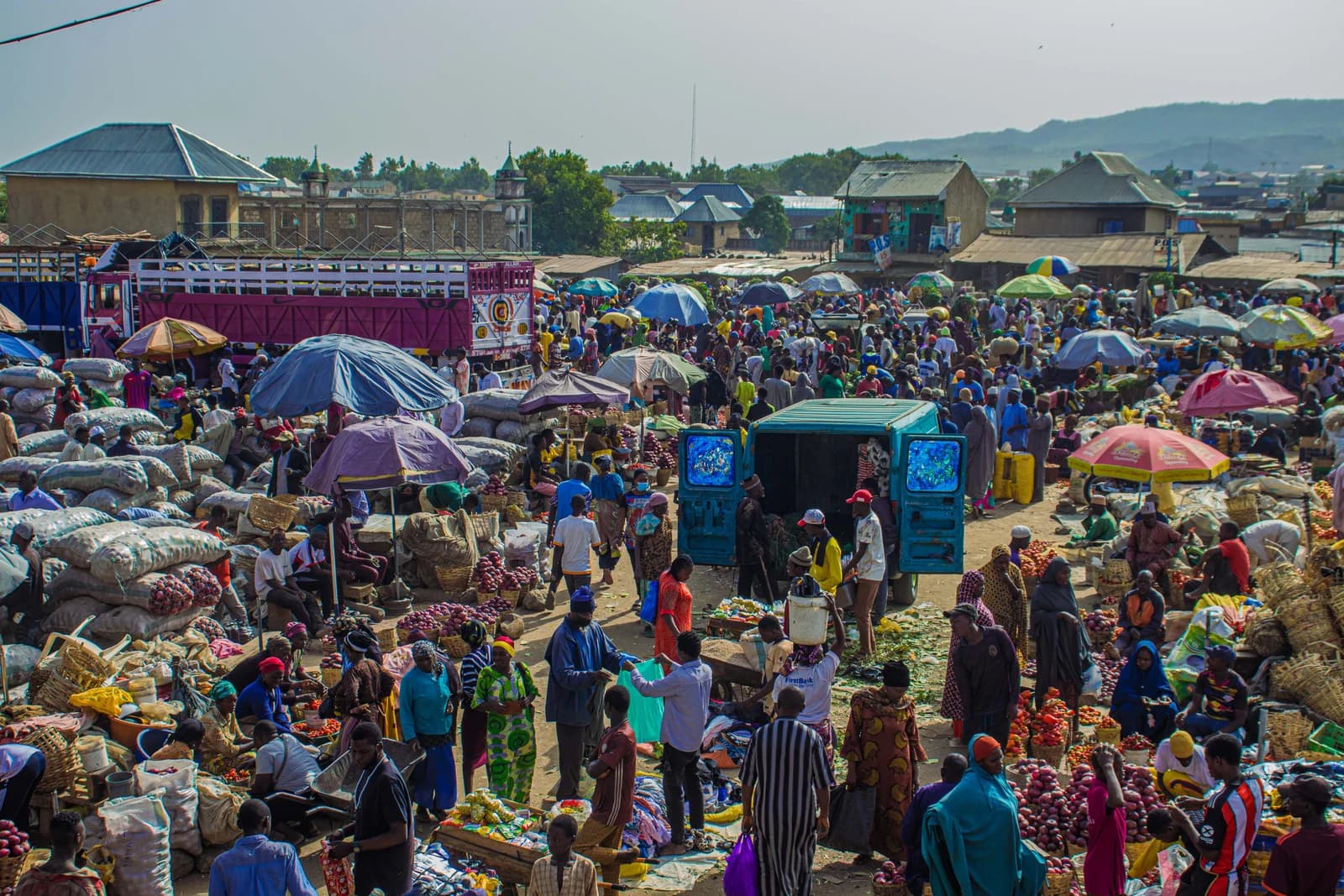
Nigeria’s central bank says net foreign reserves have reached a record $46 billion, a milestone that could make the naira easier to defend and give foreign investors more confidence that they can move money in and out of the country.
Nigeria CBN reserves hit record $46 billion

That is the real economic significance here: in emerging markets, reserve strength is not just a headline number. It is the difference between a currency market that feels orderly and one that can seize up when oil receipts, portfolio flows or global risk appetite turn volatile. Central Bank of Nigeria Governor Olayemi Cardoso said on the sidelines of a Nigeria-Asia Connectivity Dialogue in Singapore that gross reserves also hit an all-time high of $55.07 billion on Oct. 8, giving Africa’s most populous economy a larger cushion against external obligations.
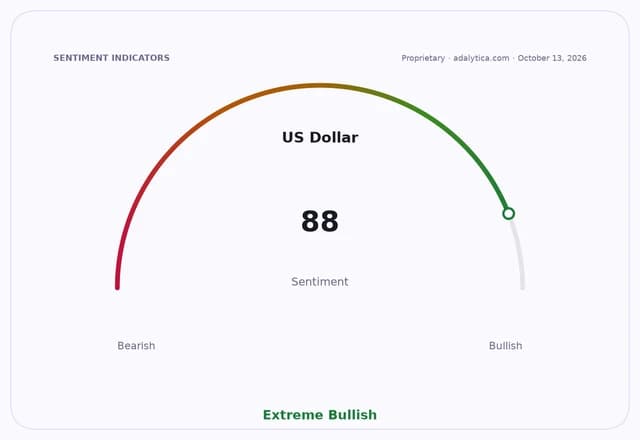
Sentiment IndicatorsⓘProprietary · adalytica.com · October 13, 2026
This is a snapshot — live sentiment, awareness and momentum for 130+ markets update continuously in the dashboard.Open AlphaPulse
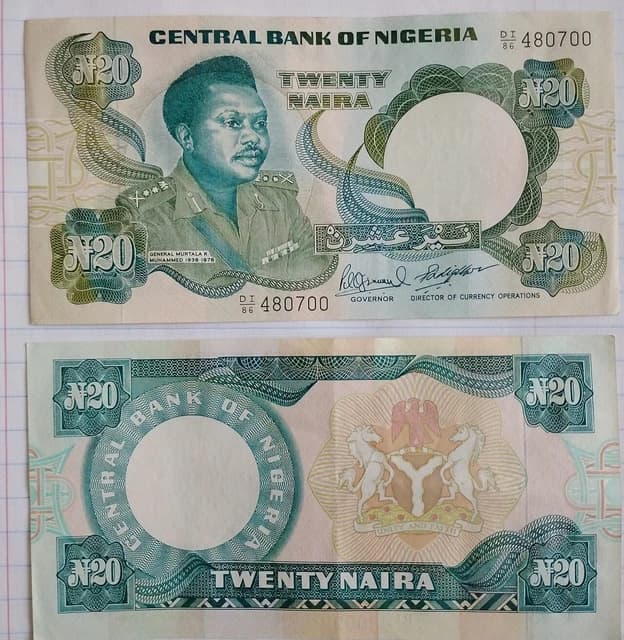
For investors, that matters because it lowers one of the biggest risks in Nigeria — not just currency weakness, but the risk of not being able to get dollars when needed. Cardoso said the improved buffer makes FX transactions “more predictable,” which is exactly what long-term capital wants to hear. The net reserve figure, which strips out certain foreign-currency liabilities, rose by about $11.2 billion from $34.80 billion at the end of December 2025, underscoring how much the external position has improved in less than a year.
The message is also important for the naira itself. A stronger reserve position does not guarantee currency appreciation, but it can reduce the odds of sharp dislocations by reassuring market participants that the central bank has the capacity to meet demand. That helps trade, import planning and repatriation of profits — all basic requirements for private investment to scale in a market of Nigeria’s size.
Cardoso has been trying to frame the reserve build-up as the product of policy discipline rather than a temporary windfall. He said gross reserves have climbed above $55 billion, the highest in more than 18 years, helped by consistency in macro management and diaspora remittances. Those inflows matter because they are usually more durable than one-off capital bursts and can support the external accounts over time.
The equity-market angle is more nuanced. Reserve gains are supportive for Nigerian assets, but only if they are sustained. The latest figures, including gross reserves rising to $54.08 billion on Sept. 3 and $54.61 billion by Sept. 14 before moving higher again, suggest a trend rather than a single data point. Still, the durability of that trend will depend on foreign-exchange inflows, oil earnings, and whether policy makers keep the market stable enough to preserve confidence.
That is why the long-term story is less about a single reserve milestone and more about whether Nigeria is rebuilding credibility. If the CBN can keep external buffers rising and the FX market predictable, the naira should become a more investable currency and Nigerian risk assets should draw steadier capital. If not, the confidence boost could fade quickly. For now, the reserve numbers are a constructive sign — and one investors should keep on the watchlist.
| Entity | Gains | Losses |
|---|---|---|
| Central Bank of Nigeria | ▲More policy credibility | ▼Less room for slippage |
| Naira / FX market | ▲Greater stability | ▼Sharp volatility |
| Foreign investors | ▲Easier repatriation, more confidence | ▼Fewer bargain dislocations |
| Importers / corporations | ▲Better dollar access | ▼Less advantage from FX scarcity |