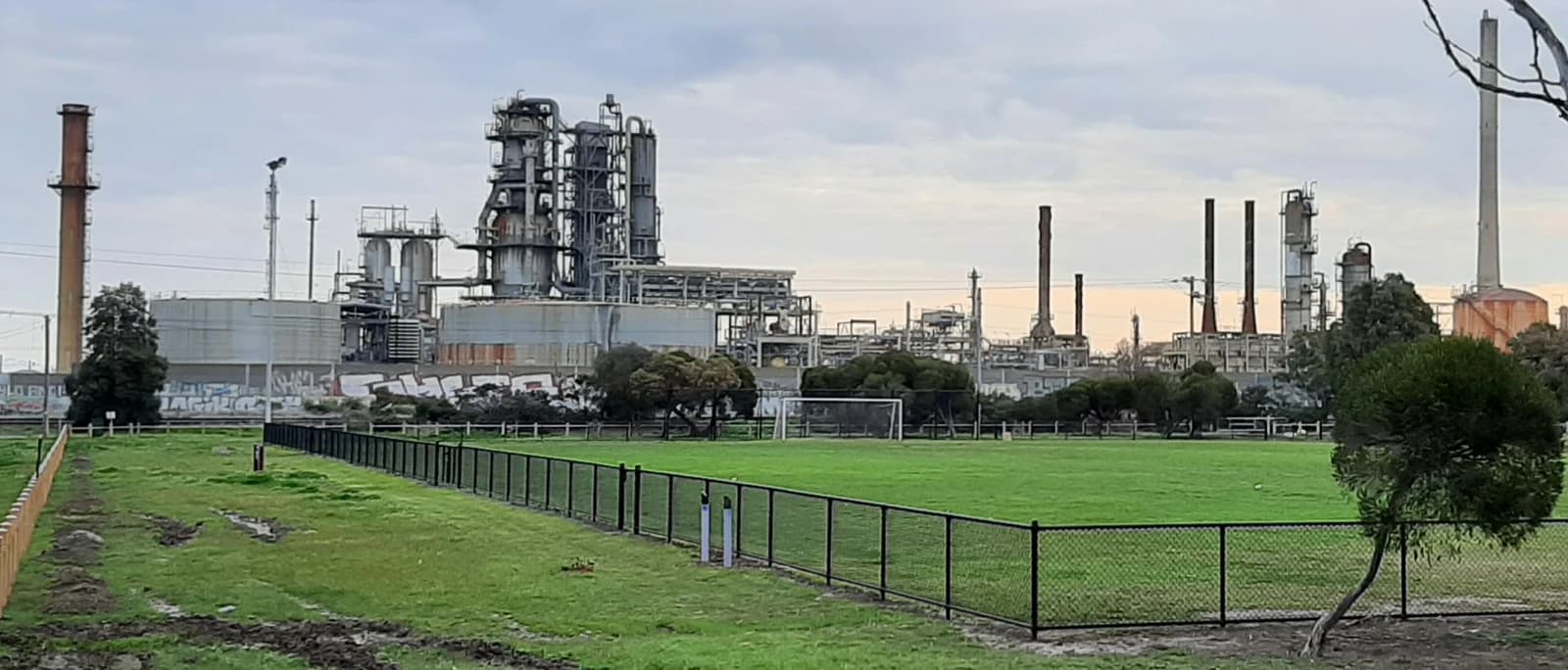
Nigeria’s import mix from the United States underscores a persistent economic vulnerability: the country still leans on foreign suppliers for basic staples and industrial inputs, with wheat and ethanol topping U.S. agricultural exports to Nigeria in 2021.
Nigeria imports wheat and ethanol from U.S. in 2021
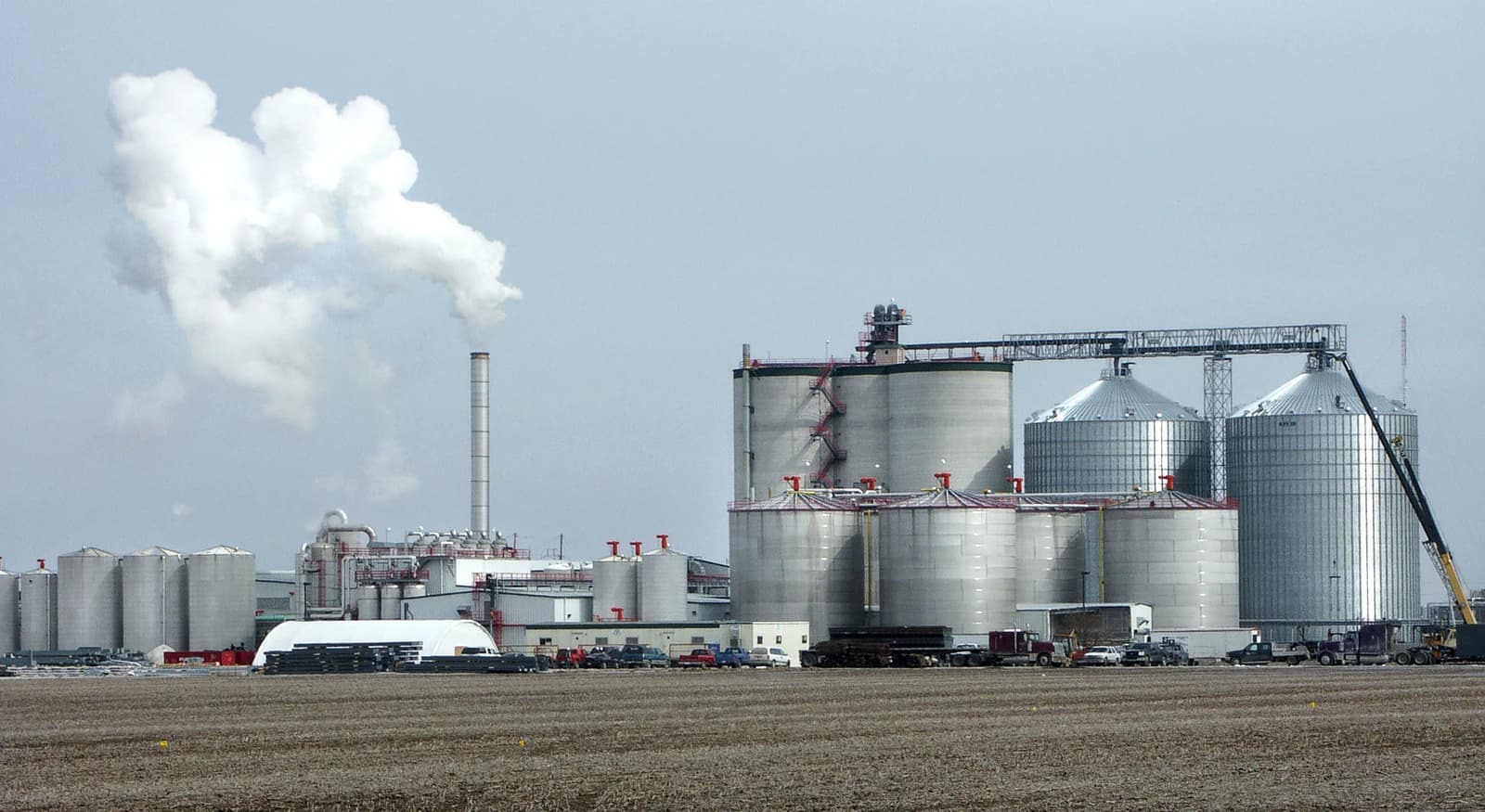
That matters because food and fuel are two of the most inflation-sensitive items in any economy, and in Nigeria they sit at the intersection of currency weakness, local production gaps and policy pressure. When a country imports grain for bread and ethanol for blending or industrial use, it is effectively outsourcing part of its food system and parts of its energy chain to global markets that are priced in dollars. That leaves domestic consumers exposed to swings in the exchange rate, global commodity prices and freight costs.
Sentiment IndicatorsⓘProprietary · adalytica.com · August 11, 2026
This is a snapshot — live sentiment, awareness and momentum for 130+ markets update continuously in the dashboard.Open AlphaPulse
The data points to how quickly that exposure can become costly. U.S. crude benchmarks have been volatile, with West Texas Intermediate trading near $123 a barrel in March 2022 before falling back, while the broader U.S. producer price index has remained elevated relative to pre-pandemic levels. For import-dependent economies, those moves filter through to transport, food processing and consumer prices long before they show up in headline inflation data.
For Nigeria, the significance is not just that wheat and ethanol were major U.S. exports; it is that they reflect structural demand that domestic agriculture and industry have not yet fully replaced. Wheat is especially important because Nigeria’s bread and flour consumption is high, while local wheat production remains limited by climate, yields and input costs. Ethanol, meanwhile, ties into a wider debate over fuel blending, industrial feedstocks and energy security.
Investors should read this as a reminder that Nigeria’s macro story remains one of import dependence rather than self-sufficiency. That tends to support businesses that can benefit from sustained demand for imported grains, logistics and dollar-linked commodities, but it also raises risks for consumer-facing companies, food manufacturers and any sector exposed to foreign exchange shortages. The more the naira weakens, the more expensive these imports become in local terms, and the harder it is for households and firms to absorb the shock.
The policy backdrop is equally important. Any push by Nigeria to cut import reliance through local wheat production or alternative fuel programs would take time and capital. Until then, U.S. agribusiness exporters, global commodity traders and Nigerian processors remain tied together by a trade flow that is essential, vulnerable and highly sensitive to macro conditions.
| Entity | Gains | Losses |
|---|---|---|
| U.S. grain and ethanol exporters | ▲Stronger sales to Nigeria | ▼Less demand if Nigeria localizes supply |
| Nigerian consumers | ▲Short-term access to staples and fuel inputs | ▼Higher prices from FX and freight swings |
| Nigerian policymakers | ▲Leverage to manage shortages | ▼Pressure to reduce import dependence |
| Food and fuel importers | ▲Reliable supply channels | ▼Margin squeeze from currency weakness |