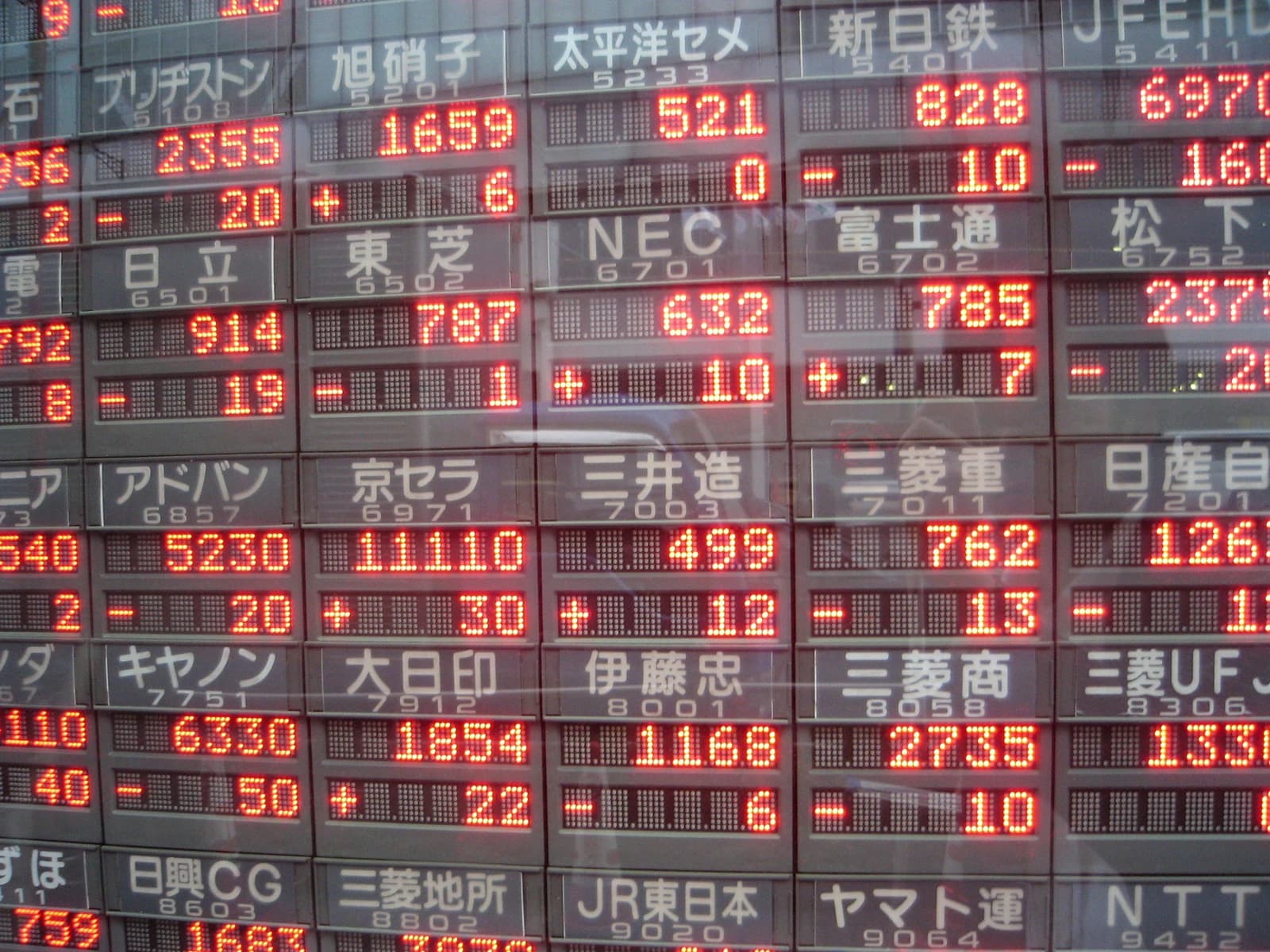
Japan’s Nikkei rose about 1% as a retreat in crude oil and a well-received Japanese government bond auction helped steady markets that had been pressured by inflation fears and geopolitical tension.
Nikkei Rises on Lower Oil and Strong JGB Auction

The move matters because lower oil prices ease one of the most immediate inflation risks for Japan, where energy costs feed quickly into import bills, consumer prices and corporate margins. A smooth government bond sale also reassured investors that demand for Japanese debt remains intact even as the Bank of Japan considers further tightening. Together, the two developments reduce the near-term pressure on domestic rates and risk assets, supporting equities at a time when investors are still weighing how far policy normalization can go without damaging growth.
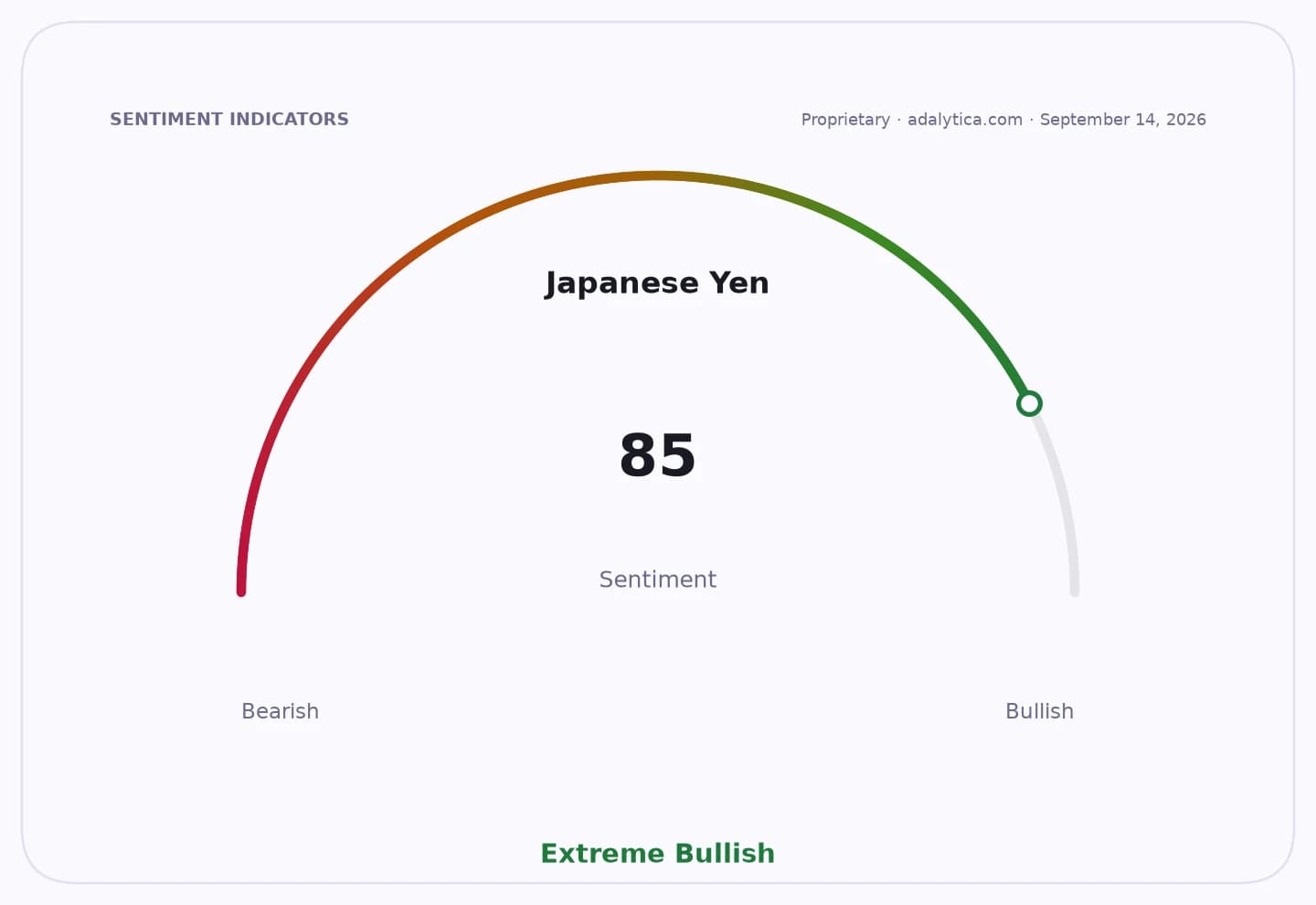
Sentiment IndicatorsⓘProprietary · adalytica.com · October 6, 2026
This is a snapshot — live sentiment, awareness and momentum for 130+ markets update continuously in the dashboard.Open AlphaPulse

The Nikkei’s advance was broad enough to lift market sentiment, with the index adding to gains that have pushed it to elevated levels in recent sessions. The backdrop is important: Japan stocks had been caught between higher inflation expectations, renewed Middle East worries and the prospect of faster BOJ rate hikes. A decline in crude removes some of the inflationary impulse, while an orderly JGB auction suggests the bond market is still absorbing supply without requiring a sharp jump in yields.
For investors, that combination is constructive for Japanese equities because it eases the pressure on domestic consumers and on companies with heavy energy exposure, while also reducing the risk that rising yields choke off the rally. It is particularly relevant for rate-sensitive sectors and for banks, which have benefited from the prospect of higher rates but do not want a disorderly move in bond yields. Exporters remain supported by a weaker yen backdrop, though the currency picture can shift quickly if oil prices resume climbing or if BOJ officials sound more aggressive.
The latest price action also fits a broader pattern in Japanese markets: investors are increasingly buying dips when policy and commodity headlines temporarily worsen. That leaves the Nikkei vulnerable if crude rebounds or if future bond auctions show weaker demand, but for now the message from the market is that inflation concerns are manageable and financing conditions remain orderly.
| Entity | Gains | Losses |
|---|---|---|
| Nikkei stocks | ▲Lower inflation pressure | ▼None immediately |
| Japanese consumers | ▲Lower fuel import costs | ▼Energy-linked spending relief delayed if oil rebounds |
| JGB market | ▲Strong auction demand | ▼Bond bears |
| Importers | ▲Softer crude prices | ▼Oil producers and energy suppliers |