North Korean leader Kim Jong Un has ordered broader use of artificial intelligence and automation in the country’s weapons systems, a sign Pyongyang is trying to sharpen its arsenal even as sanctions and resource limits make mass production as important as innovation.
North Korea Orders AI Use in Weapons Systems

Kim’s visit to defense enterprises from Wednesday to Friday underscored that priority. State media said he inspected drone and artillery facilities and called for AI to be embedded in “offensive and defensive combat weapon systems,” while also pressing factories to raise output and improve production conditions. For investors and security analysts, the message is less about a near-term technological leap than about North Korea’s effort to make its existing strike systems more lethal, harder to intercept and faster to produce.
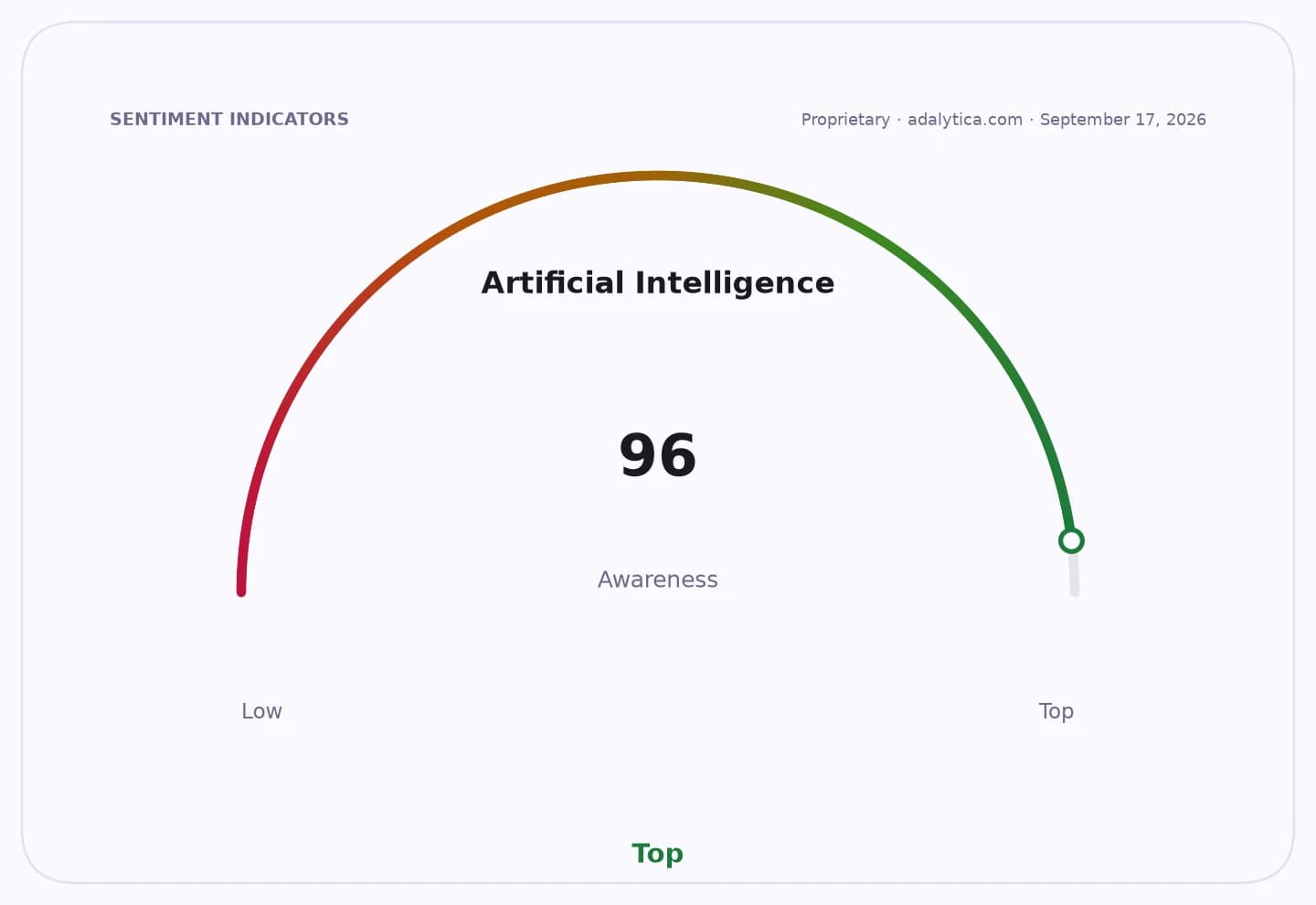
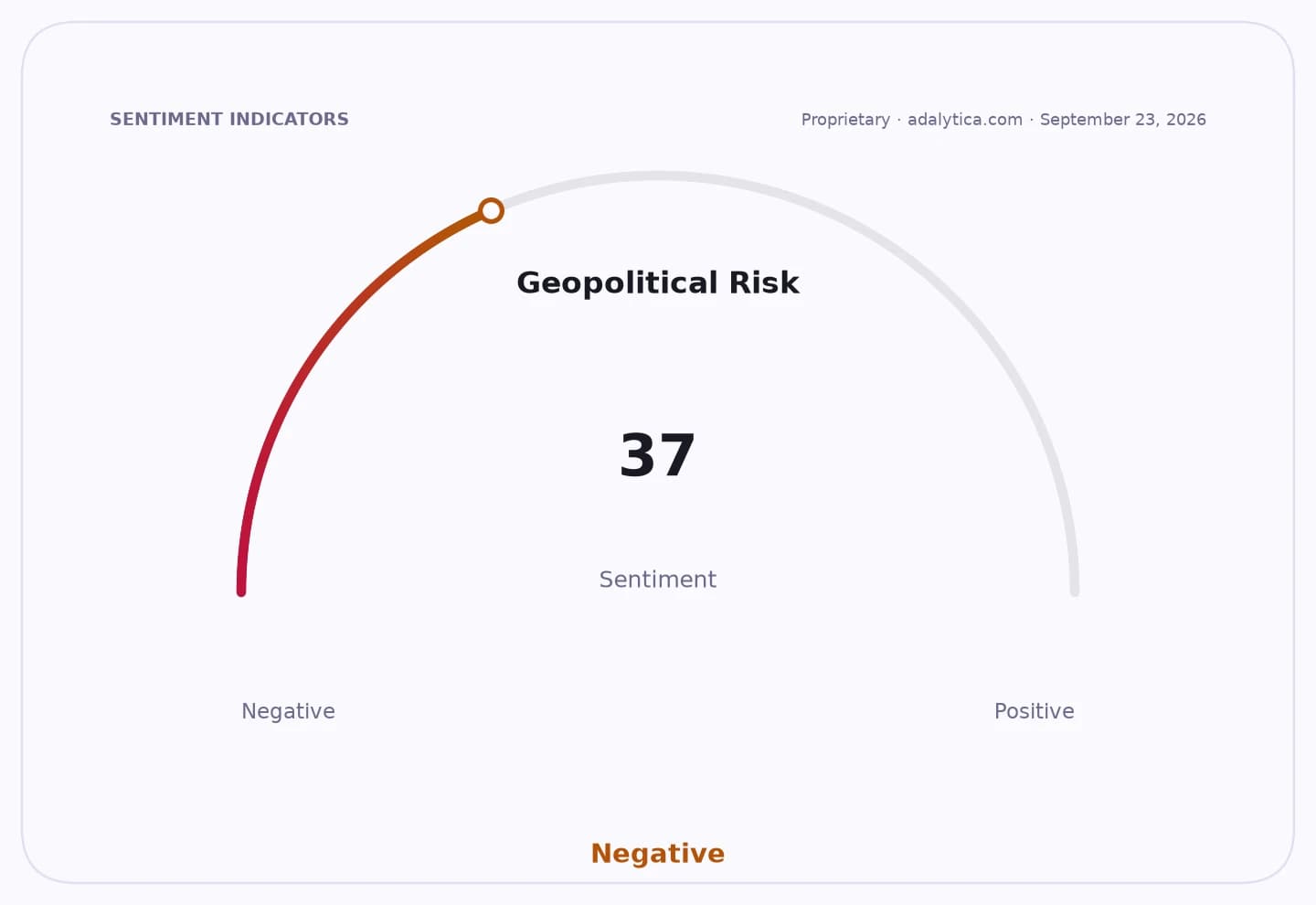
Sentiment IndicatorsⓘProprietary · adalytica.com · September 22, 2026
This is a snapshot — live sentiment, awareness and momentum for 130+ markets update continuously in the dashboard.Open AlphaPulse
That matters economically because North Korea’s defense sector has long operated under severe constraints, relying on scale, improvisation and state mobilization rather than high-end industrial depth. AI and automation, even in a limited form, could help improve targeting, reduce dependence on labor and increase throughput in drone, artillery and missile production. In a country where conventional force posture is tied closely to deterrence, any gain in manufacturing efficiency can translate directly into military credibility.
The emphasis on artillery also points to the strategic logic behind the push. Seoul remains within range of North Korean conventional firepower, and Kim has been modernizing the country’s artillery park for years. Photos released by state media showed him at facilities producing drones and massive 600 mm multiple launch rocket systems, known outside North Korea as the KN-25, a system that resembles the U.S.-made HIMARS but has evolved into something closer to a short-range ballistic missile launcher. The system’s dual-use character, and the fact that some North Korean missile platforms can also serve as nuclear delivery systems, raises the stakes for regional defense planners.
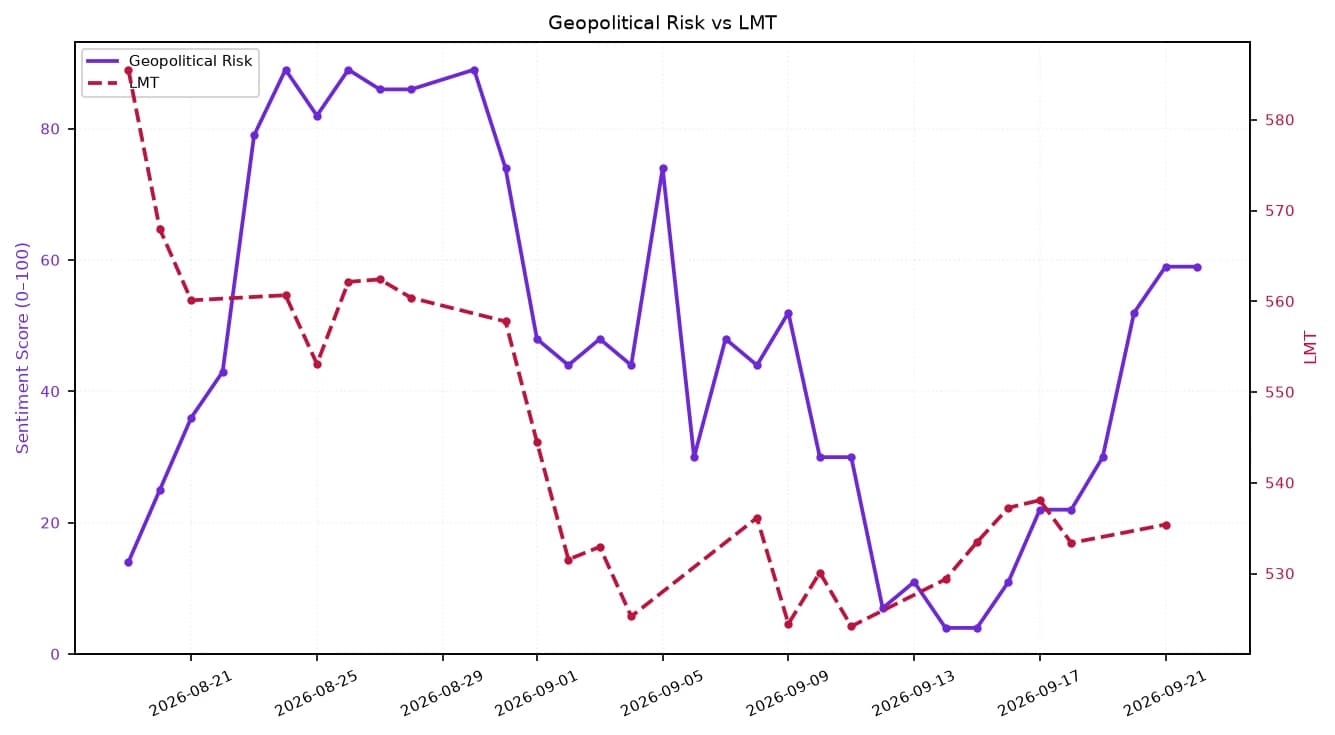
For investors, the immediate market impact is indirect but still relevant. Heightened military modernization in North Korea tends to reinforce demand for South Korean and Japanese defense spending, support missile defense and surveillance themes, and keep geopolitical risk premia elevated in Northeast Asia. It also complicates any view that AI is purely a civilian productivity story; the same technology that supports automation in factories and logistics can be adapted to battlefield decision-making, targeting and autonomous systems.
There is also a broader policy angle. Kim’s comments fit a wider global pattern in which militaries are racing to integrate AI before governance frameworks catch up. The difference in North Korea is that oversight is opaque, external verification is limited and the priority appears to be battlefield utility rather than transparency or safety. That makes it harder to judge how advanced the systems are, but easier to assume they are intended to increase the tempo and survivability of future strikes.
The near-term question is whether Pyongyang can move from aspirational rhetoric to repeatable industrial output. If it can, the combination of drones, automated artillery systems and AI-assisted weapons design could make North Korea’s conventional and nuclear deterrent more flexible. If not, the announcement still signals intent: Kim wants the military to build faster, automate more and use AI wherever it can increase destructive power.
| Entity | Gains | Losses |
|---|---|---|
| North Korea’s military | ▲Faster weapons output | ▼Higher sanctions pressure |
| South Korea and Japan defense firms | ▲Stronger demand for missile defense | ▼Greater regional risk |
| Kim Jong Un regime | ▲Stronger deterrence posture | ▼More international alarm |
| Investors in Northeast Asia risk assets | ▲Clearer defense spending theme | ▼Higher geopolitical premium |