North Macedonia’s annual inflation cooled to 2.6% in August, putting it among the lowest in Europe and strengthening the case that the country has moved past the worst of the post-pandemic price shock.
North Macedonia Inflation Cools to 2.6% in August

That matters because lower inflation gives households more purchasing power, gives the government more room to defend wage and pension increases, and reduces pressure on the central bank to keep policy tight for longer. It also improves the relative macro backdrop for a small Balkan economy still trying to sustain growth after a period of volatile food and energy costs.
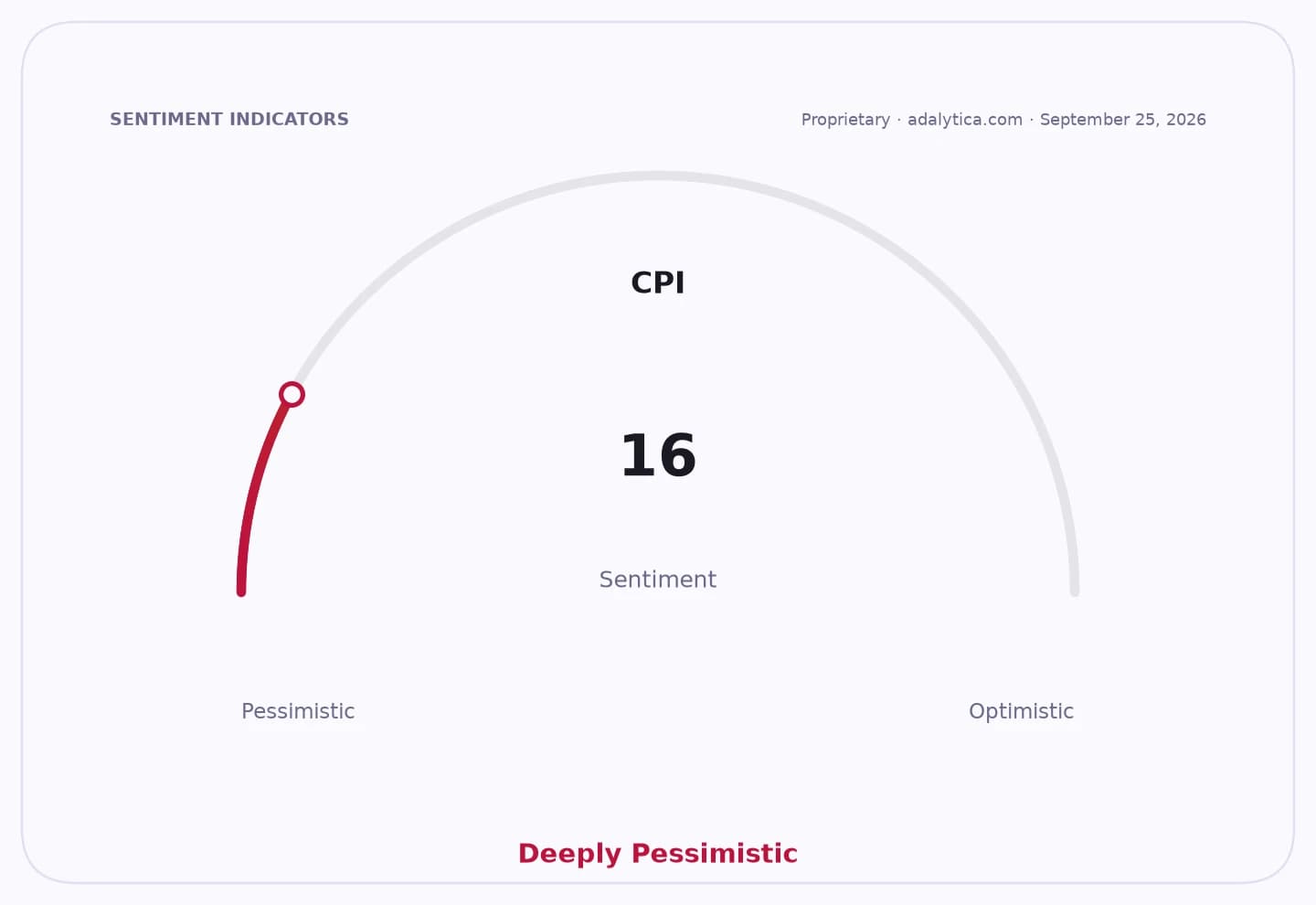
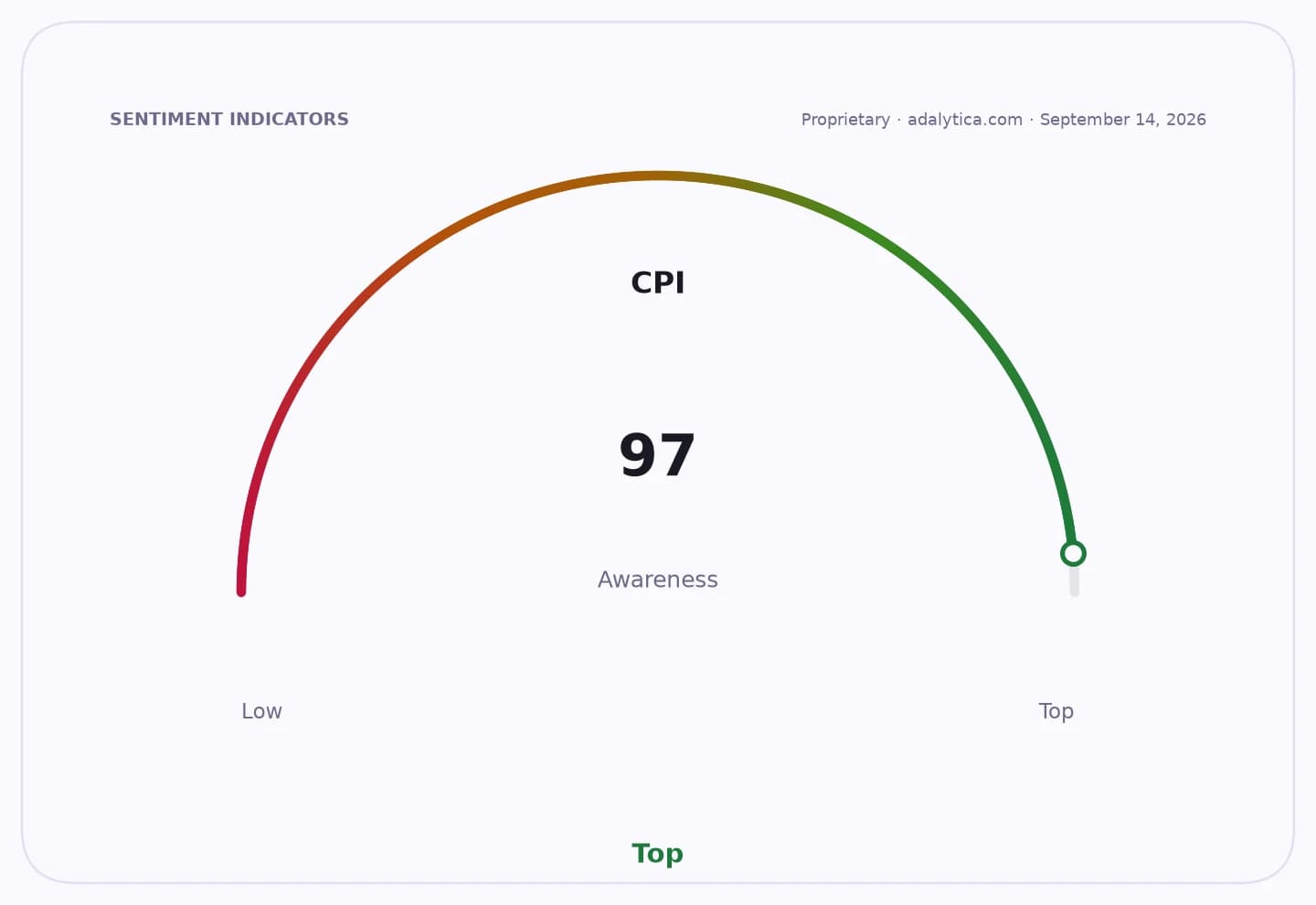
Sentiment IndicatorsⓘProprietary · adalytica.com · September 8, 2026
This is a snapshot — live sentiment, awareness and momentum for 130+ markets update continuously in the dashboard.Open AlphaPulse
The government said the August reading was sharply below the 16.8% rate recorded in the same month of 2022, underscoring how much the inflation spike has receded. It also compared favorably with the eurozone’s 3.3% in August, and was only slightly above Finland’s 2.4%, while remaining ahead of Malta’s 1.9% and Estonia’s 1.3%, according to the latest Eurostat data cited by the authorities.
For investors, the significance is twofold. First, a faster disinflation path can support real incomes and domestic consumption, which is important in a market where demand has been squeezed by higher borrowing and living costs. Second, stable inflation reduces the risk of another policy shock from the central bank and can help anchor expectations for local assets, including the dinar and government borrowing costs, even if North Macedonia remains far smaller and less liquid than eurozone markets.
The government also pointed to a modest recovery in industrial activity as evidence that price stability is not coming at the expense of output. Industrial production rose 1.3% year on year in July and was up 0.9% in the first seven months of 2026, suggesting the economy is still growing, albeit slowly.
The broader policy message is clear: Skopje wants to present lower inflation as proof that its economic management is working, while using the slowdown to justify continued support for wages, pensions and investment. The bull case is that easing price pressure and slightly firmer industrial output mark the start of a steadier expansion. The bear case is that headline inflation can remain subdued while underlying demand stays weak, leaving growth vulnerable if external demand softens or energy prices rebound.
For now, the key takeaway for markets is that North Macedonia is approaching price stability from a position much stronger than two years ago. If inflation remains near current levels, the main debate will shift from fighting inflation to whether the economy can convert lower prices into a durable acceleration in growth.
| Entity | Gains | Losses |
|---|---|---|
| North Macedonian households | ▲Higher real incomes | ▼Less pricing power for some firms |
| Government | ▲Stronger policy credibility | ▼Pressure to sustain spending commitments |
| Borrowers | ▲Lower inflation risk | ▼Savers facing lower real returns |
| Businesses reliant on demand | ▲More stable input costs | ▼Exporters if domestic demand stays weak |