French cinema’s regional financing model is coming under political pressure, with Nouvelle-Aquitaine warning that a far-right advance could weaken the public support that sustains independent production, local crews and France’s cultural exception.
Nouvelle-Aquitaine warns on French film funding risk
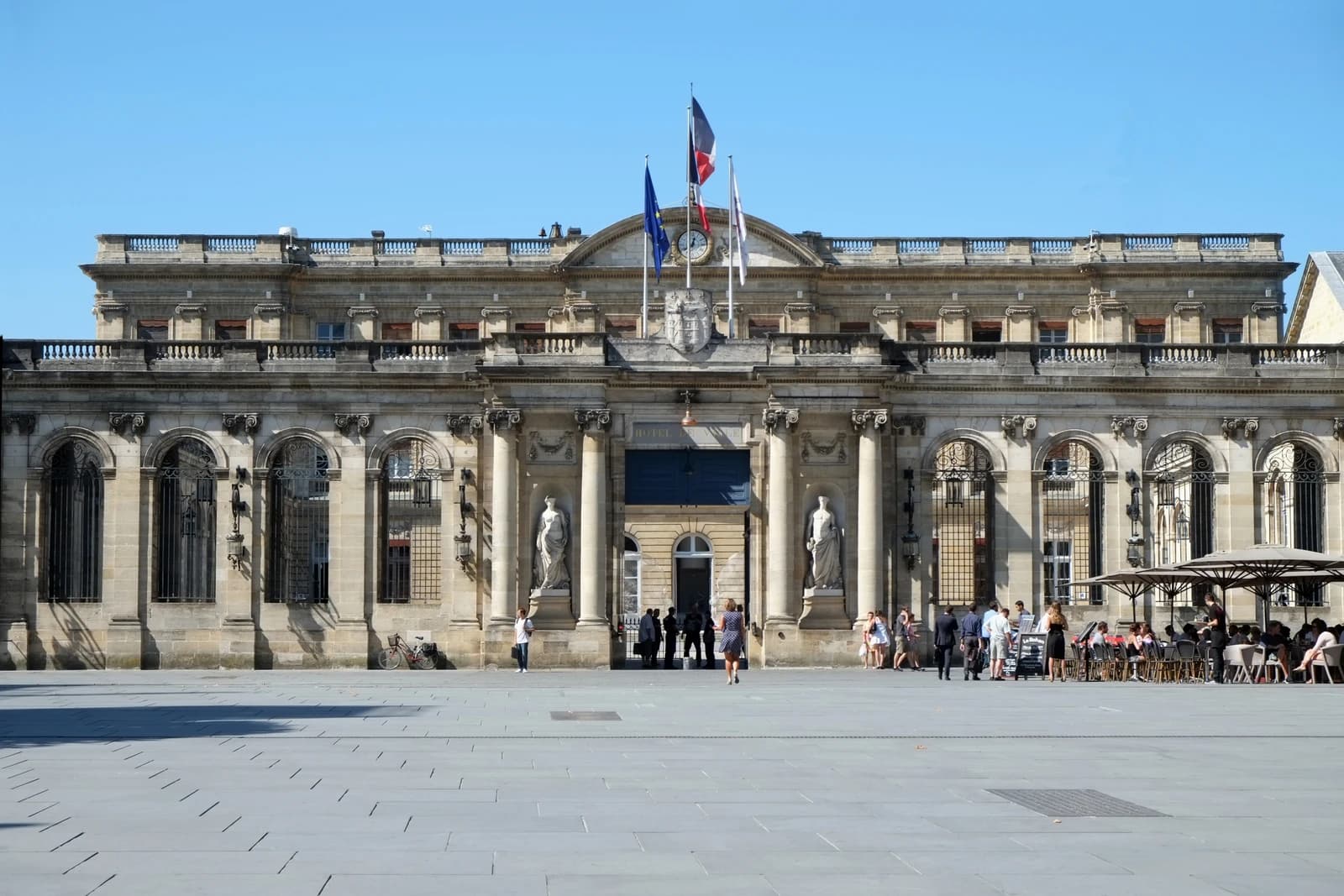
The intervention matters because film in France is not just a cultural issue but an economic one: regional subsidies, training, location spending and production services help anchor a dense ecosystem of small producers and technicians. If that framework is pared back, the hit would extend well beyond festivals and auteurs to the local supply chain that depends on a steady flow of shoots.
Sentiment Indicators
On Tuesday, representatives of the Nouvelle-Aquitaine region and industry groups used a press conference to urge presidential candidates to defend independent cinema and oppose political interference in cultural policy. Among those present were Charline Claveau, the regional vice-president for culture, Bruno Boutleux of the Agence livre et cinéma, David Hurst of Produire en Nouvelle-Aquitaine and professional bodies including the SRF, the Spi and La Boucle documentaire.
Their warning is aimed squarely at the political risk that a harder line on cultural spending could reshape funding priorities. For regional authorities, cinema is part of broader economic development: it supports employment in production, post-production, logistics and hospitality, while helping keep creative talent in the region rather than concentrated in Paris or abroad.
Investors in media, streaming and content production have a different but related stake. France remains one of Europe’s most interventionist markets for film and audiovisual works, and any move to curtail regional support or soften the country’s cultural protections would alter the economics of commissioning, distribution and co-production. That could matter for international streamers as well as domestic producers, particularly at a time when content costs are already under scrutiny.
The political backdrop also fits a wider European pattern in which culture is increasingly part of the identity battle around public spending, national priorities and regional autonomy. In that sense, Nouvelle-Aquitaine’s warning is less about one region’s grant program than about whether France continues to treat cinema as an industrial policy tool as well as a cultural asset.
For now, the immediate consequence is rhetorical rather than financial. But the message from Nouvelle-Aquitaine is clear: if the far right gains ground, the risk is not only a change in tone around film policy, but a reordering of the economics that support French independent cinema.
| Entity | Gains | Losses |
|---|---|---|
| Independent filmmakers | ▲Public subsidies, policy stability | ▼Political interference |
| Regional production hubs | ▲Local spending, employment | ▼Funding cuts |
| Far-right candidates | ▲Campaign leverage | ▼Cultural-sector support |
| Streamers and distributors | ▲Stable co-production rules | ▼Higher policy uncertainty |