Nuix has unveiled a new generative AI framework aimed at one of the biggest bottlenecks holding back enterprise adoption: how to use large language models on sensitive data without losing control, auditability or evidentiary integrity.
Nuix launches generative AI framework for regulated data
That matters because the real race in artificial intelligence is no longer just about who has the smartest model. It is about who can make AI usable in the regulated, high-stakes workflows that generate recurring revenue over years, not months. Legal teams, investigators and risk officers are not looking for flashy demos. They need systems that can prove where an answer came from, limit token costs and keep data grounded in a defensible record. Nuix is trying to turn that need into a product advantage.
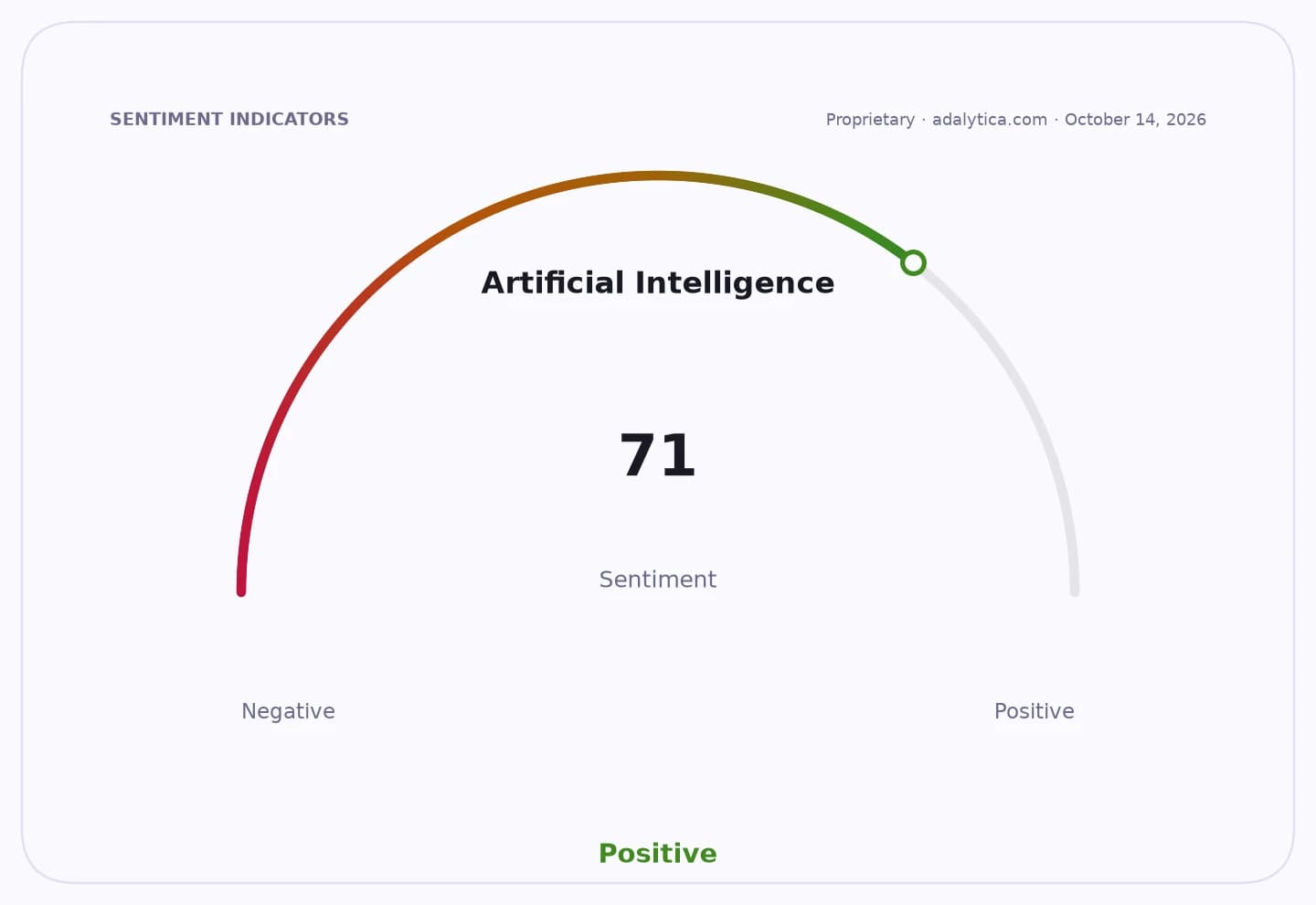
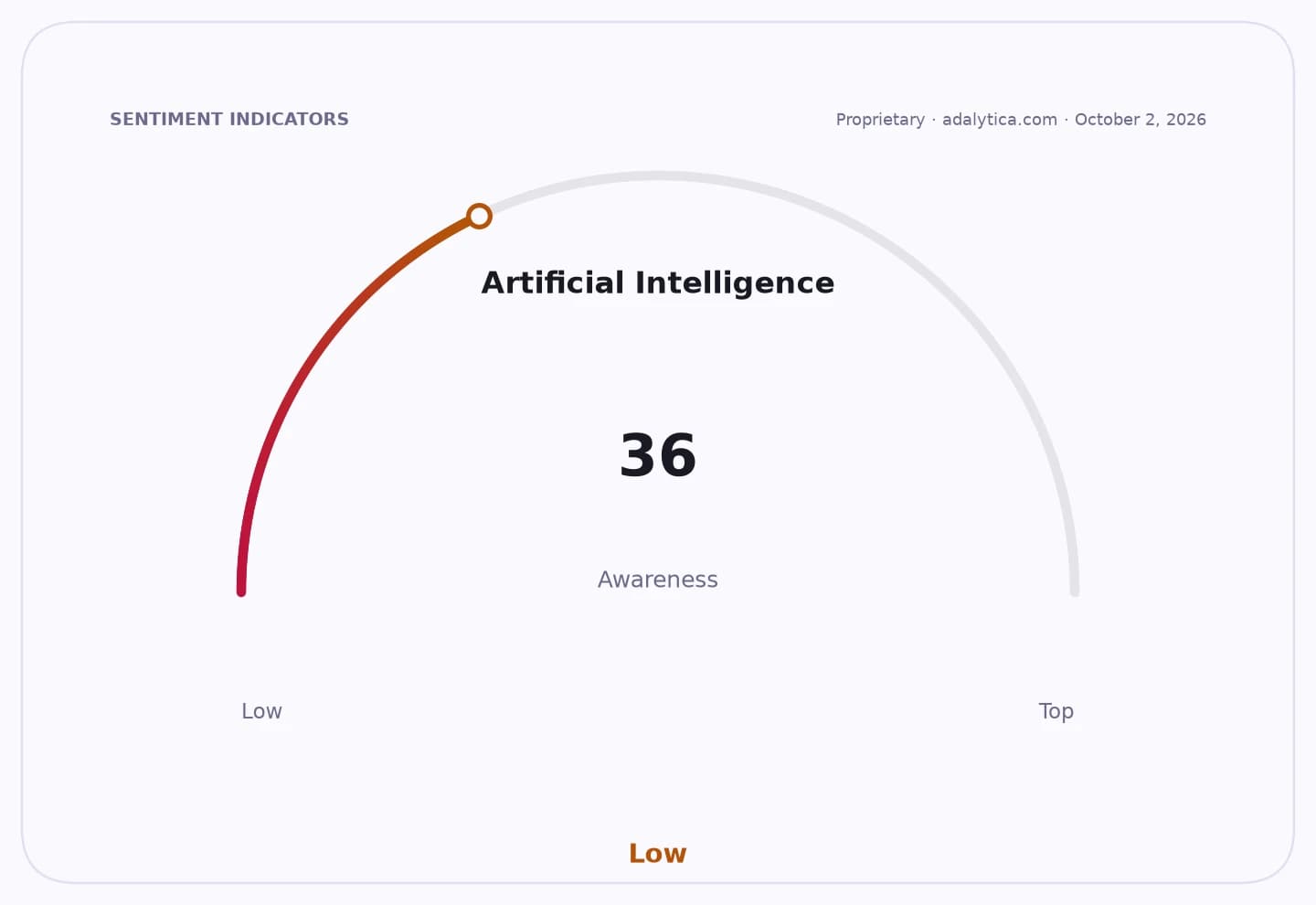
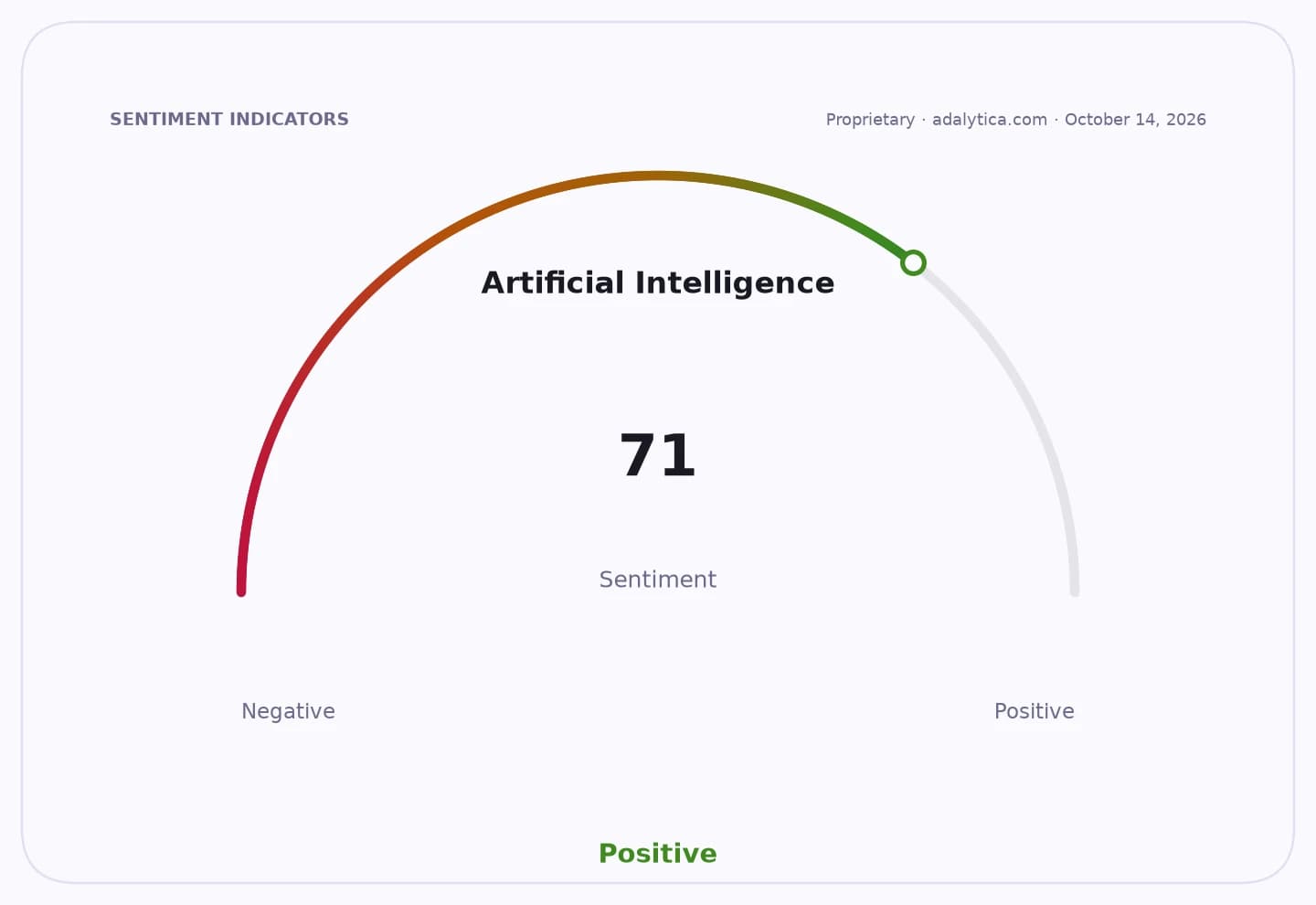
Sentiment IndicatorsⓘProprietary · adalytica.com · October 14, 2026
This is a snapshot — live sentiment, awareness and momentum for 130+ markets update continuously in the dashboard.Open AlphaPulse
The Nuix Neo Generative AI Framework sits on top of the company’s forensic data-processing platform and connects a customer’s chosen LLM to curated enterprise data with policy-enforced guardrails and audit-grade telemetry. In plain English, Nuix is saying customers do not have to bet on one model provider to use generative AI responsibly. They can pick the model they want, while Nuix handles the governance, data controls and workflow discipline that enterprises increasingly demand.
That flexibility is commercially important. Many large organizations want the productivity lift from Gen AI, but they also want to avoid handing a black box access to confidential material, legal evidence or internal investigations. Nuix is pitching itself as the layer that makes those deployments acceptable to compliance teams, legal departments and public agencies. The company said the framework supported Los Angeles County District Attorney’s Office, which can select the models best suited to its needs and integrate them into Nuix workflows.
Artificial Intelligence — 30-day sentimentadalytica.com
Explore this data interactively — full history, time series and cross-market comparisons.Open AlphaPulse
Nuix is also tying the launch to two product paths: Nuix Neo BYO AI, which applies repeatable workflows across every item in a dataset and produces structured reports with citations, and Nuix Neo AI Agent, an early-adopter conversational investigation tool. Both are built to help analysts interrogate text, metadata and images in a controlled environment.
For investors, this is the kind of product expansion that can matter more than a single release. Governance-heavy AI may not grab headlines the way consumer chatbots do, but it can be sticky, high-value software if customers adopt it deeply. The more a platform becomes embedded in investigations, legal review and risk management, the harder it is to rip out. That supports longer customer lifecycles and gives Nuix a better chance to monetize the AI transition without giving up its core forensic positioning.
The bigger backdrop is that enterprise AI adoption is moving from experimentation to procurement. Boards and regulators are asking tougher questions about privacy, accuracy, accountability and cost. The vendors that answer those questions well may be the ones that win budget. Nuix is making a clear bet that trust, not raw model size, will decide many enterprise deployments.
For long-term investors, the key question is whether Nuix can convert this positioning into durable demand across regulated industries. If it can, the Neo framework could become less a feature launch and more a bridge from traditional investigative analytics into the next generation of AI-enabled software. That makes it a development worth watching closely over the next several years.
| Entity | Gains | Losses |
|---|---|---|
| Nuix | ▲stronger enterprise AI pitch | ▼pure model vendors |
| Regulated customers | ▲auditable Gen AI workflows | ▼unmanaged AI deployments |
| LLM providers | ▲more enterprise distribution | ▼commoditized model-only use cases |
| Competitors in forensic analytics | ▲broader AI demand lifts category | ▼if Nuix wins workflow share |