Nuix has rolled out a generative AI framework aimed at one of the hardest commercial use cases for large language models: legal, risk and investigative work where auditability, data provenance and cost control matter as much as model quality.
Nuix launches Neo Generative AI framework
The Nuix Neo Generative AI Framework is designed to let customers plug in their own preferred LLM while keeping the model inside a governed layer built around forensic data processing, policy enforcement and telemetry. That matters because enterprises handling evidence, compliance reviews and sensitive investigations have been slow to adopt Gen AI, in part because they need defensible outputs and can’t afford runaway token bills.
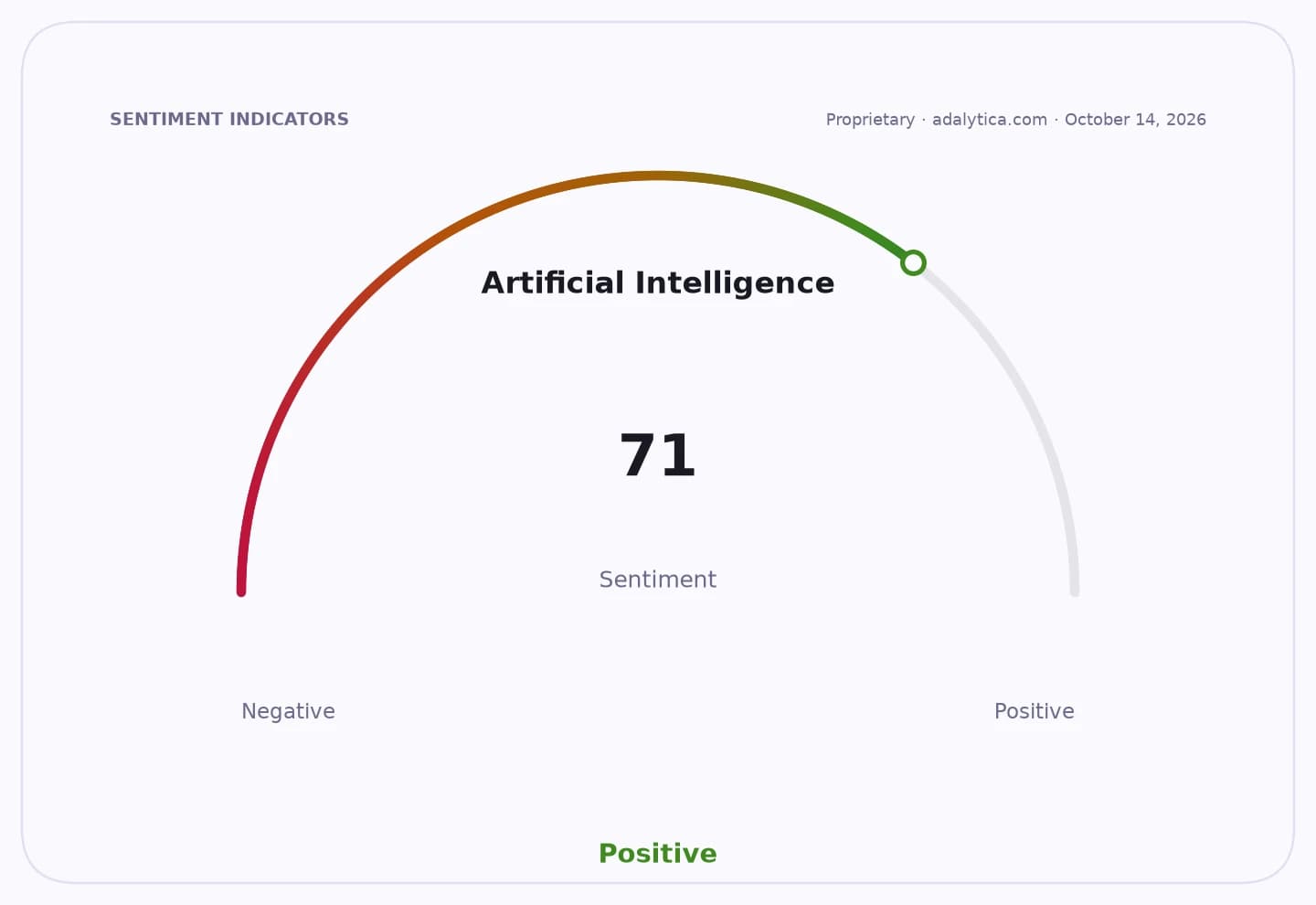
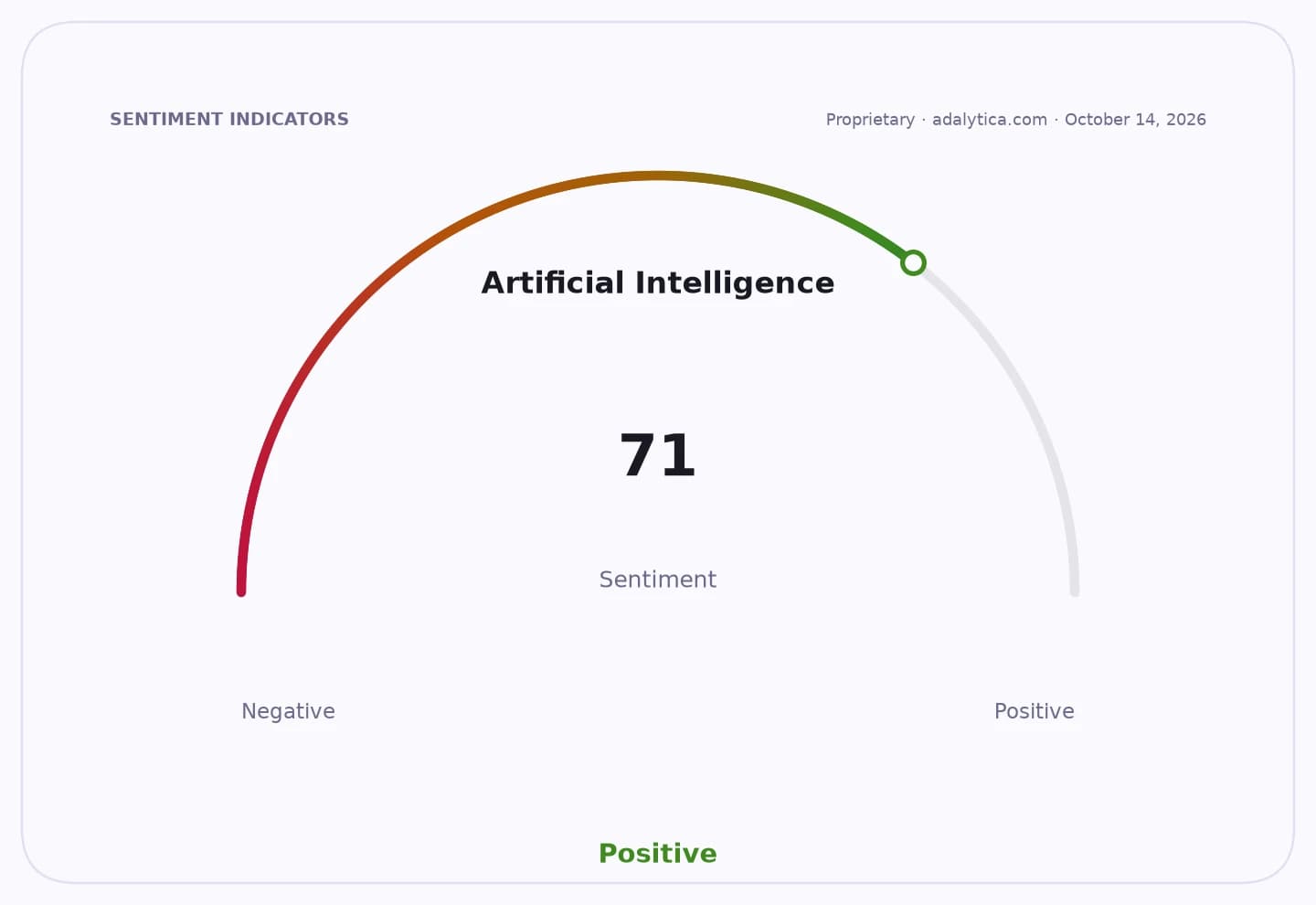
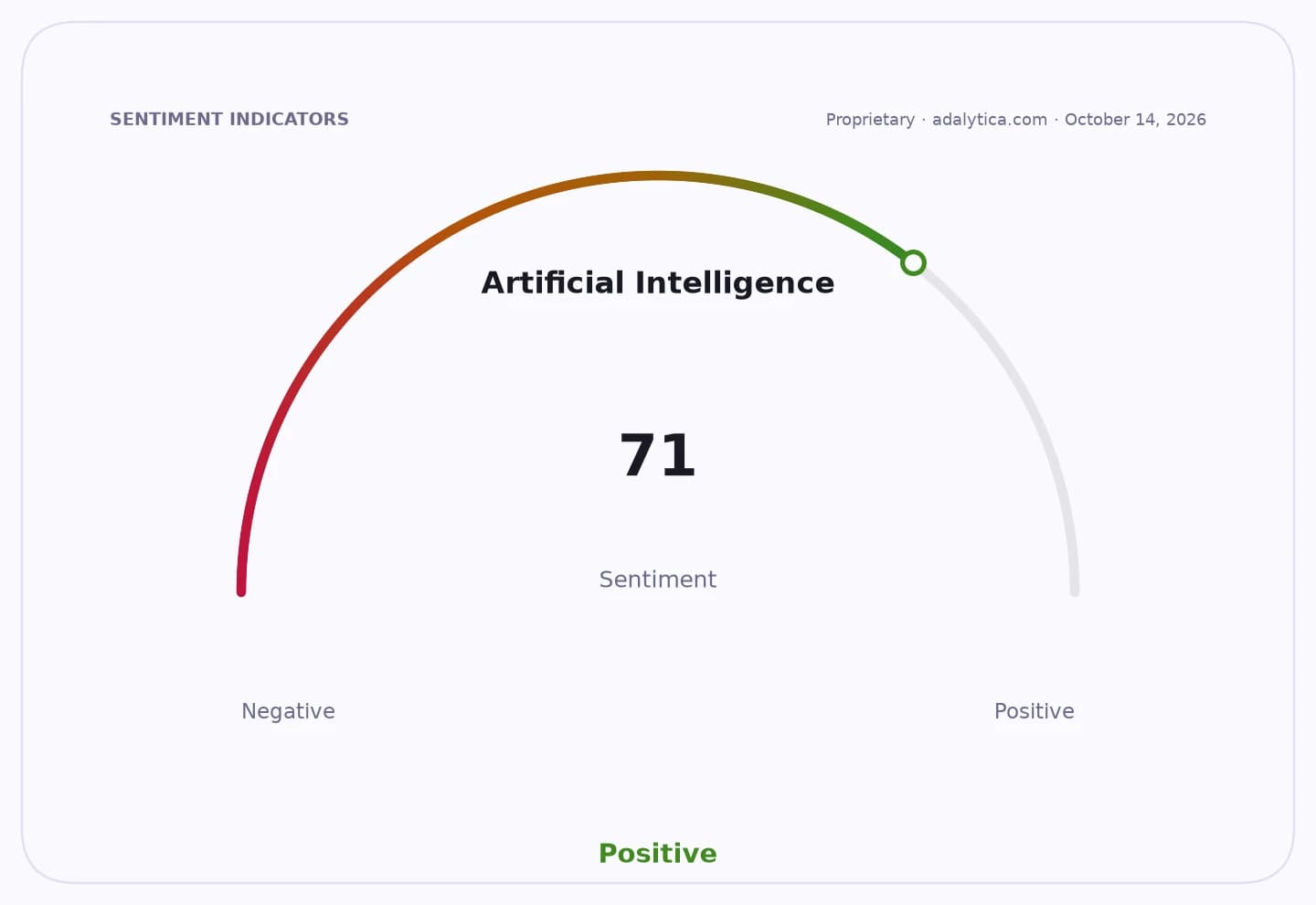
Sentiment IndicatorsⓘProprietary · adalytica.com · October 14, 2026
This is a snapshot — live sentiment, awareness and momentum for 130+ markets update continuously in the dashboard.Open AlphaPulse
Nuix said the framework connects selected models to enterprise data curated by its Nuix Neo platform, which it says is built on more than 25 years of R&D in unstructured data processing. The company is pitching the product as a way to preserve evidentiary integrity while giving customers flexibility to choose the provider that fits their own strategy and budget.
Two capabilities sit on top of the framework: Nuix Neo BYO AI and Nuix Neo AI Agent. BYO AI is built to run repeatable workflows across every item in a dataset, with links back to source material and citations. The AI Agent, now available to early adopters, lets analysts query text, metadata and images through an auditable interface tied to Nuix APIs and a curated knowledge graph.
The launch arrives as the market continues to reward AI software vendors that can show practical enterprise control rather than just model access. Investors have been favoring firms that position themselves around governance, security and workflow integration, especially as regulated buyers in legal and public-sector markets seek AI tools that can be deployed without sacrificing compliance.
Nuix pointed to the Los Angeles County District Attorney’s Office as an example of a customer that can choose its AI models and integrate them into Nuix Neo workflows. For investors, the key question is whether that positioning helps Nuix convert interest in enterprise AI governance into stickier usage and higher-value contracts, rather than leaving it exposed to broader competition from model providers and workflow software rivals.
The next catalyst is whether early adopters turn the framework into recurring deployments across investigations, e-discovery and compliance teams.
| Entity | Gains | Losses |
|---|---|---|
| Nuix | ▲enterprise AI demand | ▼plain-vanilla AI vendors |
| Regulated customers | ▲auditability and model choice | ▼ad hoc, ungoverned Gen AI |
| Investors in governance software | ▲clearer monetization path | ▼hype-driven AI names |
| Competitors without defensible data layers | ▲— | ▼share in legal/risk workflows |