Big Tech’s hunger for AI infrastructure is colliding with a semiconductor supply squeeze that Samsung Digital says could last for years, keeping pressure on chipmakers, cloud providers and data center builders even as industrial output and Treasury yields point to a still-sticky cost backdrop.
Nvidia, AMD Slide as AI Chip Squeeze Persists
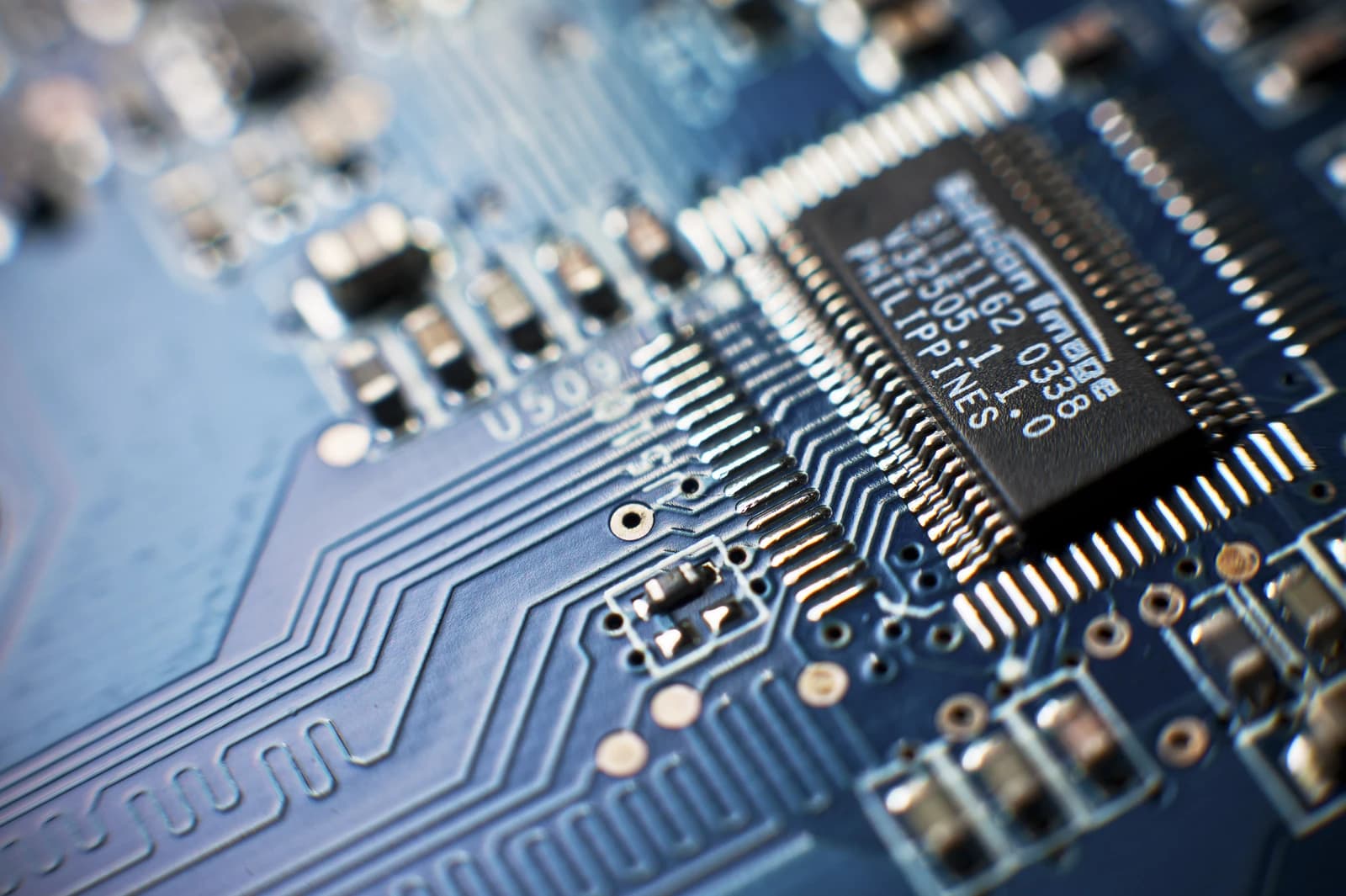
That matters because the AI buildout is no longer just a product cycle — it is becoming an industrial capacity story. Microsoft’s latest filing said its datacenters depend on the timely availability of critical hardware and that it continues to expand server capacity to meet demand for AI services, underscoring how cloud spending is now tied to access to chips, networking gear and power systems.
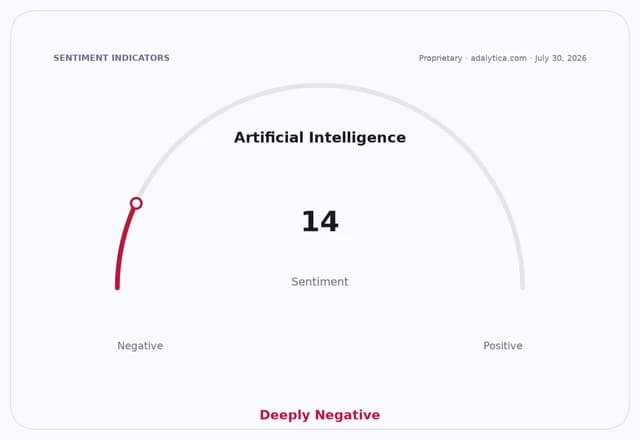
Sentiment IndicatorsⓘProprietary · adalytica.com · July 30, 2026
This is a snapshot — live sentiment, awareness and momentum for 130+ markets update continuously in the dashboard.Open AlphaPulse
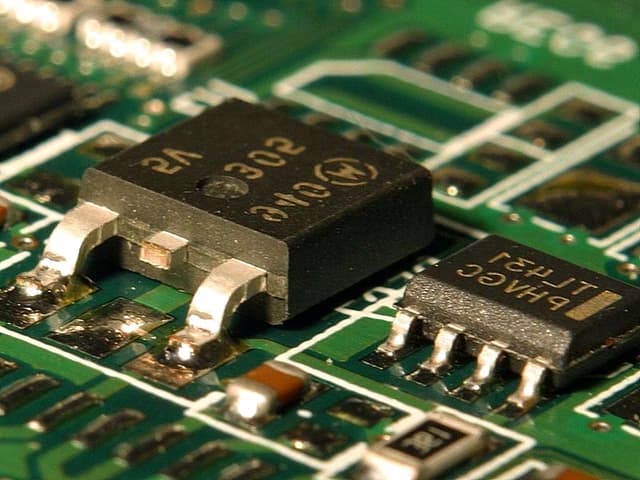
The market is already pricing that tension into the leading AI names. Nvidia shares have slid to $190.01 from a recent high above $235, while its 50-day moving average sits at $207.06 and its RSI has eased to 40.4, a sign of cooling momentum after a strong run. AMD has been hit harder, falling to $429.56 from $580.91 on June 30, with its RSI down to 29.1 and the stock now well below its 50-day average of $509.68.
For investors, the chip shortage is a double-edged setup. Suppliers can keep pricing power and backlog visibility longer than many expected, but buyers such as hyperscalers, server makers and AI-heavy software firms face higher capital intensity and the risk that growth gets pushed out rather than accelerated.
Super Micro Computer, a key server supplier to the AI trade, has also weakened sharply, dropping to $25.70 from $35.46 in late June as traders reassess how much of the AI boom can be converted into near-term revenue if component constraints linger. The stock’s RSI of 42.7 suggests the selloff has not yet fully exhausted itself.
The broader macro picture reinforces the supply-side story. U.S. industrial production is projected to edge up to 102.9436 in July, but the 10-year Treasury yield remains elevated near 4.61%-4.69%, keeping financing conditions tight for the data center and chip supply chain.
The next catalyst is earnings and guidance from the biggest AI spenders and suppliers, where investors will watch for any sign that procurement delays, capex timing and chip availability are starting to hit delivery schedules or margin assumptions.
| Entity | Gains | Losses |
|---|---|---|
| Nvidia, AMD | ▲Long-term chip demand | ▼Near-term momentum buyers |
| Microsoft, Big Tech cloud buyers | ▲AI capacity expansion | ▼Timely hardware access |
| Super Micro Computer | ▲Server demand visibility | ▼If component shortages linger |
| Samsung Digital, chip makers | ▲Pricing power | ▼Buyers facing supply constraints |