A new wave of local AI software is pushing large language models onto consumer gaming PCs, reinforcing demand for Nvidia, AMD and Intel hardware as users look to run models without sending data to the cloud.
Nvidia, AMD, Intel Gain From Local AI on Gaming PCs
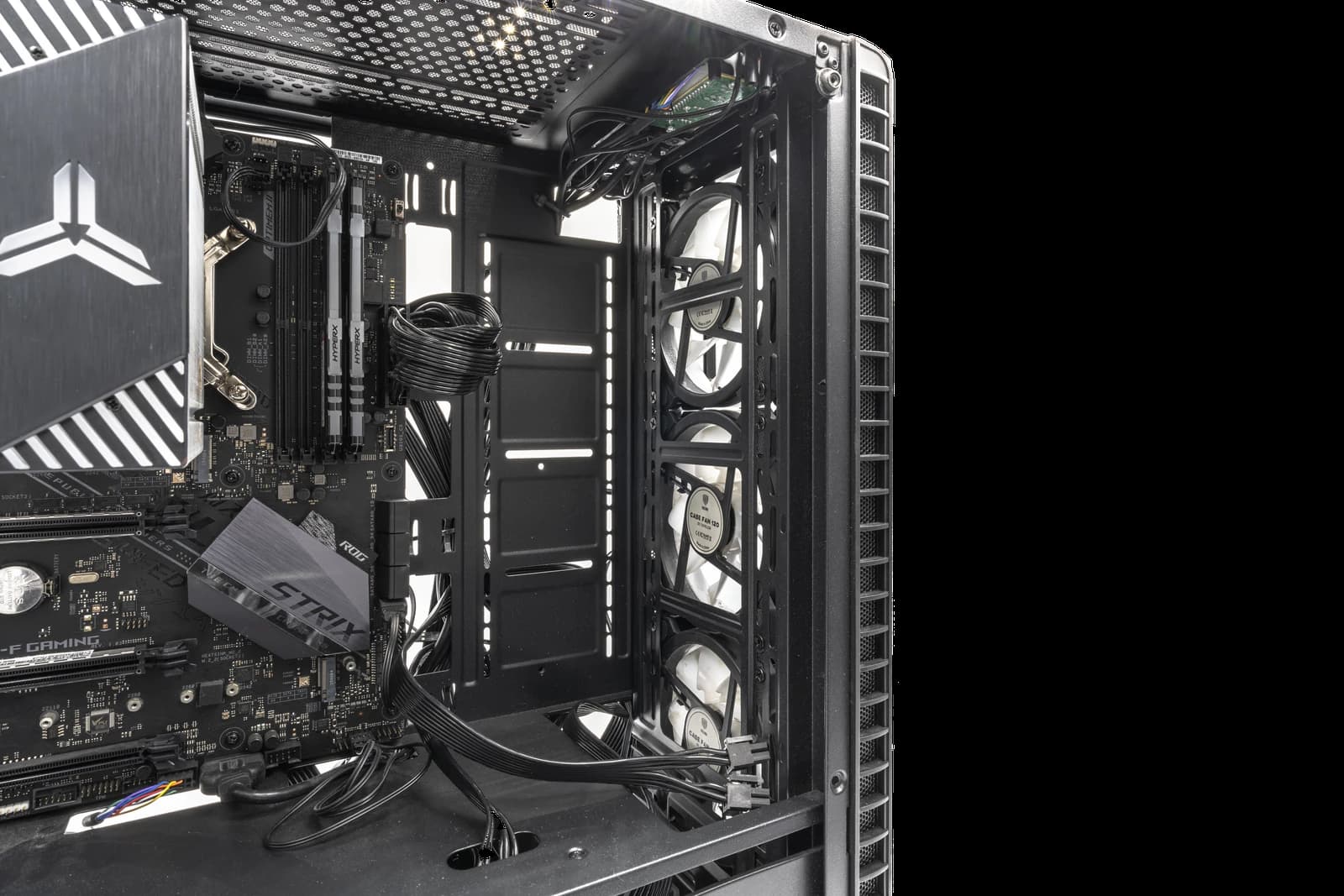
The setup centers on projects like Strata, which can run a 125-billion-parameter model on a desktop with about 32 GB of system RAM, 12 GB of VRAM and roughly 80 GB of storage. Strata uses a mixture-of-experts architecture and memory management tricks to treat VRAM as a cache, keeping only the most frequently used parts of the model on the GPU while loading the rest from RAM and SSD storage.
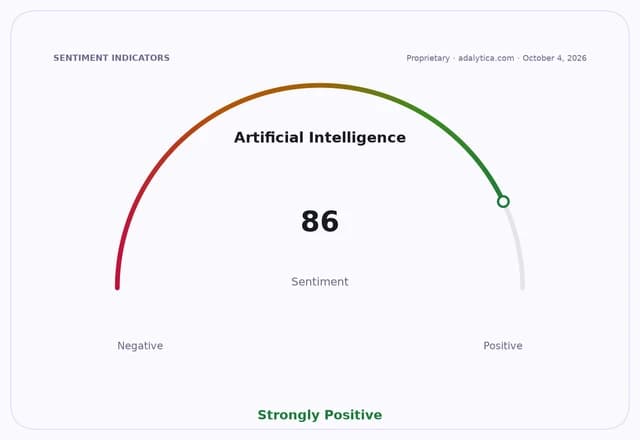
Sentiment IndicatorsⓘProprietary · adalytica.com · October 4, 2026
This is a snapshot — live sentiment, awareness and momentum for 130+ markets update continuously in the dashboard.Open AlphaPulse
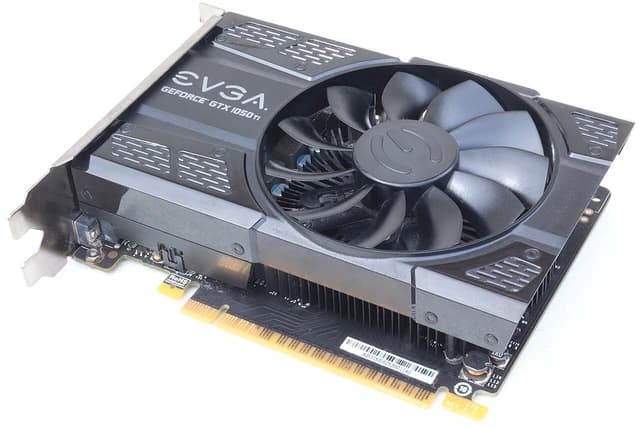
That shift matters economically because it broadens the addressable market for AI compute beyond hyperscale data centers and into the installed base of consumer PCs. If local inference becomes practical for more users, demand can spill into higher-end gaming GPUs, faster CPUs, more memory and larger SSDs — all categories where Nvidia, AMD and Intel compete for share.
The hardware requirements are still high by consumer standards, but they are far below the rack-scale setups usually associated with frontier models. Strata’s developers say an RTX 5070 with 12 GB of VRAM can generate about 50 to 90 tokens a second, depending on quantization, enough to make on-device experimentation usable for coding assistants, browser-based chat and other local tools.
Investors are already pricing that AI spillover into chipmakers. Nvidia shares were recently at $233.95, up from $228.38 two sessions earlier, while AMD rose to $633.91 from $611.76 over the same span. Intel, meanwhile, has traded at $119.33 after a sharp rebound from its summer lows, underscoring how anything tied to AI-enabled PCs and local inference remains a market catalyst.
The trend also fits a broader push toward autonomous AI agents and local privacy-preserving models, as vendors look for ways to reduce latency, cloud costs and dependency on remote servers. For chipmakers, the key question is whether local AI stays a niche hobbyist project or becomes a mainstream feature that upgrades the entire PC stack.
| Entity | Gains | Losses |
|---|---|---|
| Nvidia | ▲Higher GPU demand | ▼Cloud-only rivals |
| AMD | ▲Bigger PC AI use cases | ▼Entry-level PC makers |
| Intel | ▲CPU and platform upgrades | ▼Older hardware owners |
| Consumers | ▲Local privacy and lower latency | ▼Simpler, cheaper setups |