The biggest story in this earnings season is not just whether the tech giants beat quarterly estimates, but whether their extraordinary spending on artificial intelligence is still translating into durable growth for investors. For Tesla, Nvidia, Apple and Amazon, the market is watching a simple question with huge economic consequences: can these companies keep compounding earnings and cash flow while pouring billions into chips, data centers, factories and new products?
Nvidia, Apple, Amazon and Tesla Face AI Spending Test
That matters because these firms are not only among the largest weights in the S&P 500, they are also bellwethers for corporate investment, consumer demand and the health of the AI cycle. When they spend aggressively, it supports suppliers from chipmakers to cloud vendors and keeps capital flowing through the economy. When they slow, it can cool a whole chain of industries.
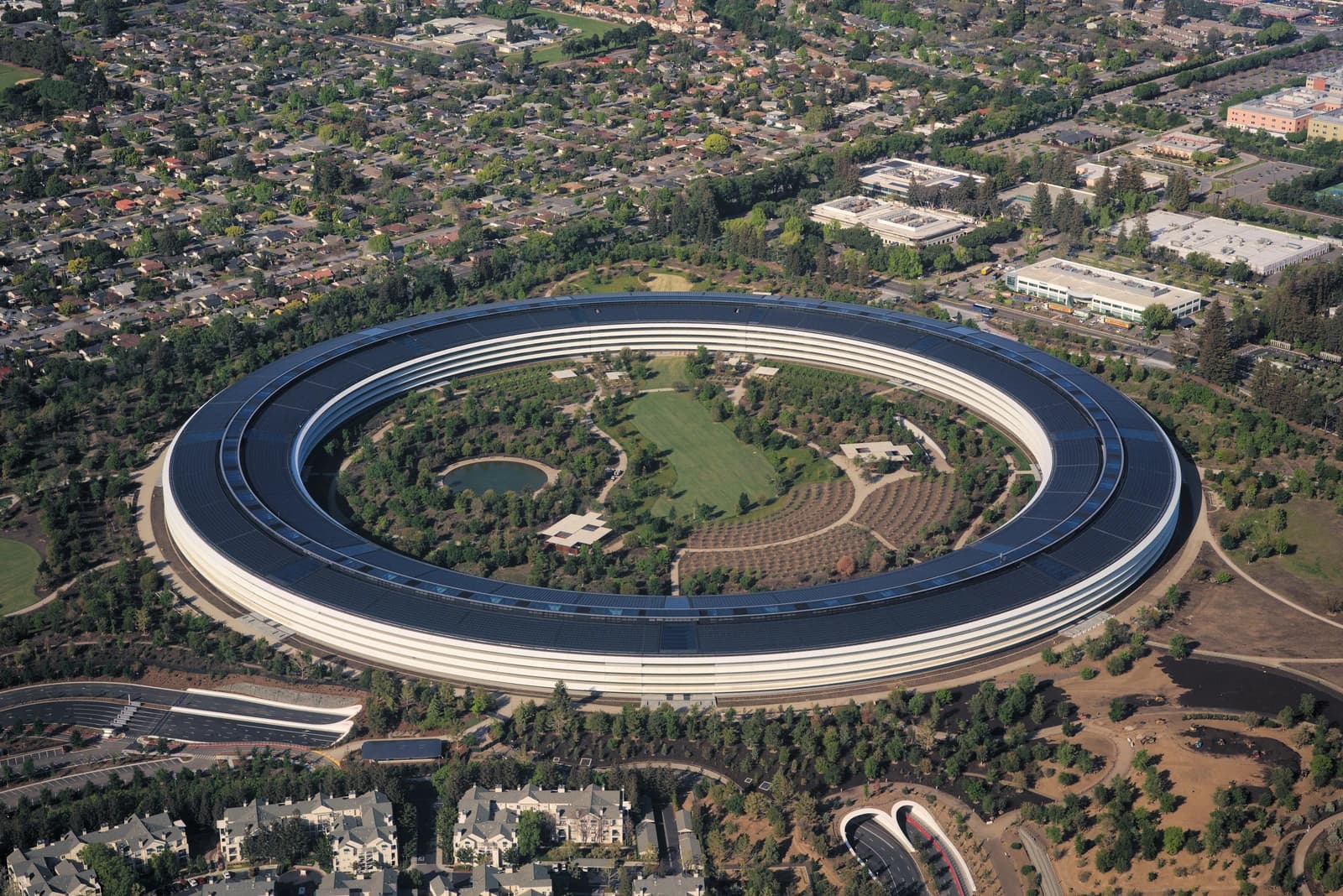
Sentiment IndicatorsⓘProprietary · adalytica.com · August 8, 2026
This is a snapshot — live sentiment, awareness and momentum for 130+ markets update continuously in the dashboard.Open AlphaPulse
Nvidia remains the clearest AI winner in the group. The stock has climbed back to $223.96, well above its 50-day moving average of $206.05, after a sharp recovery from July’s slide. Its RSI reading of 65.6 and positive MACD suggest momentum has improved again, but the real question for long-term investors is whether demand for AI accelerators can keep justifying that kind of valuation support. So far, the answer from the market has been yes, but only as long as hyperscalers and enterprises keep ordering at scale.
Apple is telling a different part of the same story. Shares recently traded at $313.33, above both the 50-day and 200-day moving averages, but the company’s own filings warn that supply constraints and rising component costs — especially for advanced semiconductors, NAND and DRAM — are getting tougher. That is important because Apple’s durability comes from its ecosystem and pricing power, but margin pressure from scarce components can still crimp profitability if demand for premium devices remains strong.

Amazon sits at the intersection of e-commerce, cloud and AI infrastructure, and its stock at $274.48 is also holding well above long-term trend lines. The company’s business benefits when consumers keep spending and enterprises keep migrating to AWS, yet it faces the same economic reality as the rest of the sector: the AI buildout is capital-intensive. Investors want to see that those investments turn into sticky cloud revenue and broader operating leverage, not just bigger bills.
Tesla is the outlier, and not in a good way. After a brutal drop to $328.58 from recent highs above $460, the stock remains below its 50-day and 200-day moving averages, and its RSI of 34.9 shows the shares are still under pressure. That matters because Tesla is no longer being judged solely on vehicle sales; investors are treating it as a long-duration bet on autonomy, robotics and software margins. For now, the market is demanding proof, not promises.
The broader backdrop still favors the biggest names. Adalytica’s S&P 500 trade signals show “Extreme Greed,” while the U.S. dollar has also flashed “Extreme Greed,” a reminder that optimism is broad but not cheap. In that environment, investors are usually willing to pay up for companies with real moats, but they also become less forgiving if growth slows or costs rise.
For long-term investors, this earnings season is a test of whether the tech leaders can keep turning scale into compounding returns. Nvidia and Amazon are tied most closely to the AI infrastructure boom, Apple is proving whether premium hardware can hold its margin edge, and Tesla needs a cleaner path back to operational credibility. The lesson is the same across all four: the winners in this cycle will be the companies that convert spending into sustained free cash flow. Worth watching, but still best owned with patience.
| Entity | Gains | Losses |
|---|---|---|
| Nvidia | ▲AI-chip demand | ▼valuation skeptics |
| Apple | ▲premium ecosystem strength | ▼component suppliers under pressure |
| Amazon | ▲cloud and AI spend | ▼margin-only bulls |
| Tesla | ▲long-term turnaround believers | ▼momentum traders |