Quantum X Labs says it has taken a meaningful step toward making large-scale cancer and biomarker analysis faster, cheaper and more scalable by using an NVIDIA GPU to slash the time needed to comb through billions of gene combinations.
NVIDIA GPU speeds Quantum X gene analysis test
That matters because genomics is increasingly a computing problem as much as a biology problem. In cancer research, drug discovery and patient stratification, researchers often face tiny patient sets and enormous numbers of variables. The faster those combinations can be tested, the more practical it becomes to turn messy clinical data into usable signals for future trials, diagnostics and targeted therapies.
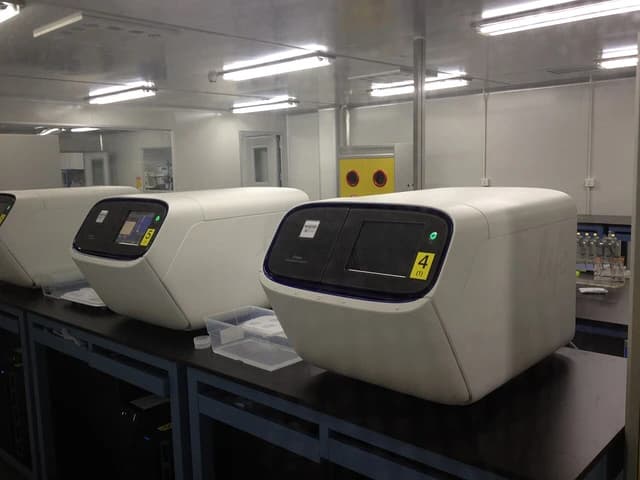
In its latest test, the company said a dataset of just 11 patients and 3,531 gene-expression features produced 7.3 billion possible three-gene combinations. On a 64-core CPU setup, the full analysis took about 8.4 hours. With a single NVIDIA T4 Tensor Core GPU on AWS, the same work fell to roughly half an hour, a 16.8-fold speedup, while identifying the same 22.2 million qualifying gene triplets.
For investors, the most important takeaway is not that Quantum X has solved cancer research. It hasn’t. The company itself said the test measured computing performance, not clinical usefulness or predictive power. But it does show why NVIDIA’s chips have become the picks and shovels of modern AI and bioinformatics: when workloads explode combinatorially, raw GPU throughput can be the difference between an experiment that stalls and one that scales.
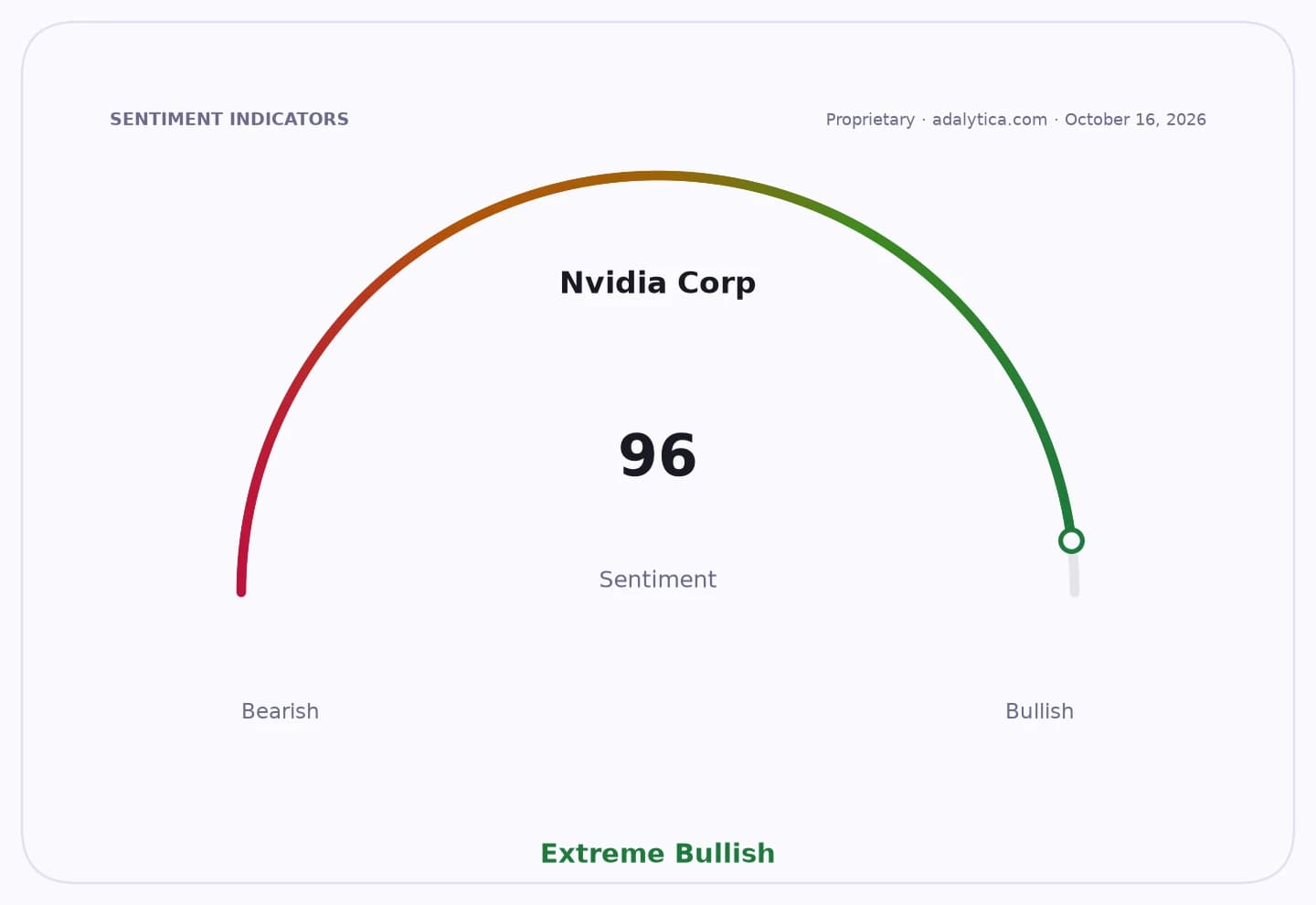
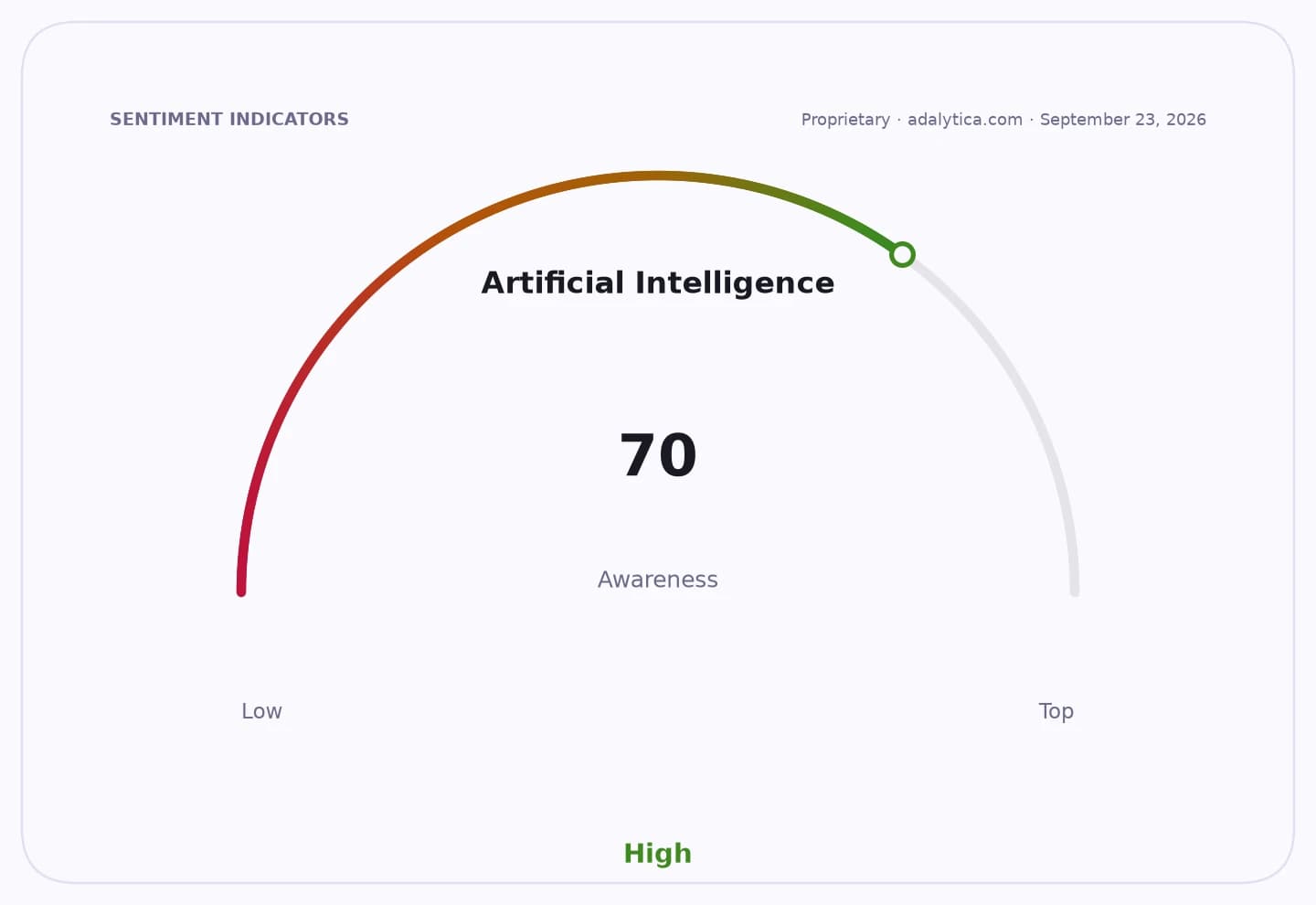
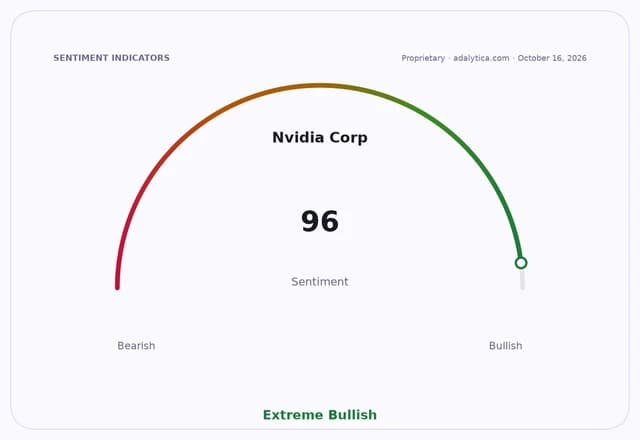
The result also fits a bigger long-term theme. Healthcare, life sciences and drug discovery are moving deeper into AI-assisted workflows, and those workloads need specialized hardware, cloud infrastructure and software that can handle high-dimensional data. That’s where NVIDIA keeps finding new end markets, even as investors debate the stock’s valuation and the durability of its rally. Technical readings in the shares still show the stock has been volatile in recent weeks, but the broader demand story remains intact.
Quantum X said the work was run on AWS using IBM Qiskit Aer for GPU-based quantum simulation alongside the NVIDIA T4, underlining how today’s “quantum” and AI narratives increasingly overlap with conventional accelerators. The company said it plans to extend the approach to bigger biomedical datasets, more complex multi-feature searches and, eventually, real quantum hardware.
The near-term risk is obvious: speed does not equal clinical validity, and early-stage computational demonstrations often overpromise. But if Quantum X can keep improving its algorithms, the combination of AI, genomics and GPU acceleration could become a real long-duration growth lane. For long-term investors, the story is less about a single test and more about the ongoing shift toward compute-intensive medicine — a trend worth watching, and one that continues to support the case for NVIDIA as a foundational AI infrastructure stock.
| Entity | Gains | Losses |
|---|---|---|
| Quantum X Labs | ▲Faster platform development | ▼Clinical validation burden |
| NVIDIA | ▲More demand for GPUs | ▼CPU-only workflows |
| Biotech researchers | ▲Shorter analysis times | ▼Manual bottlenecks |
| CPU-only competitors | ▲Less relevance in heavy workloads | ▼Speed advantage to GPUs |