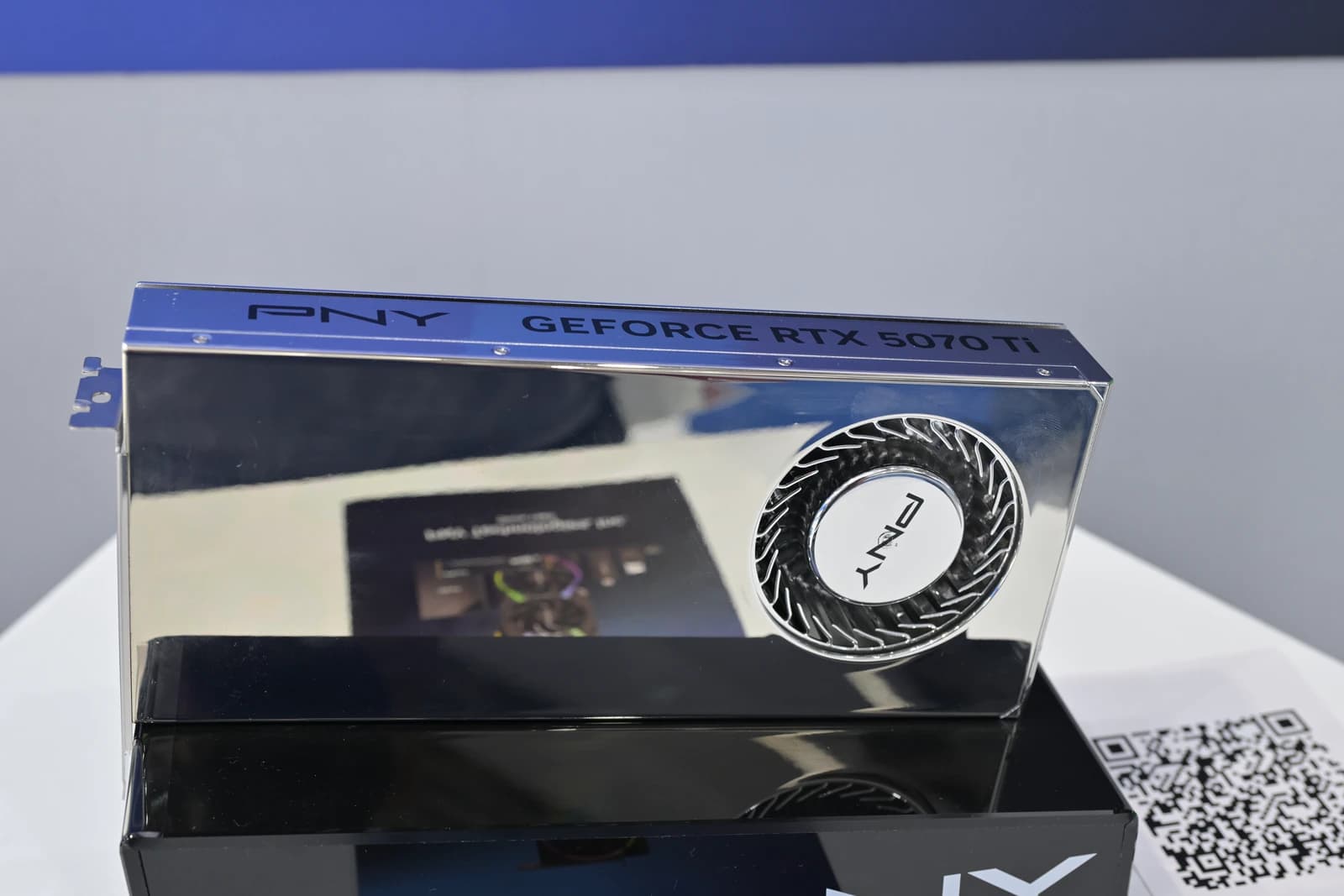
Nvidia is under fresh legal and political pressure after investigators in Malaysia began probing whether affiliates of Megaspeed helped move Nvidia semiconductors to China, putting Jensen Huang’s China-related business ties back at the center of the U.S.-China chip fight.
Nvidia Faces Malaysia Probe Over Chip Shipments

The investigation matters because it strikes at one of Nvidia’s most important growth markets and at the enforcement of U.S. export controls that increasingly define the semiconductor sector. Any finding that Nvidia-linked channels were used to route restricted chips into China could bring tighter oversight, tougher licensing, and more friction for a company whose valuation depends on sustained AI-chip demand.
Sentiment Indicators

The issue has already escalated beyond Malaysia. U.S. lawmakers have opened a congressional probe after allegations that a suspected Chinese spy used a company linked to Huang to facilitate unauthorized shipments, and Nvidia has launched its own independent investigation. The overlapping inquiries raise the chance that what began as a supply-chain compliance issue becomes a broader reputational and regulatory problem.
For investors, the timing is especially sensitive. Nvidia shares have fallen to $162.85 on Nov. 13 from $221.97 on Oct. 21, with the stock’s 50-day moving average sliding to $214.63 and its 200-day average at $203.92, while RSI has dropped to 19.1, a level that typically reflects heavily oversold conditions. The company’s Adalytica earnings sentiment gauge is also at 4.0, labeled “Extreme Fear,” even as awareness remains at 100, showing the story is dominating market attention.
The probe also lands as Washington and Beijing remain locked in a wider technology dispute ahead of the Trump-Xi meeting at the APEC forum. That gives the Nvidia case outsized leverage as a symbol of how difficult it remains to police advanced-chip flows while keeping the AI boom intact.
Broader sector implications are clear: stricter scrutiny would benefit competitors less exposed to China and hurt suppliers, resellers and customers dependent on Nvidia’s cross-border channel. The next catalyst is likely to be findings from the Malaysian and congressional probes, along with any response from U.S. regulators or Chinese authorities.
| Entity | Gains | Losses |
|---|---|---|
| U.S. regulators | ▲stronger enforcement leverage | ▼slower chip trade |
| Nvidia competitors | ▲less China-related scrutiny | ▼less direct benefit from AI demand |
| China chip buyers | ▲none | ▼tighter access to advanced Nvidia chips |
| Nvidia shareholders | ▲possible oversold rebound | ▼regulatory overhang and headline risk |