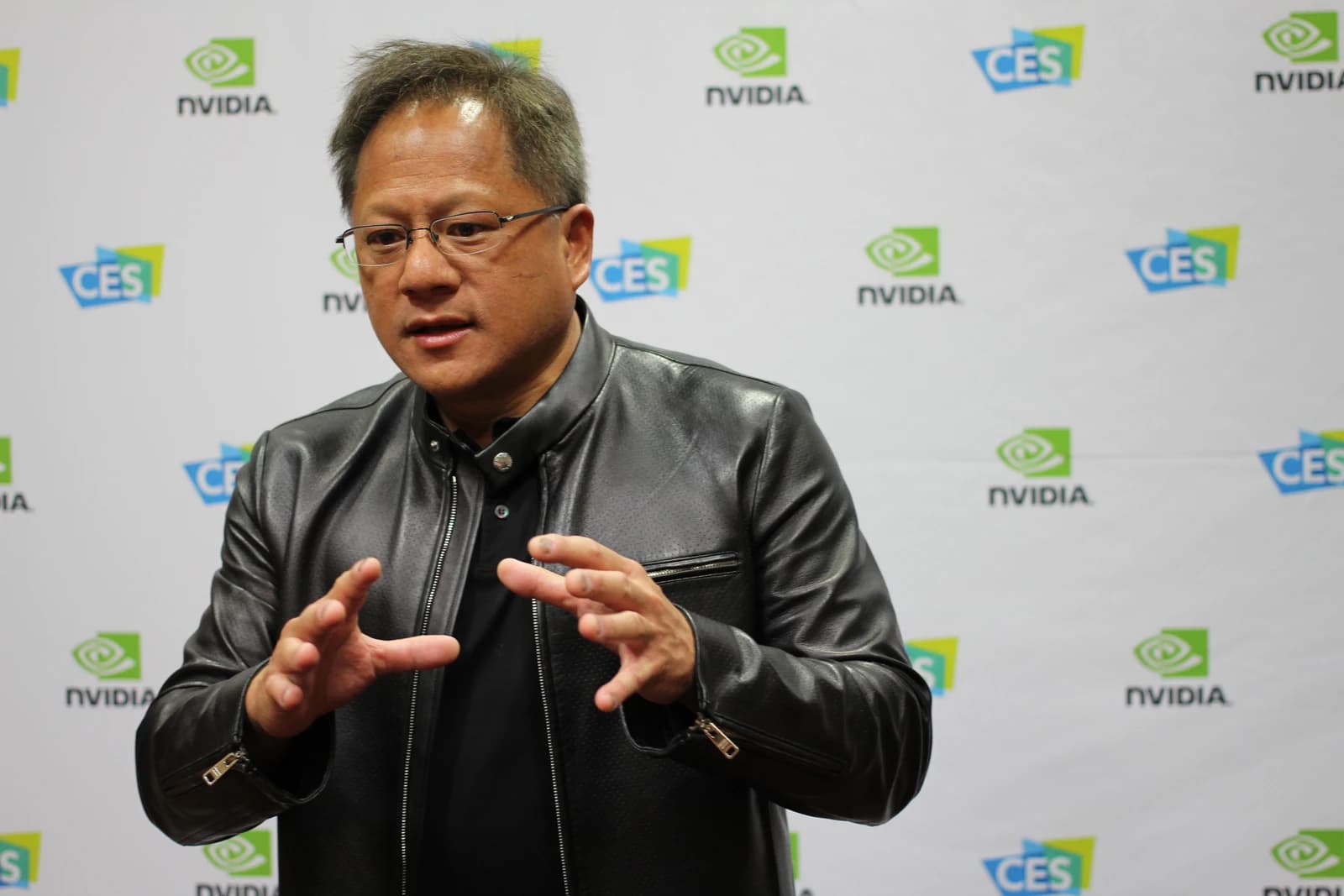
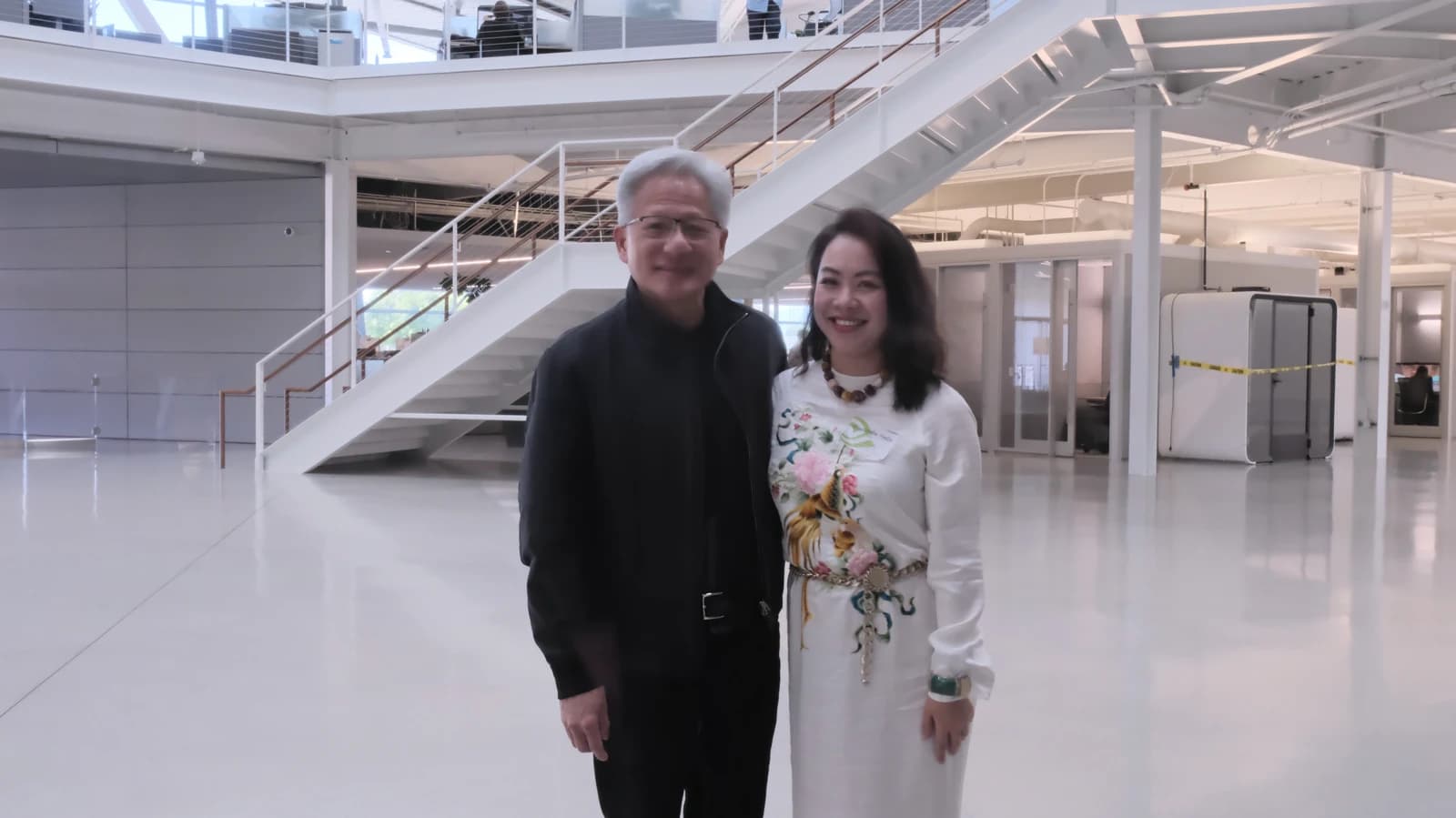
Nvidia is facing a fresh governance and national-security test after reports that U.S. officials suspect CEO Jensen Huang had links to Alice Huang, the Megaspeed executive Washington considers an agent of China’s Ministry of State Security.
Nvidia faces U.S. scrutiny over China links
The allegations matter because they land at the intersection of export controls, access to advanced AI chips and the political pressure surrounding Nvidia’s China business. For a company that sits at the center of the global AI supply chain, even the appearance of a foreign-intelligence angle can complicate licensing, intensify congressional scrutiny and make every China-related decision more expensive in reputational and regulatory terms.
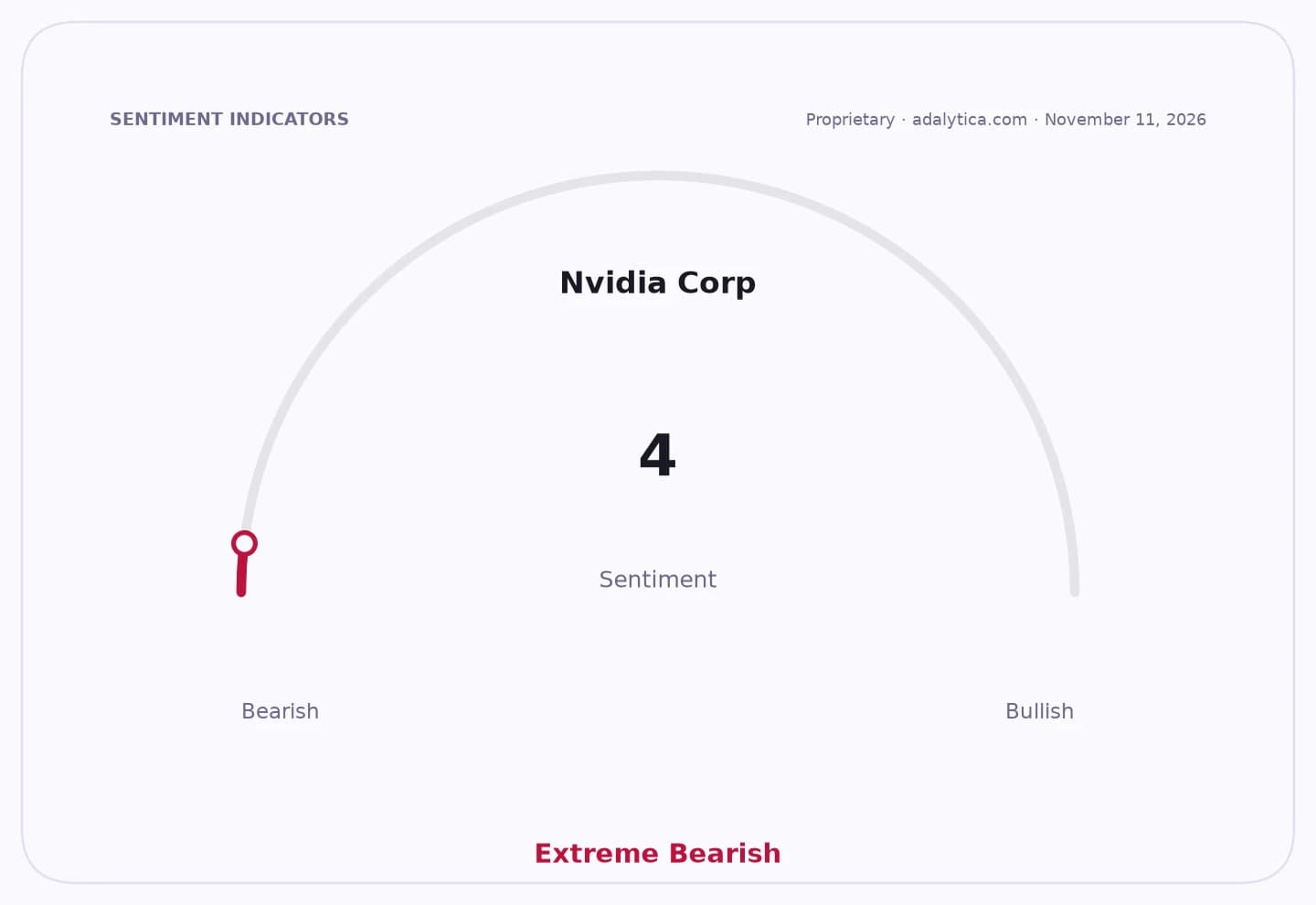
Sentiment Indicators
The New York Times reported on Nov. 7, citing a memo circulated among Trump administration officials, that U.S. intelligence believed China had mounted an operation to recruit a woman to collect information on Huang and potentially pressure Nvidia over exports of advanced AI chips. That would put the company in the middle of a broader contest over semiconductor access, where Washington has already used export controls to slow China’s acquisition of high-end accelerators.
Nvidia in 2022 was barred from shipping certain advanced processors, including the A100 and H100, to China and Russia. In January, the administration approved exports of powerful AI chips such as the H200 to China on condition Nvidia could maintain sufficient supply for other customers. That narrow reopening underscores how dependent the company remains on policy decisions that can change quickly as the U.S. tightens or relaxes controls.
The latest allegations also revive questions about how Nvidia manages business development in a market where commercial relationships can overlap with state-linked interests. Megaspeed, introduced by Huang at a Taipei event in 2024, reportedly agreed to a multibillion-dollar purchase of advanced AI chips and has built data centers in Southeast Asia while renting computing capacity to Alibaba. That makes it a strategically important customer, but also one that sits close to the China technology ecosystem that Washington views with suspicion.
Nvidia has said Huang’s interactions with Alice Huang were routine business meetings and that clients do not ask the company to influence U.S. export policy. China’s embassy dismissed the reports as baseless. Still, the political risk is real: House Republicans plan a closed briefing with Huang later this month, showing the matter has already moved beyond media allegations into the congressional arena.
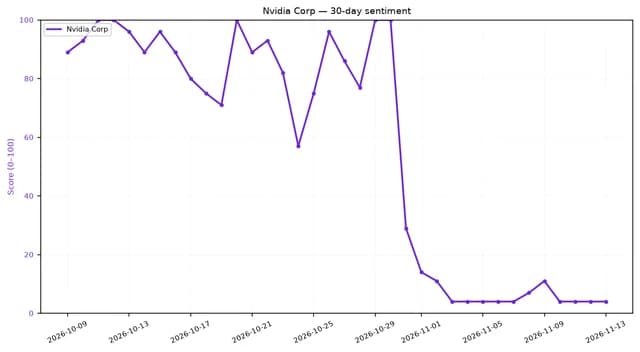
Investors are reacting to more than just a personal scandal. Nvidia shares have come under pressure amid the reports, and the stock has already fallen sharply from its recent highs. In technical terms, it has slipped well below its 50-day and 200-day moving averages, and its relative strength index is deep in oversold territory, a sign that the market is pricing in elevated uncertainty rather than just a one-day headline risk.
The bigger issue is whether the controversy complicates Nvidia’s ability to navigate U.S.-China tech decoupling while preserving its dominance in AI infrastructure. Bulls will argue the company’s fundamentals remain intact and that the allegations do little to alter demand for its chips. Bears will point to the combination of export scrutiny, geopolitical sensitivity and leadership distraction as a reason for a higher risk premium.
For now, the key catalyst is not whether the allegations are proven in court or public record, but whether they trigger stricter oversight of Nvidia’s China relationships or make regulators more reluctant to grant future chip export permissions. For investors, that means the story is less about a tabloid-style scandal than about whether Nvidia’s most valuable growth market becomes even harder to access.
| Entity | Gains | Losses |
|---|---|---|
| U.S. regulators | ▲More leverage over chip exports | ▼Political pressure to prove vigilance |
| Nvidia | ▲Short-term clarity if cleared | ▼Reputational and policy risk |
| China-linked customers | ▲Continued access if approvals hold | ▼Higher scrutiny and disruption risk |
| Investors | ▲Potential buying opportunity on weakness | ▼Higher volatility and valuation discount |