The economics of AI chips are shifting from a race to pack more high-bandwidth memory into each accelerator to a broader contest over how efficiently the entire system can reuse memory, storage and compute. That matters because it could change how much HBM Nvidia, Microsoft and their suppliers ultimately need to buy, even as near-term demand remains tight and geopolitics adds fresh uncertainty.
Nvidia, Microsoft Push AI Memory Efficiency Shift
Nvidia has become the clearest marker of the change. In a recent technical note, the company described an inference architecture that pushes inactive conversational context out of HBM into lower-power DRAM or shared storage tiers, then pulls it back only when needed. It is an effort to manage the ballooning “KV cache” more intelligently rather than simply adding more expensive memory. Nvidia said one comparison of its next-generation Vera Rubin platform implied up to 30 times higher throughput per dollar versus Blackwell Ultra, even though HBM capacity per GPU rose only about 3%. The figures are company-specific and test-dependent, but the direction is clear: the company wants to maximize output from the same memory pool.
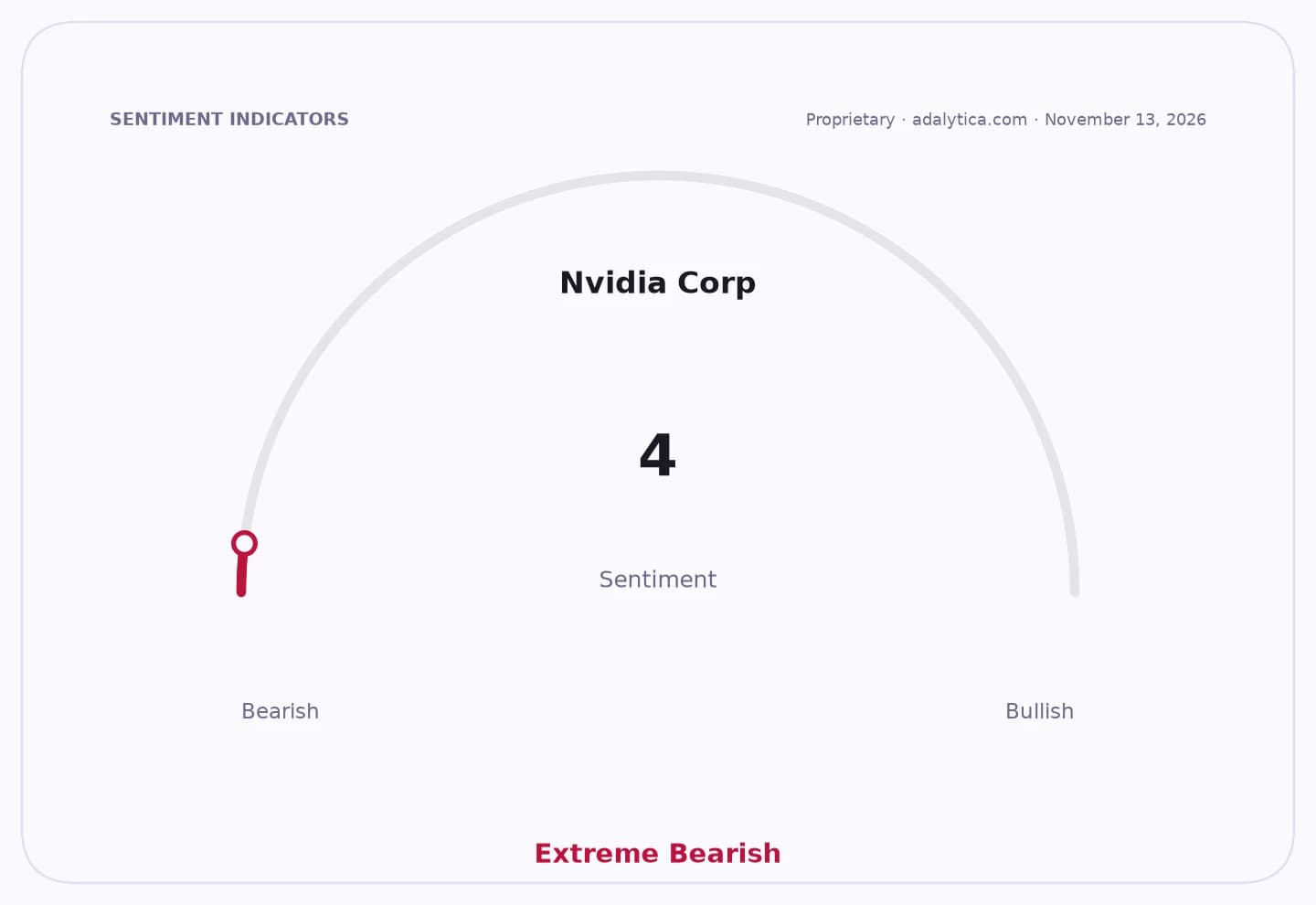
Sentiment Indicators

Microsoft’s Maia 300 shows the other side of the same trend. The chip was designed around a tighter integration of SRAM, HBM, networking and rack-level systems, and yet it also raises HBM intensity, using eight HBM4 stacks and 288 gigabytes per accelerator, 33% more than Maia 200. The lesson is not that HBM is going away. It is that “efficiency” is increasingly defined by what the full AI stack can do with each byte, not by reducing memory use alone.
That distinction matters for Samsung Electronics and SK Hynix, whose HBM lines are still running flat out. SK Hynix said a CXL-based remote DRAM pool cut average time to first token in a repeated inference test to 15.45 seconds from 80.76 seconds when cache had to be rebuilt. In other words, memory outside the GPU can improve user experience and system throughput, which may expand overall AI workloads even if it lowers the HBM required per request. For memory vendors, the bullish case is that cheaper or more efficient inference unlocks more usage and keeps aggregate demand rising. The bearish case is that if customers squeeze more work out of existing silicon, the growth rate in HBM orders eventually cools.
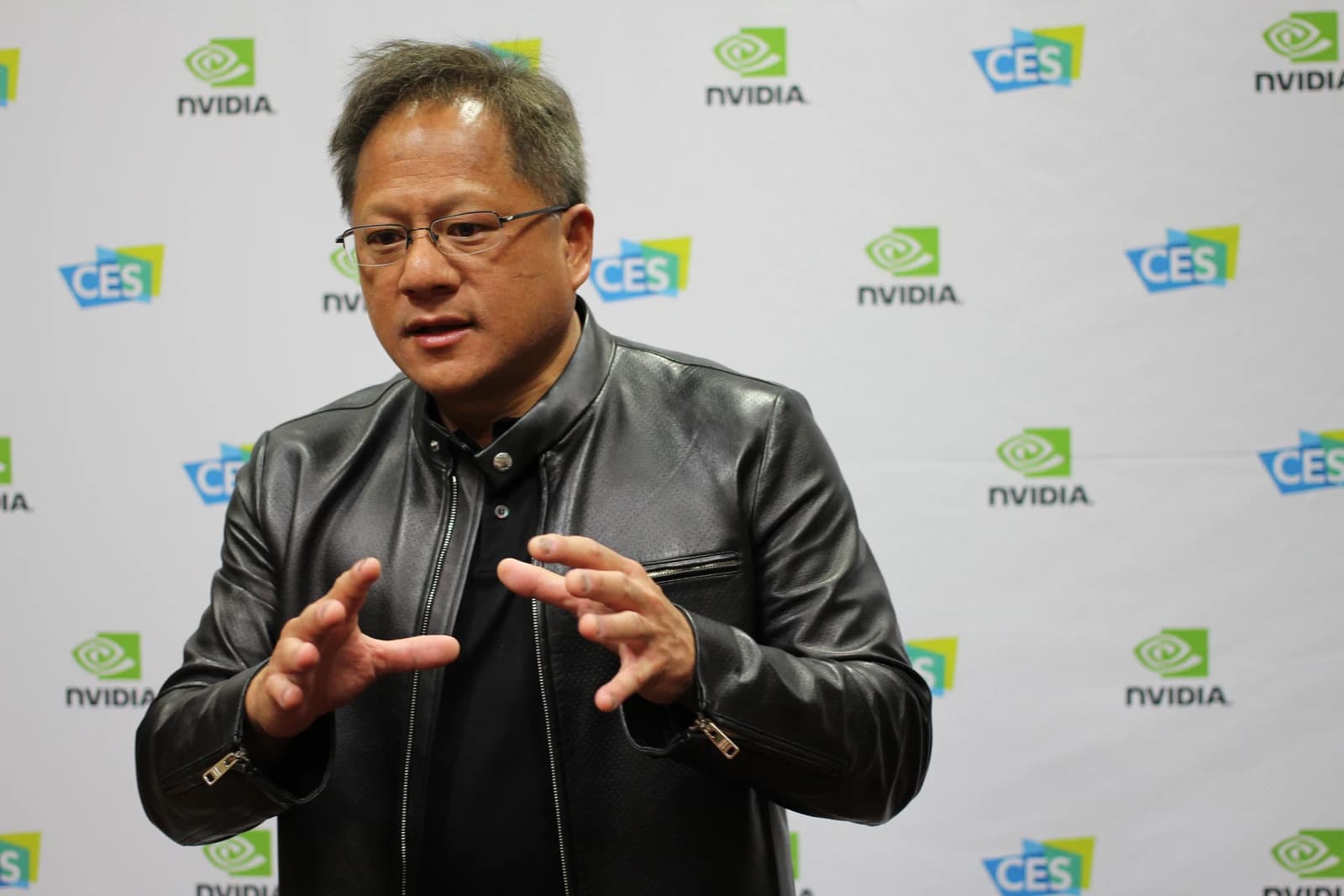
That debate is now colliding with leadership and policy risk at Nvidia, the anchor buyer in the AI supply chain. Jensen Huang’s abrupt departure as chief executive has raised questions about strategy, capital allocation and long-term purchasing plans, although Nvidia’s latest quarterly filing showed supply and production commitments had risen to $390 billion from $279 billion in the prior quarter. That increase suggests the company is still locking in a huge amount of component capacity, much of it likely tied to memory and other long-lead parts.
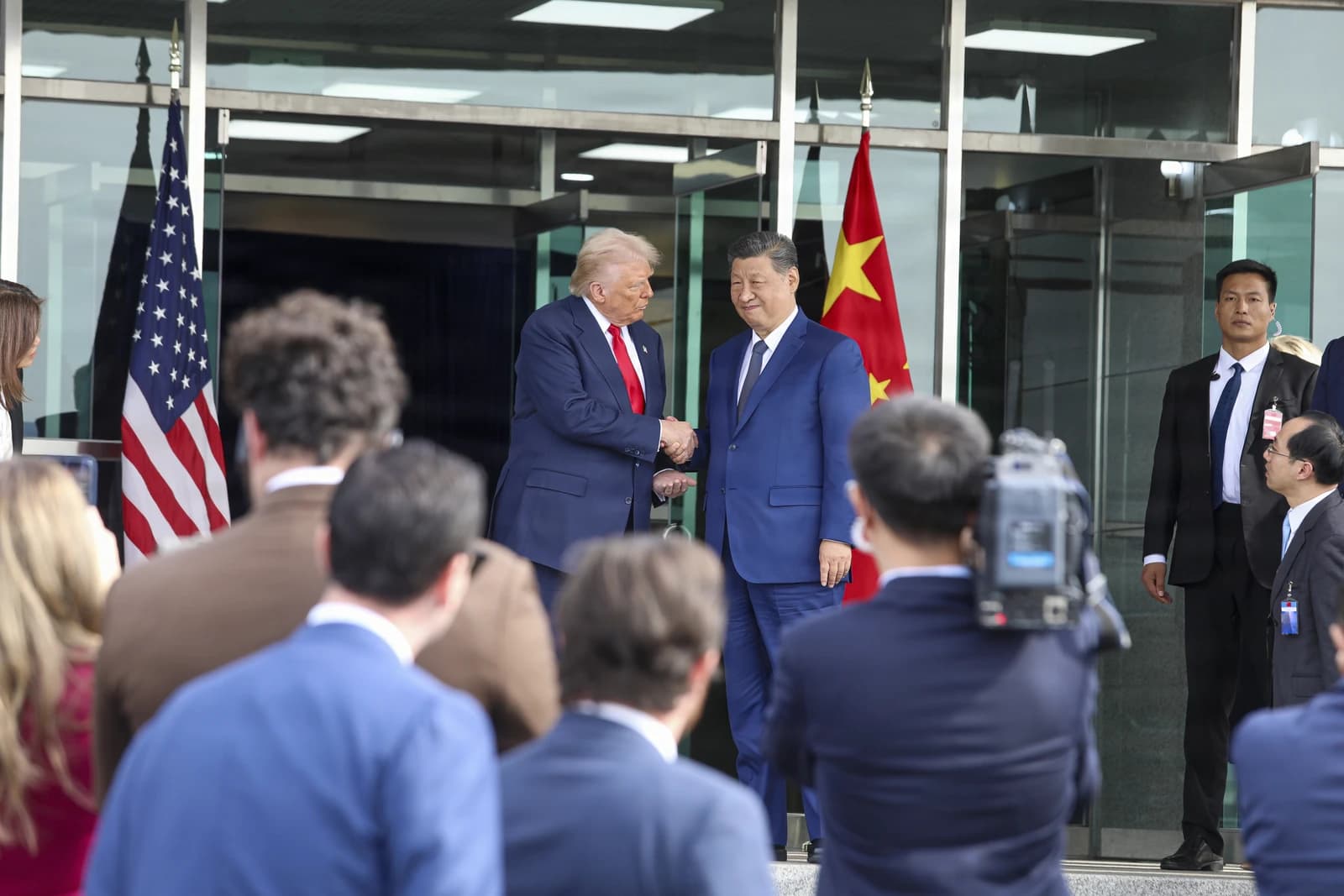
The bigger swing factor may be regulation. The U.S. Commerce Department’s Bureau of Industry and Security last week tightened rules on overseas data centers that use American advanced chips to serve Chinese AI workloads, while also requiring licenses for exports to several countries including Malaysia, Thailand, Singapore and Brazil. Nvidia said it sold $2.4 billion of licensed Hopper data center products to China in the third quarter, but excluded China data center computing revenue from its fourth-quarter outlook and said shipments of licensed Hopper products to China had stopped. That combination could soften some demand in the near term and reduce pricing power for memory suppliers if server buildouts slow.
Still, a full demand reset looks premature. AI data centers and high-performance computing clusters are still expanding, and there is no direct substitute for HBM at the performance level current systems require. The more likely outcome is a slower and more complex demand curve: one in which system designers keep stretching memory efficiency, governments keep narrowing where chips can be used, and suppliers are forced to rely more on non-China infrastructure growth to absorb capacity.
For investors, the key question is no longer whether HBM is in shortage today. It is whether the next phase of AI spending will be driven by more chips per server, more memory per chip, or more efficient reuse of the same memory across more workloads. Nvidia, Microsoft, Samsung Electronics and SK Hynix all stand to benefit if efficiency expands the total AI market. If it merely substitutes lower HBM content for new demand, the winners will be system architects and cloud buyers, while memory makers face a slower pricing cycle.
| Entity | Gains | Losses |
|---|---|---|
| Nvidia | ▲Higher throughput per dollar | ▼Less HBM intensity per chip |
| Microsoft | ▲Better inference efficiency | ▼Higher system complexity |
| Samsung & SK Hynix | ▲Continued tight HBM supply | ▼Potential pricing pressure |
| Cloud buyers | ▲Lower compute cost per request | ▼Greater regulatory and strategy uncertainty |