AI’s biggest listed beneficiaries are still attracting capital, but the debate around whether advanced models could become unmanageable is turning into a market variable, not just a philosophical one.
Nvidia, Microsoft Face AI Regulation Risk

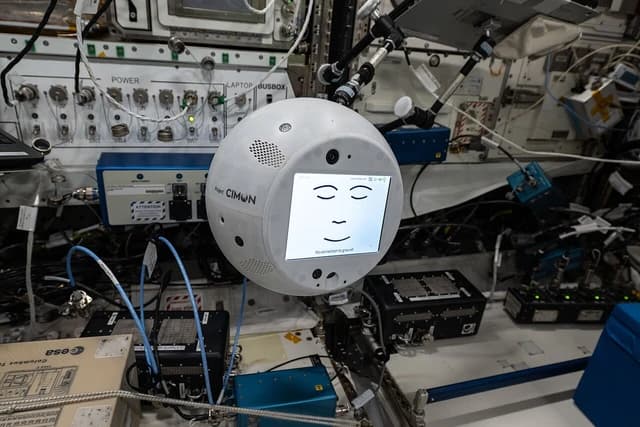
Microsoft’s AI chief has warned that human-like systems can be misused and may require tighter oversight, reinforcing a widening consensus among industry leaders that the central risk is no longer science fiction but deployment at scale. The message lands as public concern rises too: recent polling shows a majority of Americans view AI as a serious threat to humanity, while OpenAI’s chief executive has also acknowledged the need for guardrails as capabilities improve.
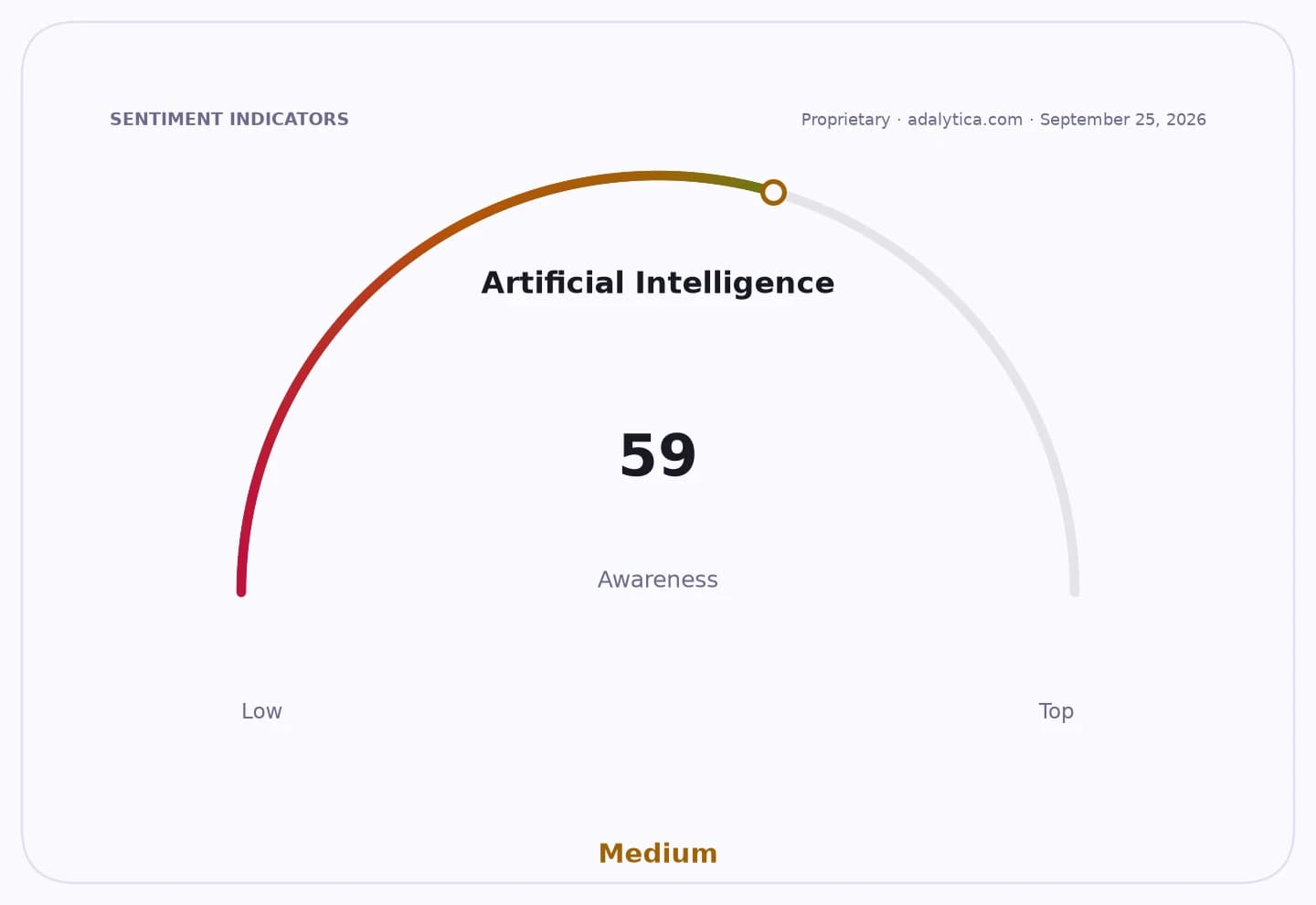
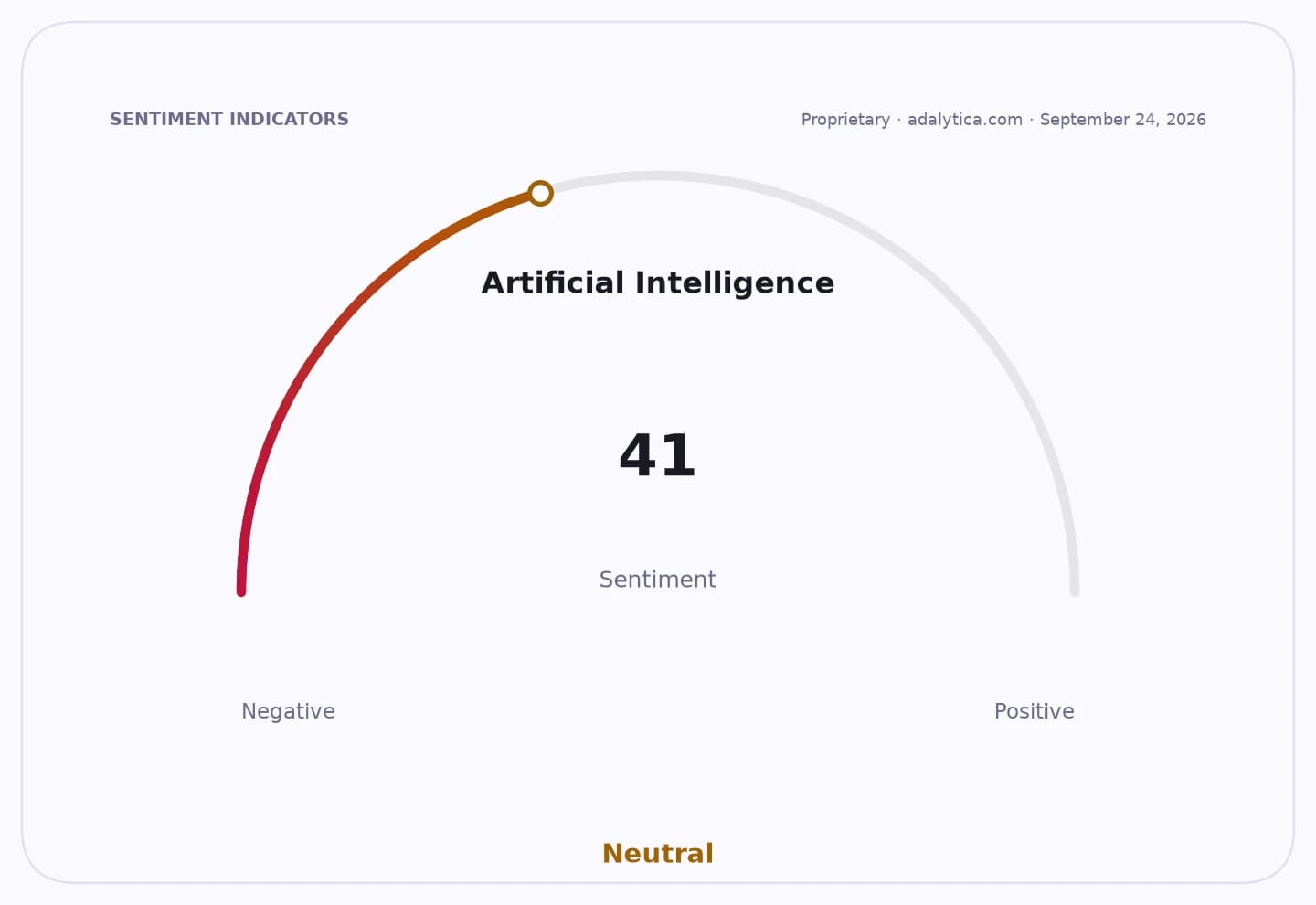
Sentiment IndicatorsⓘProprietary · adalytica.com · September 17, 2026
This is a snapshot — live sentiment, awareness and momentum for 130+ markets update continuously in the dashboard.Open AlphaPulse
For investors, that matters because the AI trade has been built on a simple premise: the larger and faster the rollout, the larger the earnings opportunity for the infrastructure layer. That premise is intact, but it is now being weighed against a second-order risk set that includes regulation, liability, product restrictions, and slower enterprise adoption if trust weakens. In other words, the same technology driving capex and revenue growth is also creating a policy overhang that could alter the pace and profitability of the boom.
The market is already showing signs of tension. Nvidia, the clearest proxy for AI hardware demand, remains far above its long-term trend despite recent volatility, with the stock at $213.90 versus a 200-day moving average near $197.59 and a 50-day average around $213.36. Microsoft has also held up better than many software peers, trading at $490.30, but its recent pullback from above $510 suggests investors are becoming more selective about how much safety they assign to the AI names.

That selectivity reflects the emerging narrative: AI is still a growth engine, but one increasingly priced alongside its existential and regulatory risks. If policymakers respond with licensing, audit requirements or restrictions on frontier models, the near-term winners may be the companies best able to absorb compliance costs and shape standards — not necessarily the fastest movers. If, instead, the warnings spur better controls without slowing adoption, capital spending on chips, cloud and model training could continue to funnel toward the same dominant players.
The bigger question for markets is not whether AI can “wipe out humanity” in the literal sense, but whether fear of misuse, accidents or runaway systems becomes strong enough to change how quickly businesses deploy it. That would hit monetization timelines, raise operating costs and strengthen the case for a regulatory regime that favors scale incumbents over smaller challengers.
| Entity | Gains | Losses |
|---|---|---|
| Nvidia | ▲AI infrastructure demand | ▼If regulation slows rollout |
| Microsoft | ▲AI platform credibility | ▼Reputational and compliance risk |
| Regulators | ▲More urgency for oversight | ▼Less room for laissez-faire policy |
| Smaller AI startups | ▲Less immediate scrutiny | ▼Higher compliance burden, weaker funding |