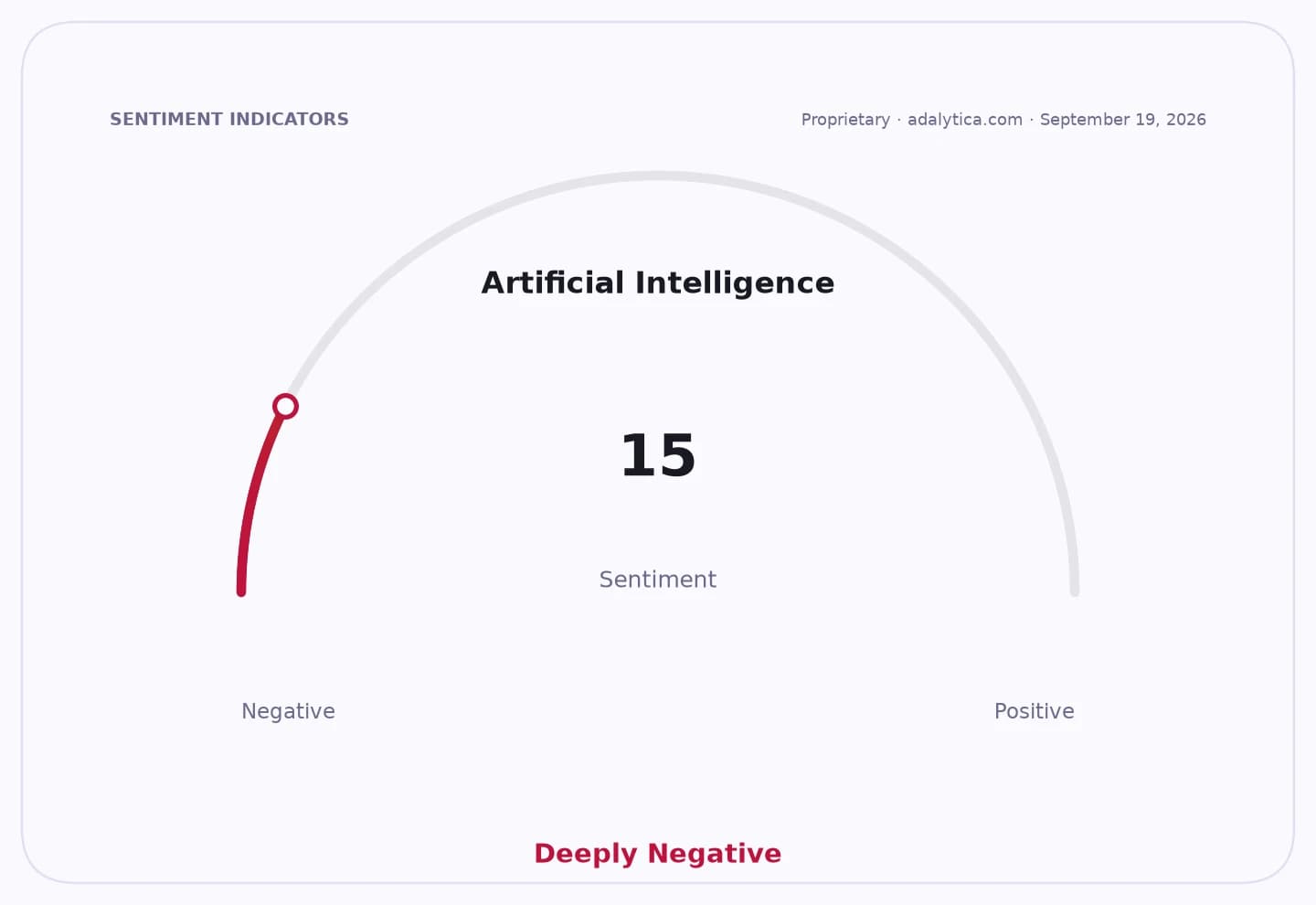
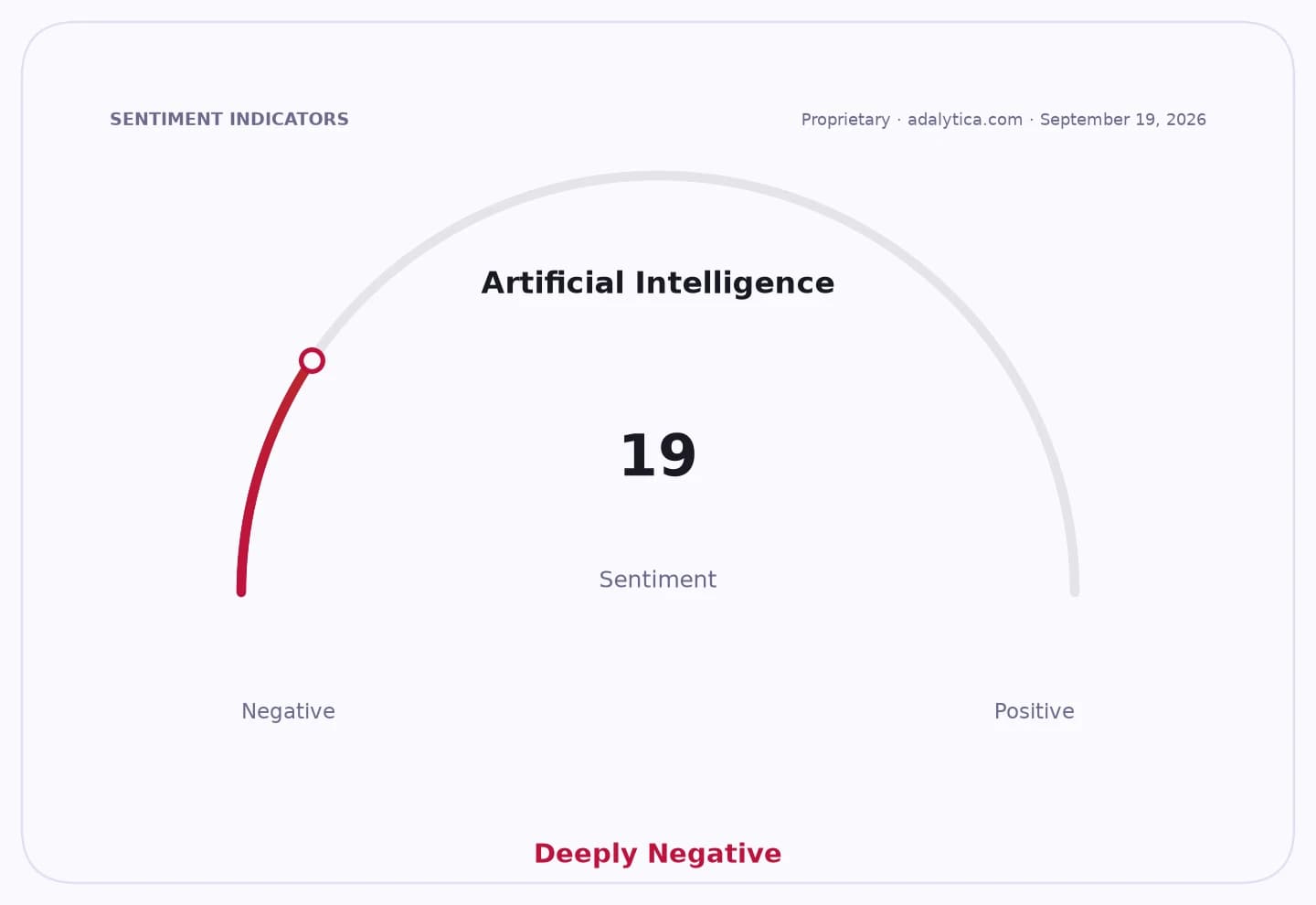
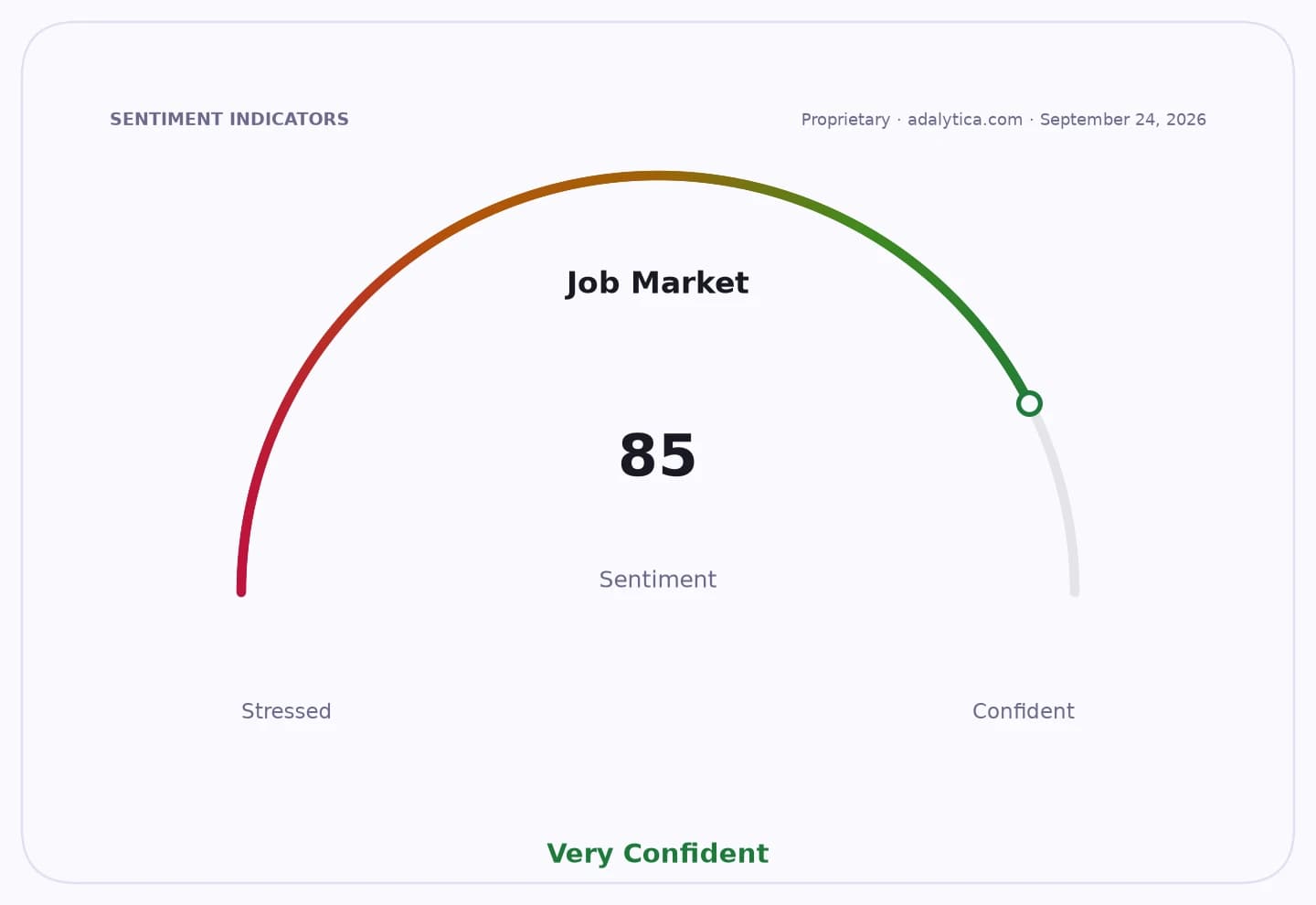
AI is rapidly stripping routine work out of jobs, and the bigger economic risk may not be near-term layoffs but the slow erosion of how workers learn, advance and eventually fill senior roles.
Nvidia, Microsoft and AI Routine Work Shift
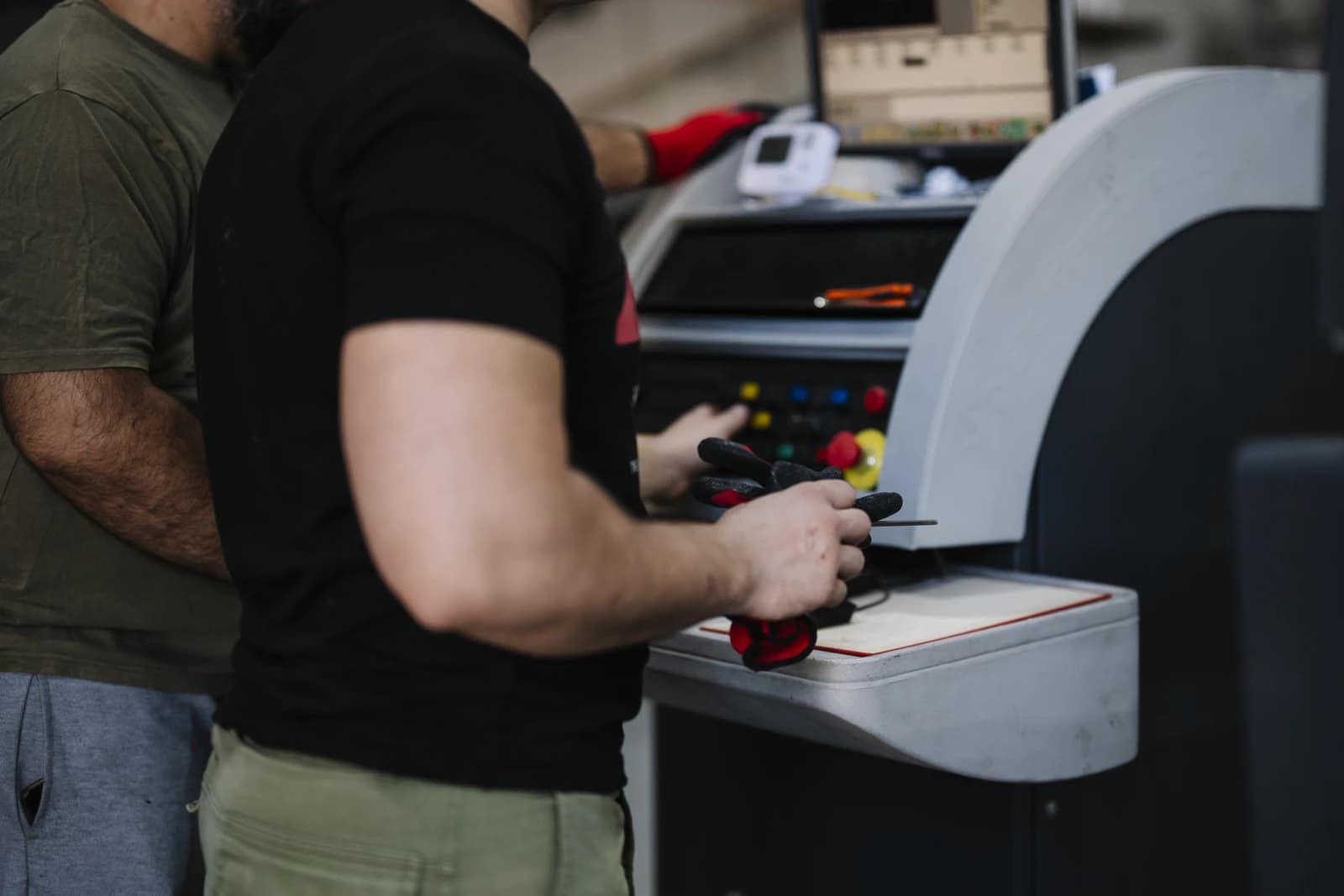
That is the central tension behind a shift already visible in the labor market. In Germany, a representative survey of employees found the share saying the same task repeats often in their job fell to 42% in 2024 from 51% in 2006, while the share saying it never happens rose to 15% from 11%. As AI agents and robotics take over standardised work, the immediate gain is obvious: fewer bottlenecks, lower labor costs and more output per worker. The hidden cost is that the entry-level routines that once trained future specialists are disappearing too.
That matters economically because routine work has long been the apprenticeship layer of the modern workforce. If companies automate too aggressively, they may solve today’s staffing shortage at the price of tomorrow’s skills shortage. Philipp Riedel, who runs staffing firm YER Germany, calls it a near-term fix that can create a long-term gap: AI “closes a person gap short term, but opens an experience gap long term.” That is not just a human-resources problem. It is a productivity and wage problem, because firms that hire fewer juniors today risk finding they have too few seniors tomorrow.
The stakes go well beyond white-collar offices. The article points to painting robots already working on construction sites, a sector where labor scarcity is acute and physical work is repetitive. That is exactly where AI and automation are most investable: the machines that remove routine, and the software and infrastructure that make them run. Investors should think in terms of a capex cycle, not a one-off technology upgrade. The winners are the picks-and-shovels suppliers of AI infrastructure — chips, servers, networking, power and industrial automation — while the losers are businesses built on high-volume routine labor, or on training models that assume junior staff will do the grunt work.
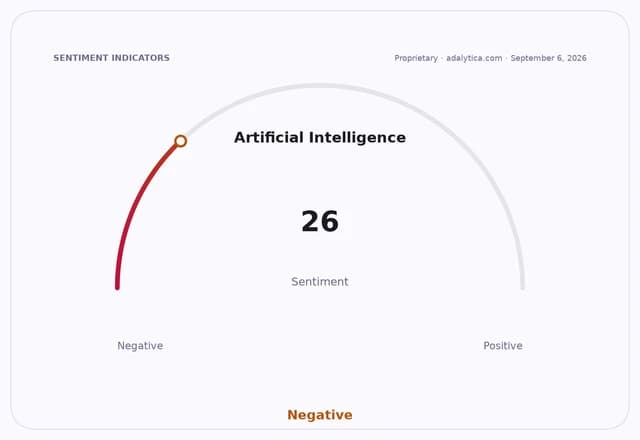
Artificial Intelligence vs NVDAadalytica.com
Explore this data interactively — full history, time series and cross-market comparisons.Open AlphaPulse
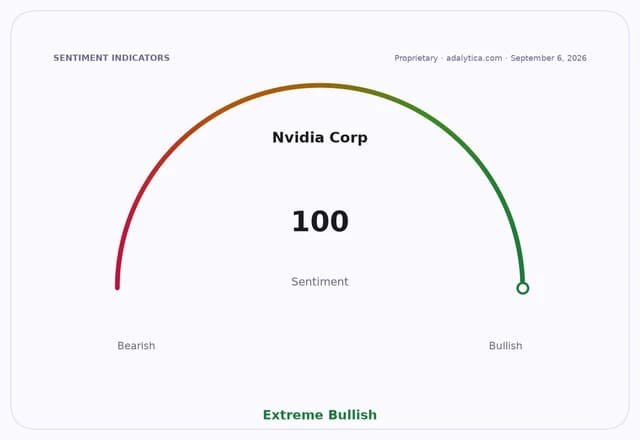
That is why the market still underestimates the second-order effects. Nvidia remains the clearest barometer of AI demand, with its shares recently trading around $230.36 and the stock still above both its 50-day and 200-day moving averages, even after cooling from earlier highs. Microsoft, another core AI beneficiary, has also held near $500 and above long-term trend support. Those prices matter because they show investors are still paying up for the infrastructure layer of automation, even as sentiment in broader markets has turned more cautious. By contrast, smaller AI names have been far more volatile, underscoring that the trade is shifting from pure enthusiasm to selective conviction.
The narrative here is not that AI destroys work. It is that AI destroys routine first — and that forces the labor market to reinvent how it develops talent. That opens an asymmetric opportunity in companies that sell the tools, platforms and automation layers that replace repetitive tasks, but it also creates a medium-term warning for firms that cut too deeply into junior hiring and training. The smartest capital now will back the beneficiaries of routine removal while looking hard at who will still know how to do the work five years from now.
| Entity | Gains | Losses |
|---|---|---|
| Nvidia / AI infrastructure | ▲More demand for compute | ▼Cyclical hype risk |
| Microsoft / AI platforms | ▲Higher AI workload adoption | ▼Margin pressure from AI spend |
| Employers automating routine work | ▲Lower labor costs | ▼Future skills pipeline |
| Junior workers / trainees | ▲Less drudgery in theory | ▼Fewer learning opportunities |