The AI boom is creating a sharp split in Silicon Valley: a wave of paper wealth at the top is colliding with layoffs and job insecurity for workers who are not sharing equally in the gains.
Silicon Valley AI boom splits wealth and jobs
That divide matters because artificial intelligence is no longer just a capex story or a chip cycle story. It is becoming a labor-market story, a wealth-distribution story and, increasingly, a political one in the country’s most important technology hub. The next fortunes from private AI leaders such as Anthropic and OpenAI are expected to enrich investors and founders in San Francisco, while a recent gathering of laid-off workers underscored how many people building or surrounding the AI economy are still being pushed out of it.
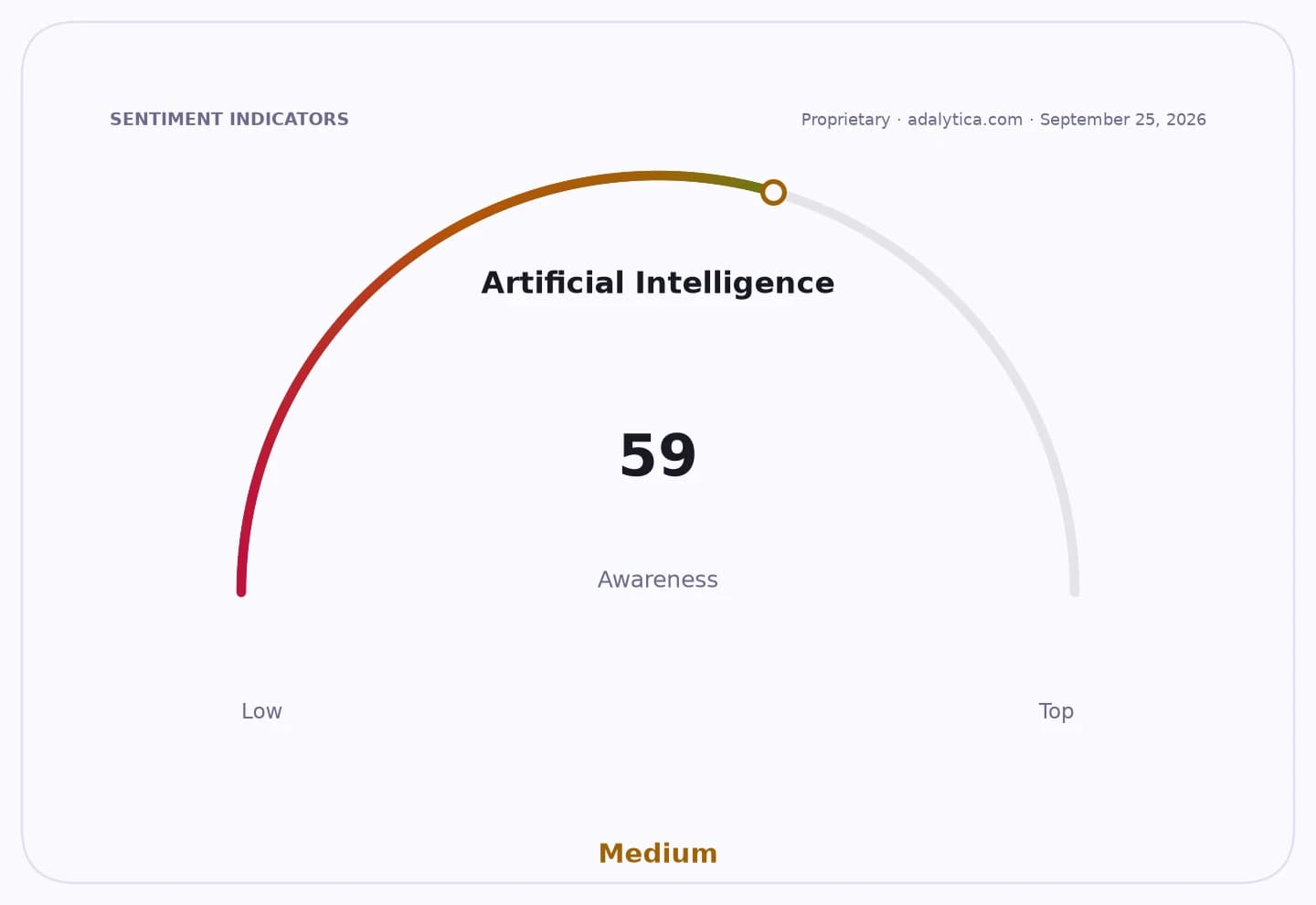
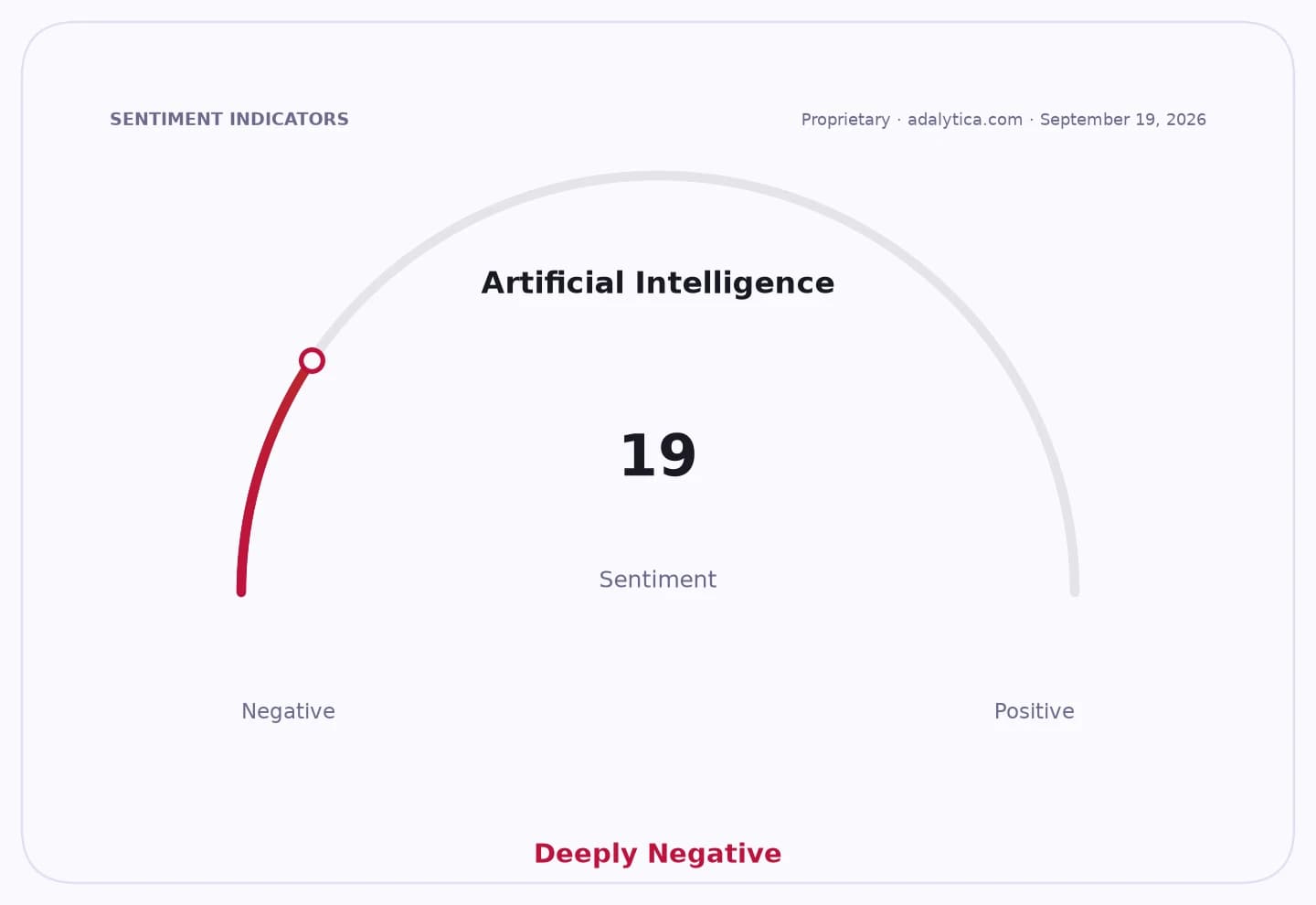
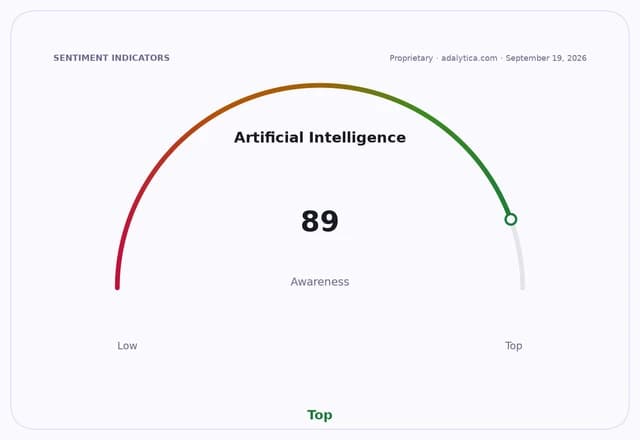
Sentiment IndicatorsⓘProprietary · adalytica.com · September 19, 2026
This is a snapshot — live sentiment, awareness and momentum for 130+ markets update continuously in the dashboard.Open AlphaPulse

For investors, the tension is important because it suggests the AI trade is broadening beyond semiconductors and cloud spending into a more complex question: who captures the value created by the technology. Oracle’s latest round of layoffs, despite surging demand for AI infrastructure, is a reminder that even companies benefiting from the boom are trimming payrolls as they try to convert heavy investment into margins and cash flow. In other words, AI is still boosting revenues and valuations, but not necessarily headcount.
The market has already rewarded the firms closest to the infrastructure buildout. Nvidia shares have risen to $222.27 from $177.65 in late January, while Microsoft has recovered from a March trough near $352 to around $493.78, and Alphabet has climbed to $349.54 after trading below $307 in February. The move reflects confidence that AI spending will keep feeding chips, cloud and model development. But the price action also shows how concentrated the gains remain: the benefit is accruing mainly to the platforms, the pick-and-shovel suppliers and the founders most exposed to ownership stakes, not necessarily to rank-and-file employees.
That concentration is what gives the labor angle economic weight. Private-market value creation in frontier AI has the potential to mint large numbers of paper billionaires in San Francisco, but the local economy also depends on office jobs, support roles and engineering positions that can be eliminated or reorganized as firms automate more work. If AI boosts productivity without a matching rise in hiring, it can widen the gap between capital and labor even as overall output climbs. That is a classic late-cycle pattern in technology: capital spending surges, wage pressure eases, and incumbents push for efficiency before the labor market fully adjusts.
The contradiction is visible in corporate behavior. Microsoft’s filings warn that customers may delay or shift AI workloads if adoption slows, while Alphabet says rising investment in new businesses and technologies could hurt operating results. Meta has also disclosed a sharp rise in infrastructure commitments tied to AI. Those disclosures point to a common theme across Big Tech: management teams are spending aggressively to avoid missing the next platform shift, but they are also under pressure to protect margins. Layoffs, hiring freezes and smaller teams are one way to reconcile those two goals.
The bear case is that AI becomes a prosperity engine for owners but a jobs squeeze for the broader tech workforce, creating reputational and social backlash just as the industry needs political tolerance for power-hungry data centers, model training and enormous capex budgets. The bull case is that the current pain is transitional: as AI tools spread, productivity gains will eventually support new products, new companies and new forms of employment, much as earlier software waves did.
For now, investors are pricing the upside in earnings and infrastructure demand, while workers are absorbing the downside of adaptation. That split is likely to stay in focus as the market watches whether AI spending continues to justify the current valuations — and whether the wealth it creates in Silicon Valley can be translated into broader job growth rather than a narrower concentration of gains.
| Entity | Gains | Losses |
|---|---|---|
| Nvidia | ▲chip demand, revenue growth | ▼valuation if AI spend slows |
| Microsoft, Alphabet, Meta, Oracle | ▲AI infrastructure returns | ▼payroll costs, margin pressure |
| Founders and investors | ▲private-market wealth creation | ▼public scrutiny, inequality backlash |
| Laid-off tech workers | ▲limited near-term gains | ▼jobs, income, local spending power |