Nvidia’s plan to invest $1.5 billion in an 8-gigawatt AI campus in Ohio for OpenAI underscores how quickly the artificial-intelligence buildout is shifting from software ambition to industrial-scale infrastructure, with implications for power markets, semiconductor demand and the capex cycle across Big Tech.
Nvidia Plans $1.5B Ohio AI Campus for OpenAI

The project matters because it ties together the three bottlenecks now defining the AI economy: access to chips, access to electricity and access to capital. An 8-GW campus would rank among the largest AI infrastructure efforts ever disclosed and signals that the next phase of AI competition is less about model releases than about who can secure enough compute to train and run them. For OpenAI, the deal expands the physical base behind its services. For Nvidia, it deepens its role not just as a chip supplier but as an investor helping finance the ecosystem that buys its processors.
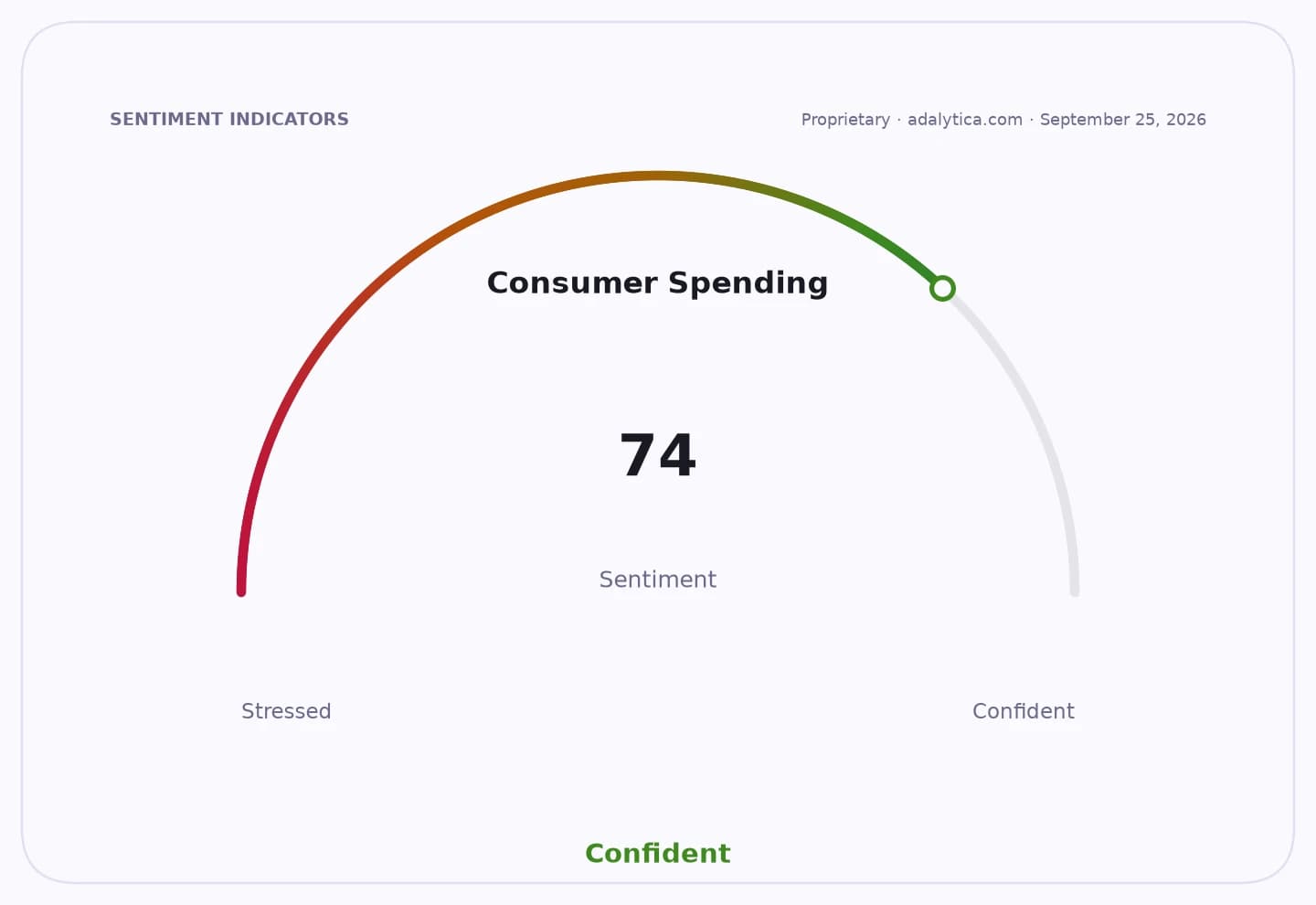
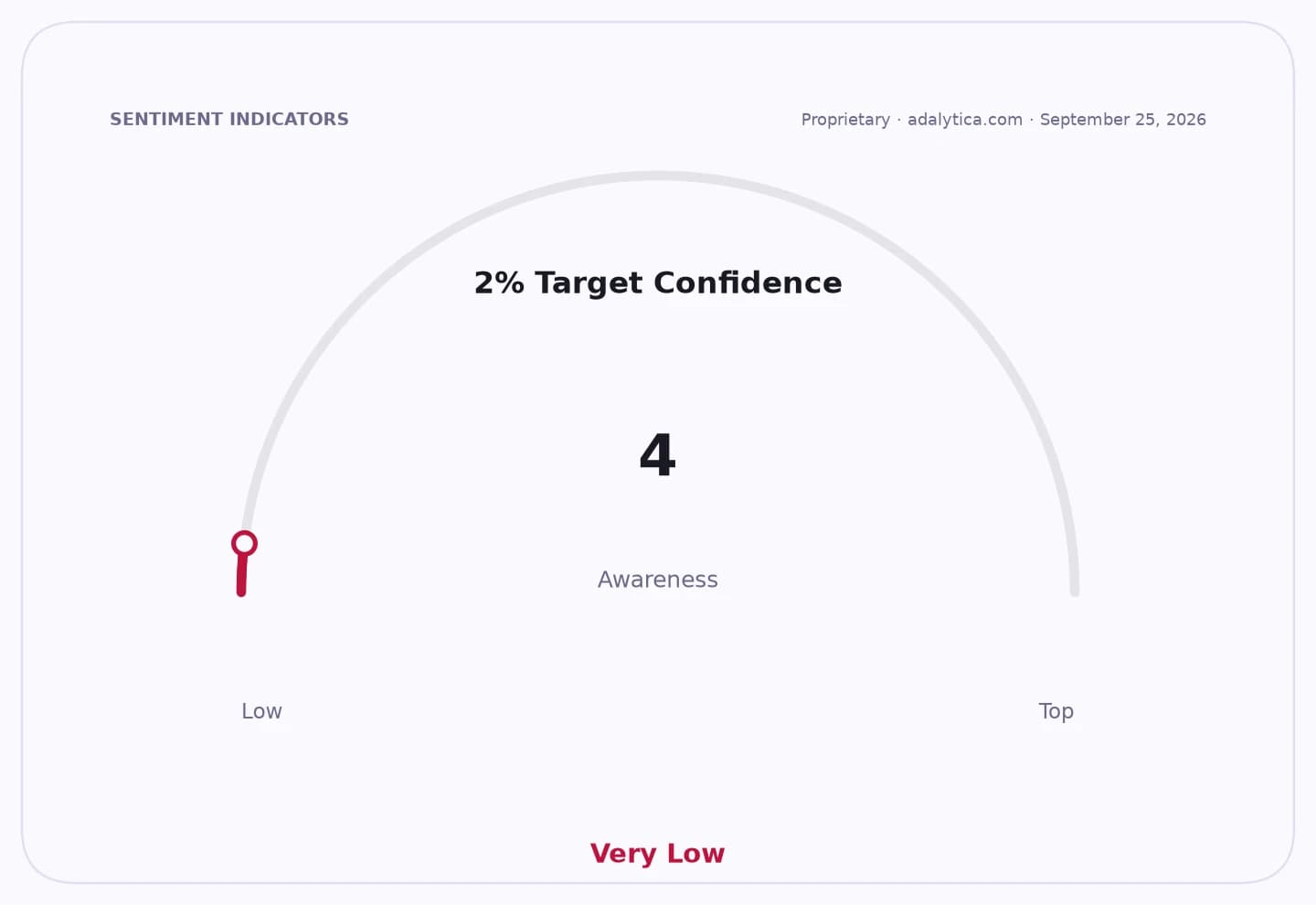
Sentiment IndicatorsⓘProprietary · adalytica.com · August 18, 2026
This is a snapshot — live sentiment, awareness and momentum for 130+ markets update continuously in the dashboard.Open AlphaPulse
The investment also highlights how AI spending is feeding into the broader US industrial economy. Industrial production in the US has been near a long plateau, with the latest readings around 102.6 on a 2017=100 basis, implying only modest growth in manufacturing output over the past few years. Large data-center projects stand out in that landscape because they bring construction, equipment orders, grid upgrades and downstream demand for power-generation assets. They also sharpen the pressure on utilities and regulators to clear transmission, natural-gas and renewable capacity fast enough to meet surging load from AI campuses.
For investors, the announcement reinforces a familiar winner’s list. Nvidia remains the clearest immediate beneficiary, with the stock trading around $225 and technical momentum still strong: its price sits above both the 50-day and 200-day moving averages, while RSI readings near 75 suggest the shares are extended even as demand for its systems stays intense. Microsoft, by contrast, is the key strategic counterparty rather than the direct winner of this deal; its shares around $480 have recovered sharply from earlier weakness, but the company still faces heavy AI capex and partnership commitments that investors are increasingly judging through the lens of margins and returns. TSMC also remains central as the foundry backbone of the AI stack, with its shares near $431 and well above long-term averages, reflecting expectations that demand for advanced chips will stay elevated.
There is a broader market narrative here as well. Adalytica’s proprietary NVIDIA Earnings Sentiment snapshot shows “Extreme Greed,” a sign that investor enthusiasm around the company has accelerated alongside the deal flow. But the same buildup raises a valuation question: the more the AI story shifts into multiyear infrastructure commitments, the more investors will focus on whether returns can keep pace with the capital intensity. That is especially true with 10-year Treasury yields around 4.7%, which make long-duration growth projects more sensitive to financing costs and free-cash-flow discipline.
The bull case is straightforward: the Ohio campus strengthens Nvidia’s installed base, OpenAI’s capacity and the ecosystem of suppliers that stand behind both. The bear case is that the scale of the buildout invites execution risk, grid delays and a future overhang if AI demand fails to grow as fast as planned. For now, though, the message to markets is clear: AI is no longer just a software trade. It is becoming a power-and-capital trade, and Nvidia is helping write the financing plan.
| Entity | Gains | Losses |
|---|---|---|
| Nvidia | ▲Deepens ecosystem control | ▼Higher capital exposure |
| OpenAI | ▲More compute capacity | ▼Greater operating complexity |
| TSMC | ▲More chip demand | ▼Supply-chain strain |
| Utilities/grid builders | ▲New load growth | ▼Infrastructure bottlenecks |