NVIDIA still looks like the stronger long-term AI stock in 2026, even though SK Hynix is cheaper and just as central to the boom in artificial intelligence.
NVIDIA vs SK Hynix in AI chips
That matters because investors are no longer asking whether AI will create winners — they’re asking which businesses can turn that demand into years of compounding cash flow. On that score, NVIDIA’s scale, margins, and free cash generation still stand out, even as SK Hynix offers a lower valuation and one of the market’s most important memory franchises.
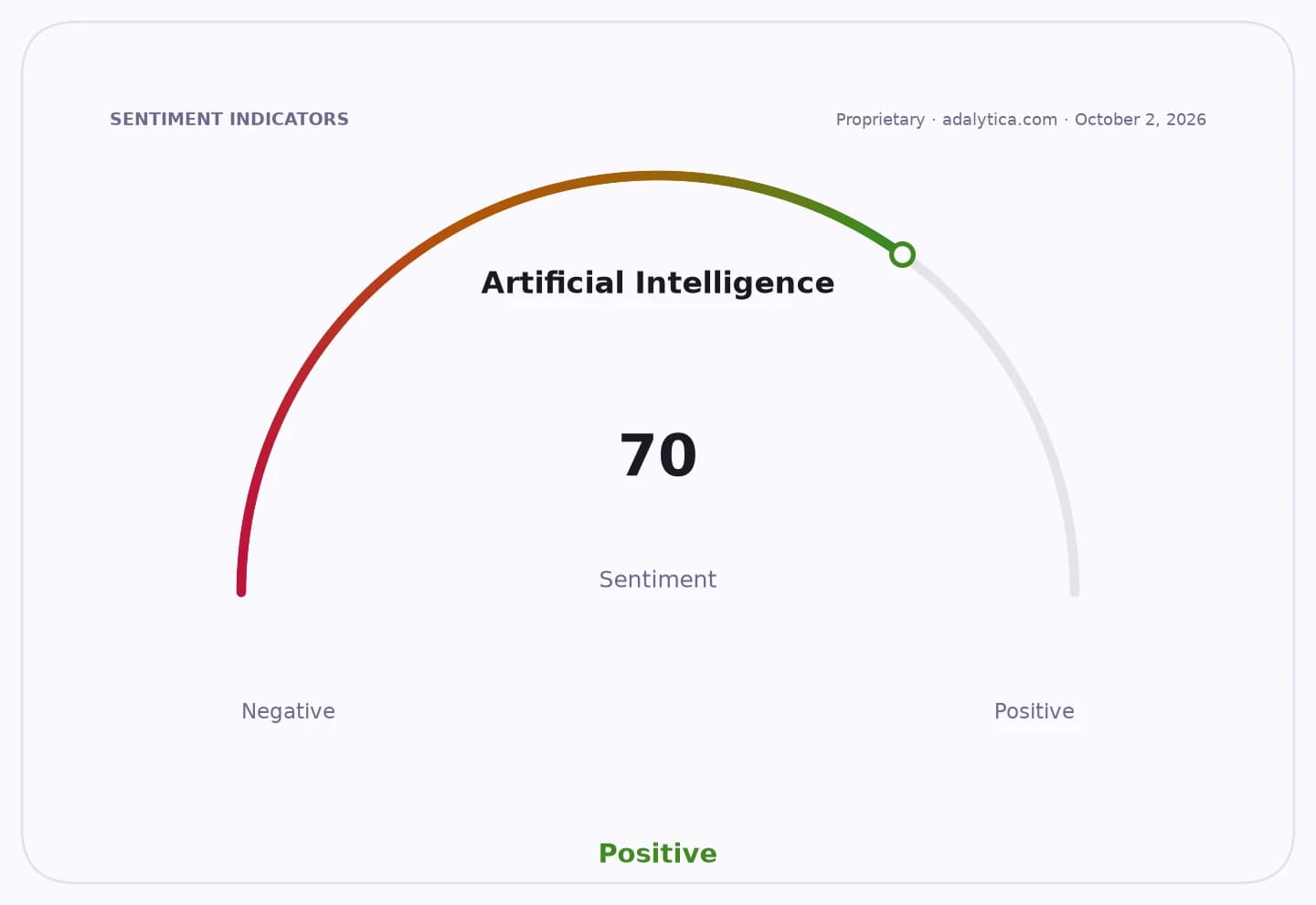
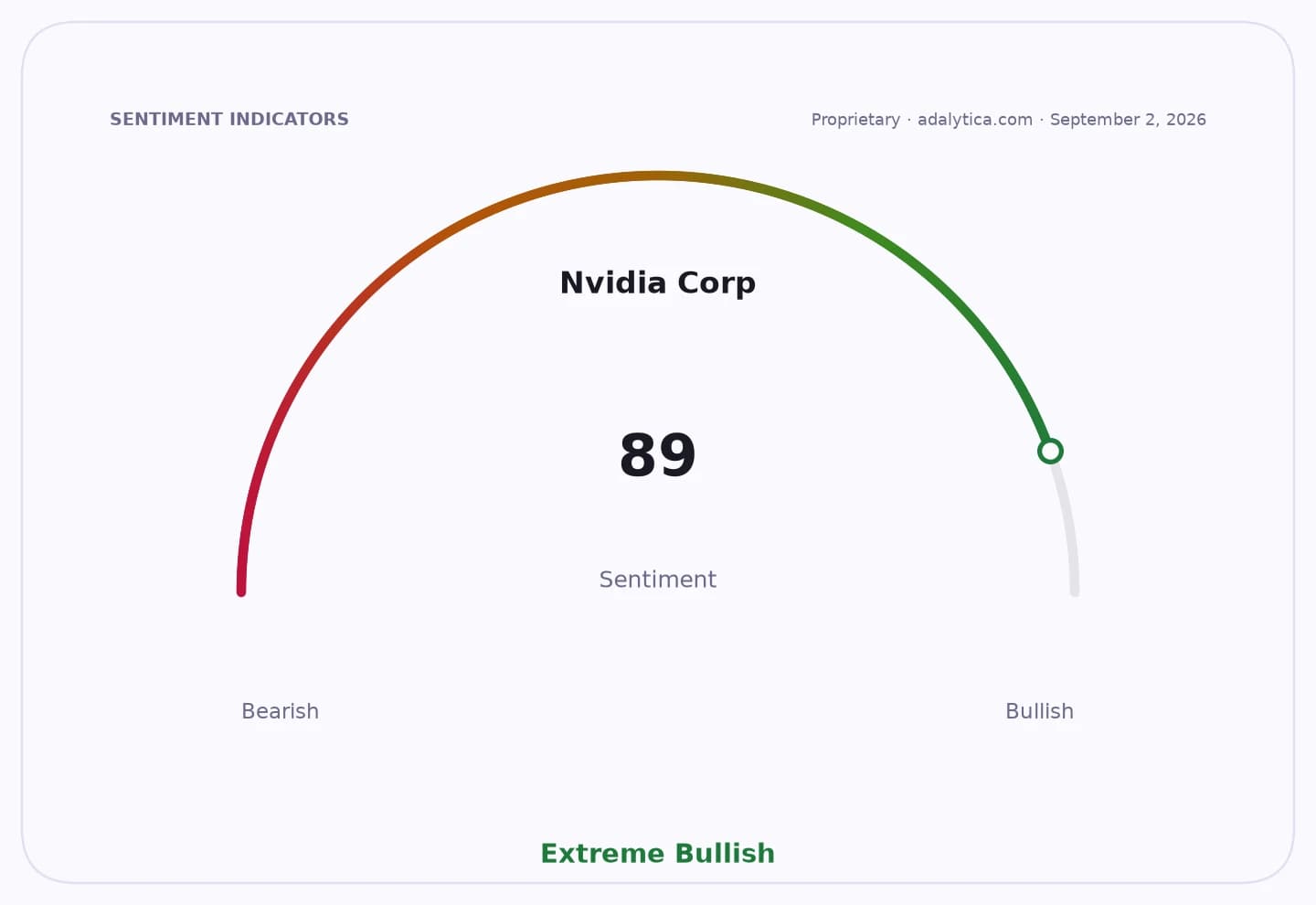
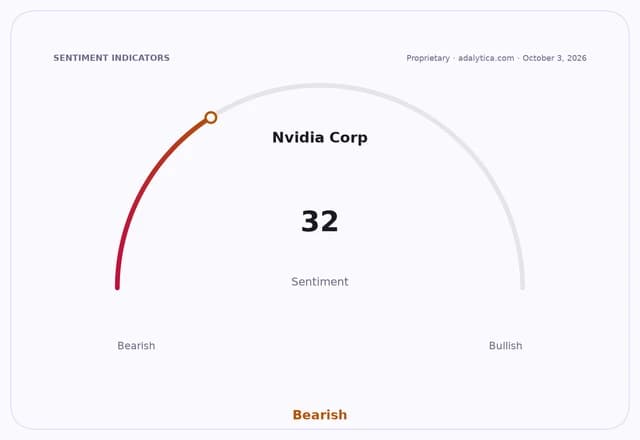
Sentiment IndicatorsⓘProprietary · adalytica.com · October 3, 2026
This is a snapshot — live sentiment, awareness and momentum for 130+ markets update continuously in the dashboard.Open AlphaPulse

The comparison is really about who captures more of the AI value chain. NVIDIA sells the processors that power the training and running of AI models in data centers, while SK Hynix supplies the high-bandwidth memory those chips need to move data quickly enough to keep systems running. Both are essential, but NVIDIA has built a broader platform around the AI buildout and is generating far more cash from it.
The numbers explain why investors keep paying up for NVIDIA. In its fiscal year ended Jan. 25, 2026, revenue jumped about 65.5% to $215.9 billion, net income reached $120.1 billion, and the company posted a stunning 55.6% net margin. Free cash flow came in at $96.7 billion, giving NVIDIA enormous flexibility to fund growth, absorb shocks, and keep compounding earnings. Its balance sheet is also conservative, with debt-to-equity at just 0.1x and a current ratio of 3.9x.
SK Hynix is hardly a laggard. Revenue rose 46.8% to $71.5 billion in the fiscal year ended Dec. 31, 2025, and net income of $31.6 billion translated into a 44.2% margin. That is an impressive result in a notoriously cyclical memory market, and it shows how powerful AI demand has become for high-bandwidth memory suppliers. But the company’s free cash flow of $18.2 billion is much smaller than NVIDIA’s, and memory chips still face tougher pricing swings than the kind of software-like economics investors prize in a dominant platform business.
That difference is why NVIDIA continues to command a premium valuation. SK Hynix may look more attractive on a forward earnings basis and sales multiple, but cheap is not always better when the business lacks the same margin structure and ecosystem control. NVIDIA also benefits from a wider moat: its chips sit at the center of data-center AI spending, and its software and developer ecosystem make it harder for customers to walk away.
Investors still have to respect the risks. NVIDIA faces U.S. export controls that limit sales in China, heavy reliance on outside manufacturers such as Taiwan Semiconductor Manufacturing Co. and Samsung, and increasingly intense competition from AMD. SK Hynix, meanwhile, remains exposed to memory-price cycles and heavy capital spending. In a market where AI optimism is running high and chip stocks are broadly bid, the better investment is often the one with the strongest staying power when enthusiasm cools.
That is why, for long-term investors, NVIDIA still looks like the better AI stock to own if you want one name. SK Hynix is a compelling way to play the same secular trend, especially at a more modest valuation, but NVIDIA’s combination of growth, profitability, and free cash flow gives it the edge for compounding over the next three to 10 years. For investors building a durable portfolio, both are worth watching — and NVIDIA remains the one to consider buying and holding.
| Entity | Gains | Losses |
|---|---|---|
| NVIDIA | ▲Premium AI platform, massive free cash flow | ▼China sales, margin pressure |
| SK Hynix | ▲Lower valuation, HBM demand | ▼Memory-cycle volatility |
| AI buyers/customers | ▲Better chip supply, faster performance | ▼Higher infrastructure costs |
| Long-term investors | ▲Exposure to secular AI growth | ▼Missing out on a dominant compounder |