A fired babysitter who once earned $7.25 an hour is now making about $35 an hour in New York, a reminder that labor markets still reward scarce skills, experience and the courage to know your worth.
NYC nanny wage rise shows childcare labor premium
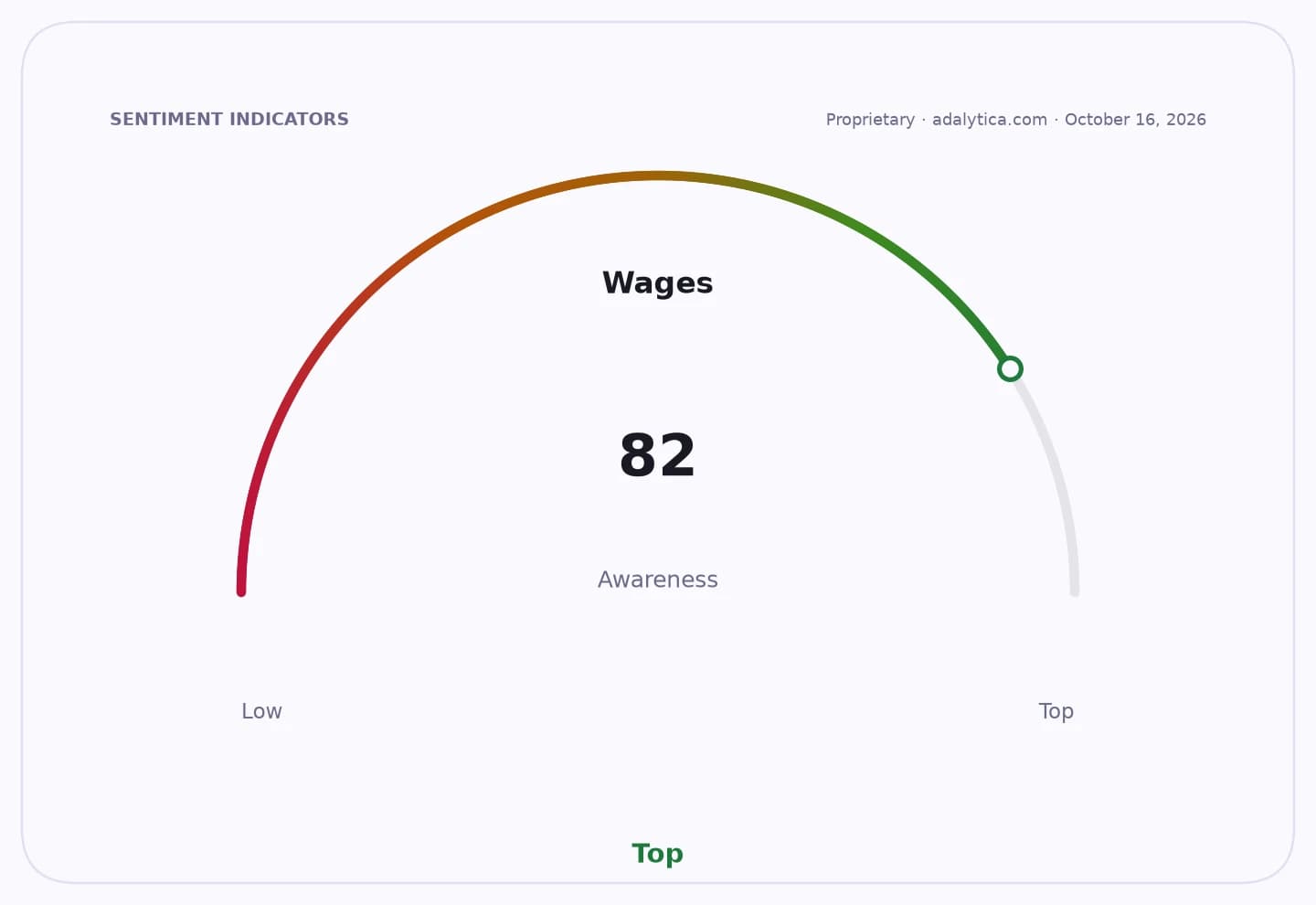
That’s not just a feel-good story. It’s a small but useful window into how wages are set in one of America’s most expensive cities, where childcare is both essential and chronically undersupplied. For workers, the lesson is that compensation can change dramatically when a job requires more than basic supervision. For investors, it reinforces a broader theme: in a tight, specialized labor market, wages can climb quickly for people who can deliver trust, flexibility and expertise.
Sentiment IndicatorsⓘProprietary · adalytica.com · October 15, 2026
This is a snapshot — live sentiment, awareness and momentum for 130+ markets update continuously in the dashboard.Open AlphaPulse
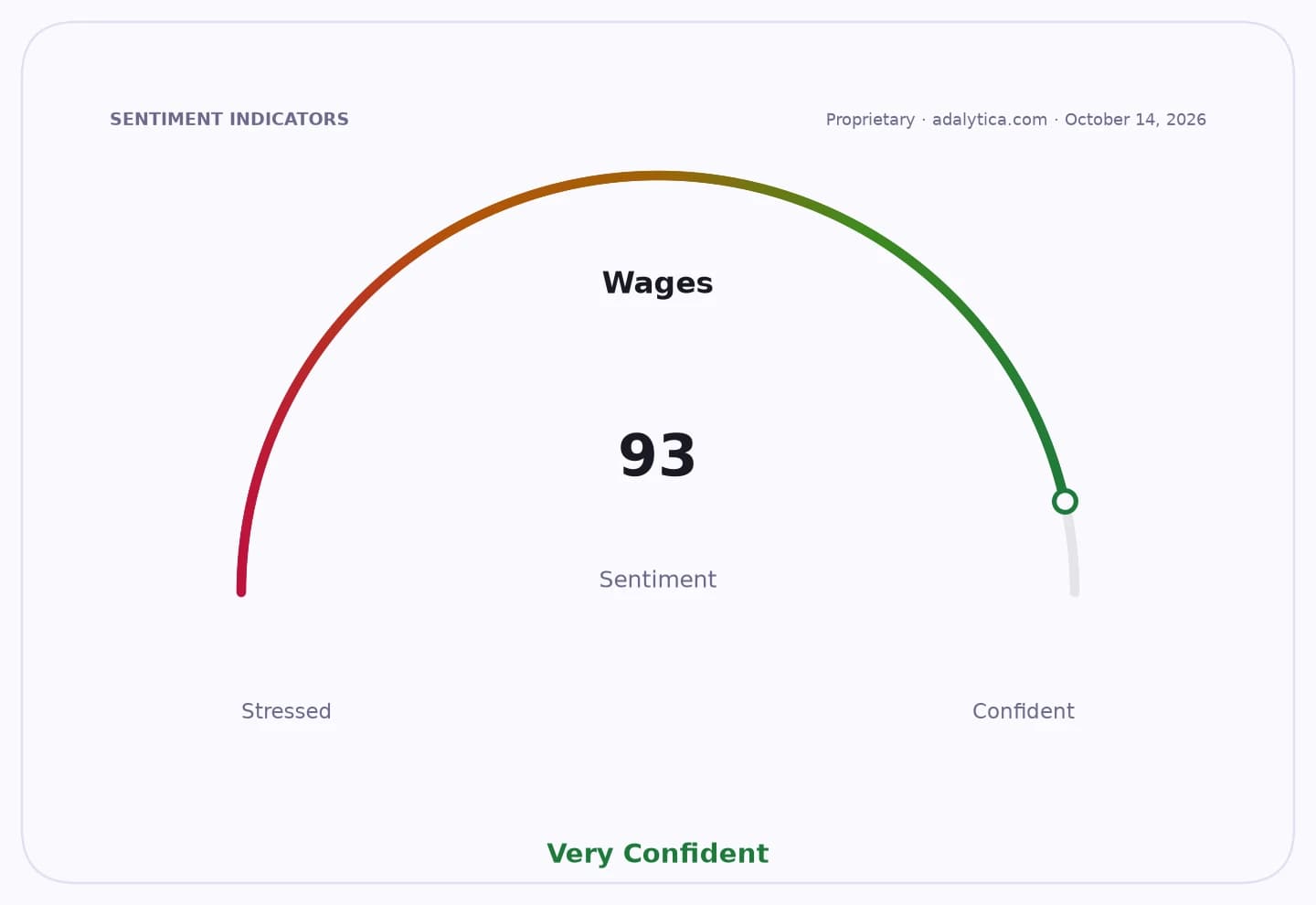
Coco Galli King’s path shows how sharply pay can diverge once experience becomes the product. According to her account, she once cared for six children at once, including teaching Braille to one child and helping two siblings with autism, before being dismissed after asking for a 50-cent raise. Today, with a higher-end family in New York, she says she earns about $35 an hour for one child and up to $39 an hour for three. That is nearly five times her starting wage, and it reflects a reality many service workers discover only after moving to a pricier market: the same skills can command far more when the cost of living, and the expectations of clients, are higher.
The economics are straightforward. Childcare is labor-intensive and difficult to automate, which makes it one of the more durable service categories even as artificial intelligence reshapes hiring elsewhere. Unlike many white-collar tasks, the job depends on physical presence, judgment and trust. Those qualities are hard to replace and easy to undervalue until parents need them. King also points to contract protections, including pay for cancelled shifts, as part of the package. In a city where commuting from New Jersey alone costs her about $12 a day, those safeguards matter almost as much as the hourly rate.
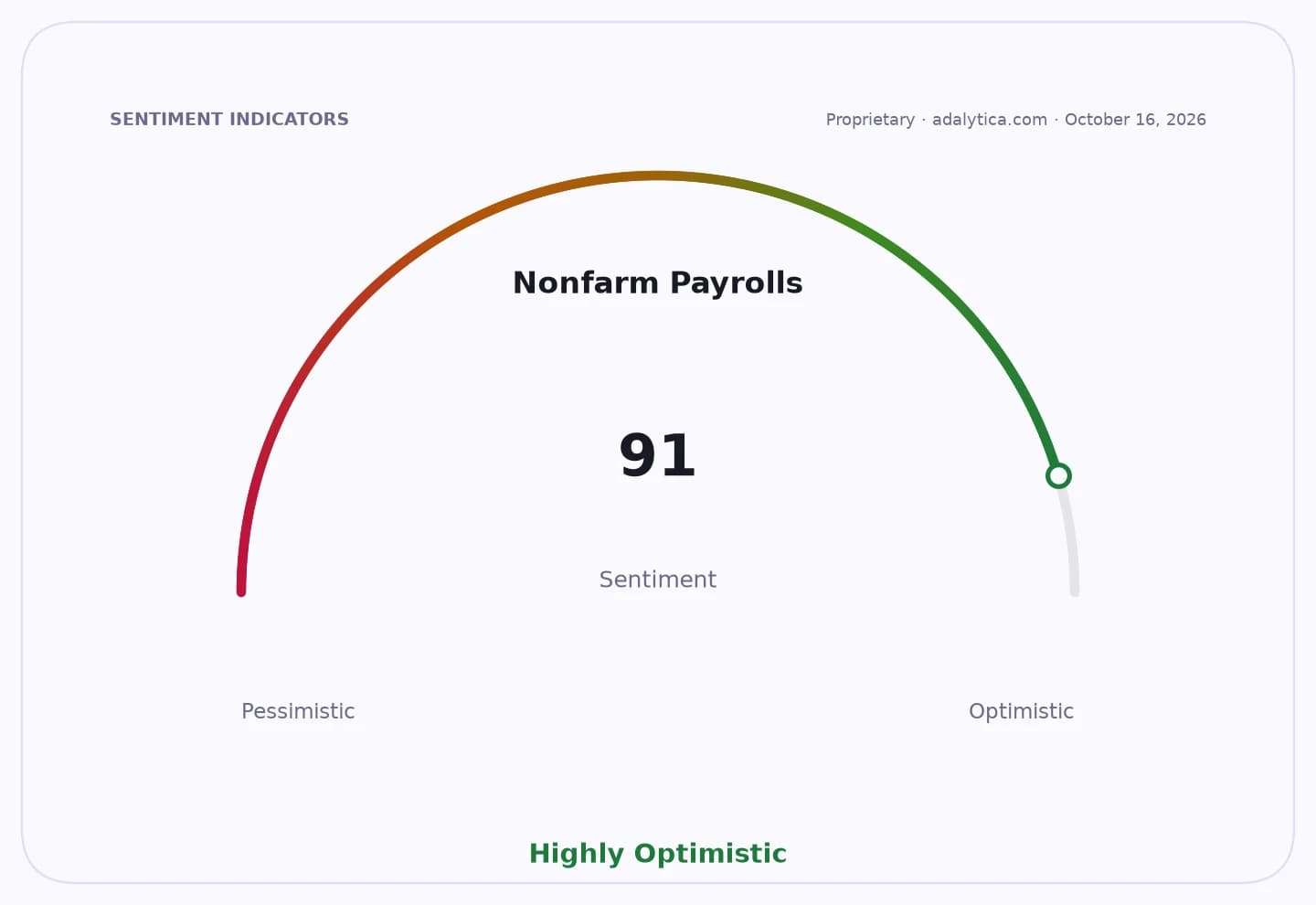
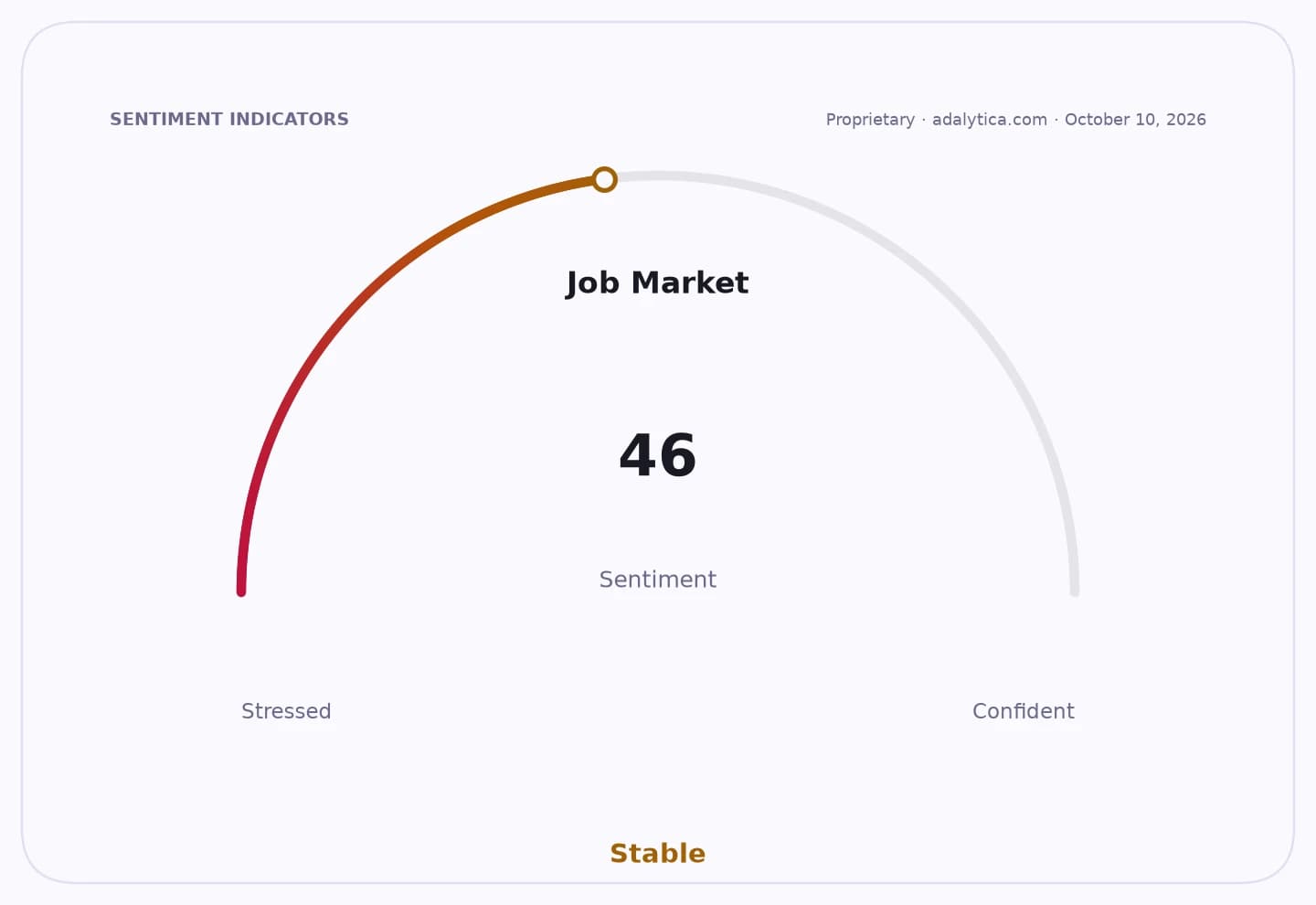
That helps explain why the story resonates well beyond one nanny’s TikTok. It sits inside a larger labor-market backdrop in which employers are still posting millions of openings, even as some sectors face slowing hiring and pressure from technology. The U.S. unemployment rate remains around 4%, a level that historically supports wage gains for workers with in-demand skills. At the same time, newer job-market data and recruitment trends suggest the bargaining power is not evenly distributed. Workers with specialized capabilities can still move up quickly, while those in routine roles may see weaker leverage.
For investors, the takeaway is not to chase viral anecdotes. It is to recognize the persistence of price discrimination in labor: premium service still earns premium pay. That can support spending among higher-income households, but it also keeps pressure on budgets for families, urban consumers and employers that rely on childcare as a prerequisite for work. In other words, the hidden cost of getting people back into the office or keeping them there is often the people who watch their kids.
If you’re building wealth over years, not weeks, this is the kind of story worth remembering. Strong wages in scarce, non-automatable work are one reason the labor market can stay resilient even when the headlines turn noisy. For long-term investors, that resilience favors companies and funds tied to consumer services, workforce participation and family spending, while reminding everyone that the best returns often come from valuing your skills properly. Worth watching — and a useful lesson for anyone thinking about how to earn more over time.
| Entity | Gains | Losses |
|---|---|---|
| Skilled nannies | ▲Higher wages | ▼Lowball offers |
| NYC families | ▲Reliable childcare | ▼Rising household costs |
| Workers with scarce skills | ▲Stronger bargaining power | ▼Routine labor roles |
| Employers seeking childcare support | ▲More experienced caregivers | ▼Higher payroll budgets |