A softer job market and only modest payroll growth are making extra income feel less like a lifestyle choice and more like a financial cushion.
Side Hustle Demand Rises as U.S. Job Growth Cools
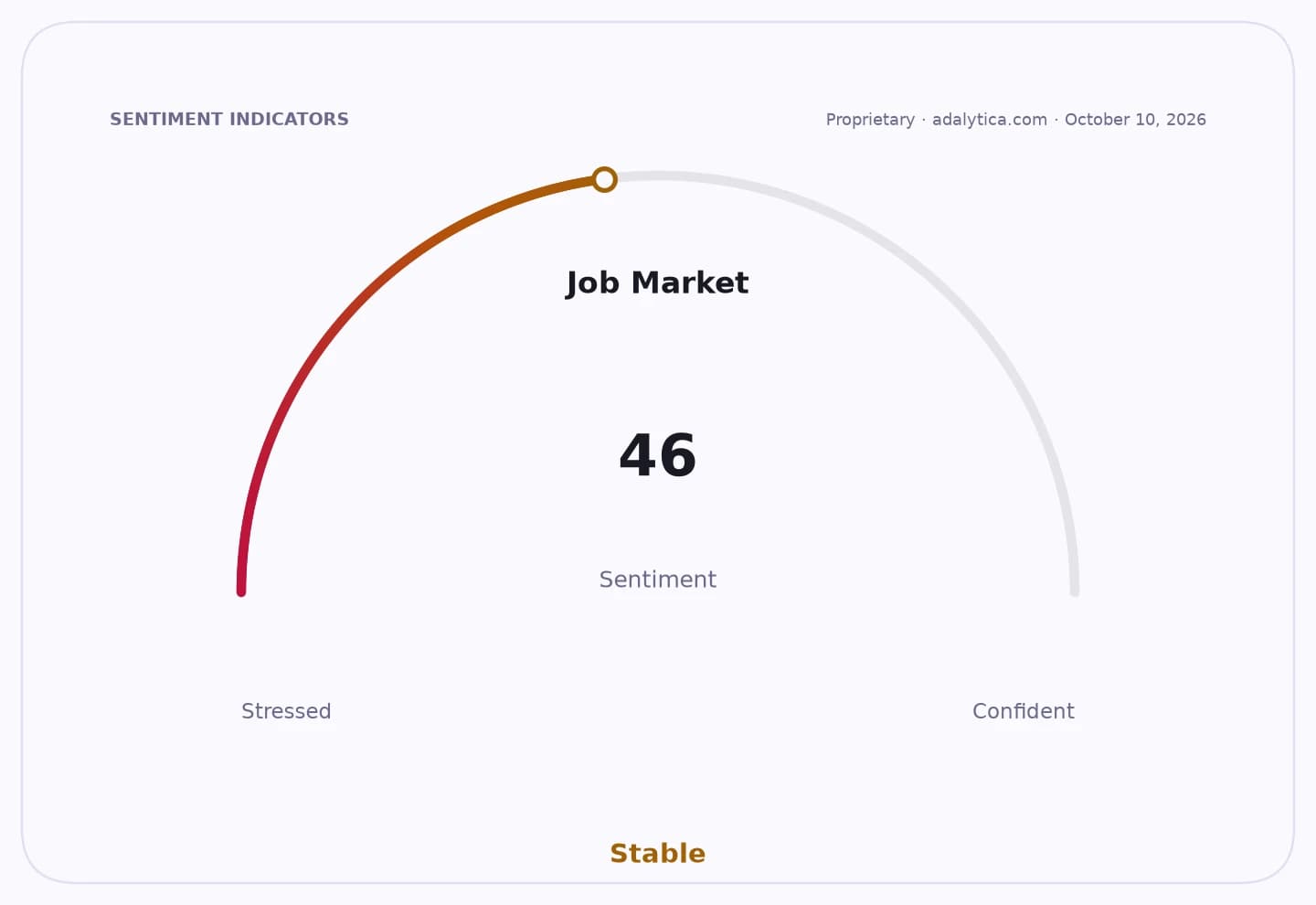
That is the real investment story behind the “side hustle” boom. When the labor market is still adding jobs but not offering the kind of broad, rapid wage growth that changes household budgets overnight, workers start looking for flexible ways to bring in cash after hours. In other words, the side-hustle economy is thriving because a lot of people want optionality: money for bills, money for spending, and in some cases a bridge out of a traditional 9-to-5.
Sentiment IndicatorsⓘProprietary · adalytica.com · October 10, 2026
This is a snapshot — live sentiment, awareness and momentum for 130+ markets update continuously in the dashboard.Open AlphaPulse
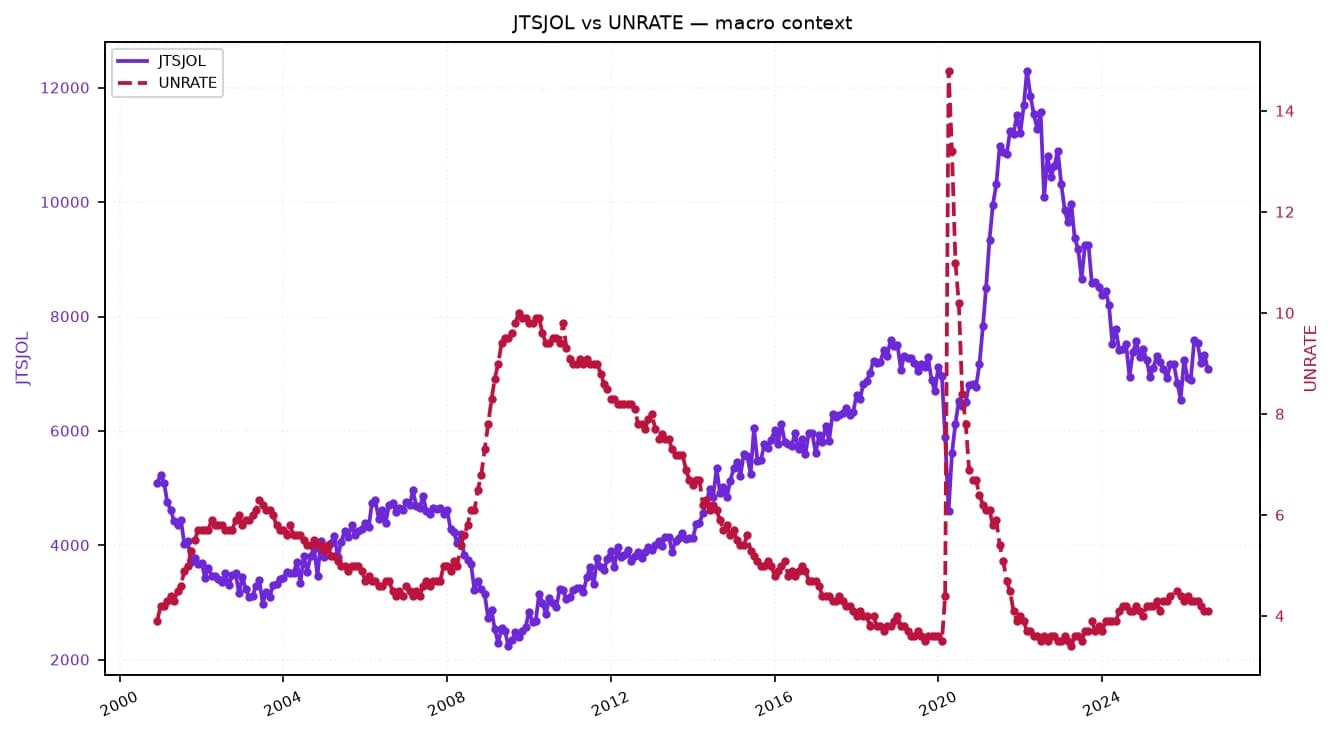
The latest labor data underscore why. U.S. private payrolls rose by 90,000 in September, a decent gain but not the kind of surge that would make full-time workers feel secure enough to ignore a second income stream. At the same time, the unemployment rate has been hovering around 4.1% to 4.2%, which is historically low, but not low enough to make every worker feel untouchable. That combination often produces a very specific behavior pattern: people keep their main job, then hunt for freelance gigs, delivery work, tutoring, selling online, consulting, or seasonal retail shifts to fill the gap.
That matters economically because side hustles are, in effect, a pressure valve for consumer spending. If households can patch together more income, they are better able to keep spending on discretionary items, subscriptions, travel and holiday purchases even when the labor market is no longer booming. It also explains why search interest around “best side hustle ideas” stays elevated in periods of uncertainty. People are not just chasing entrepreneurship; they are trying to de-risk their personal finances.
JTSJOL vs UNRATE — macro contextadalytica.com
Explore this data interactively — full history, time series and cross-market comparisons.Open AlphaPulse
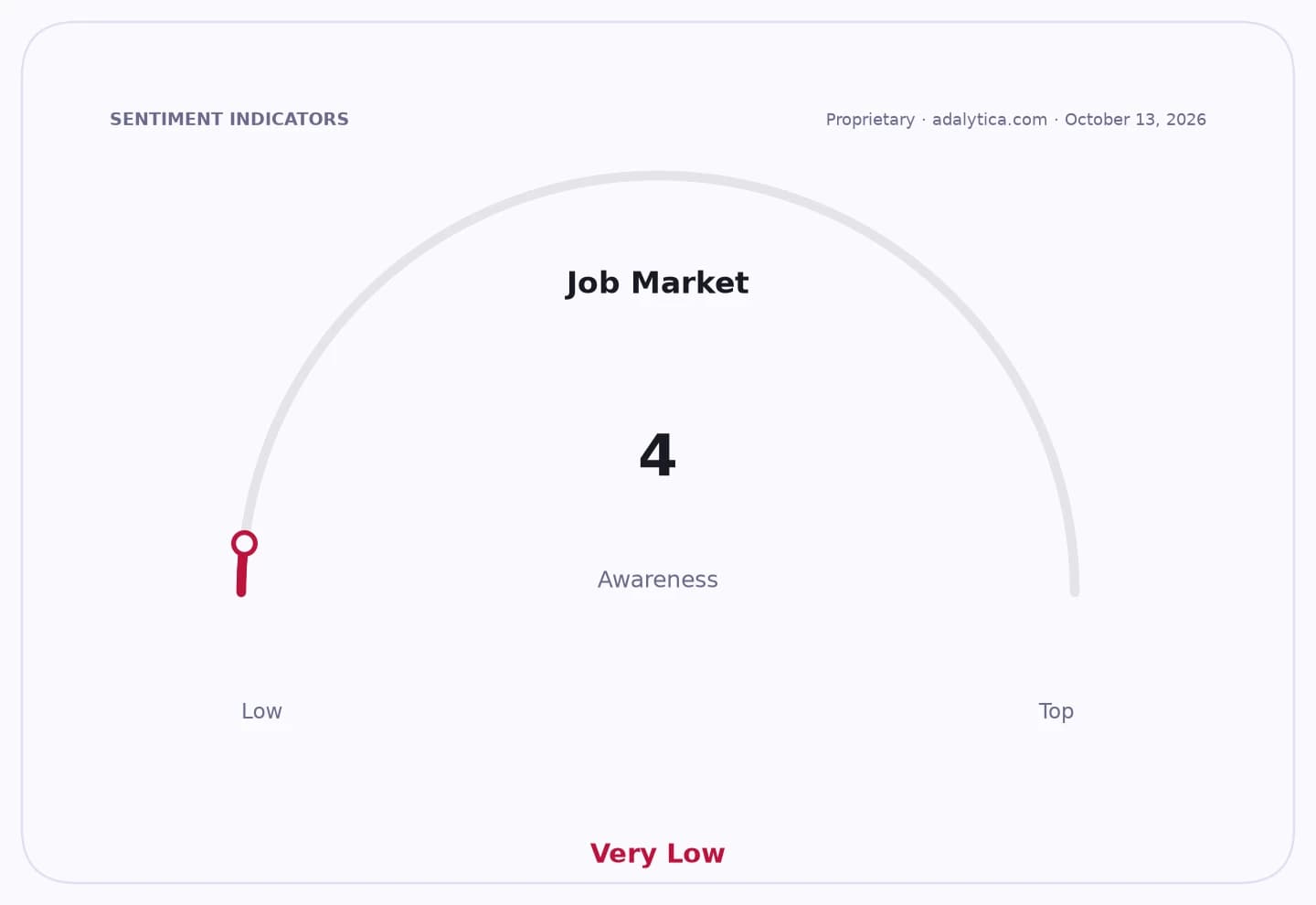
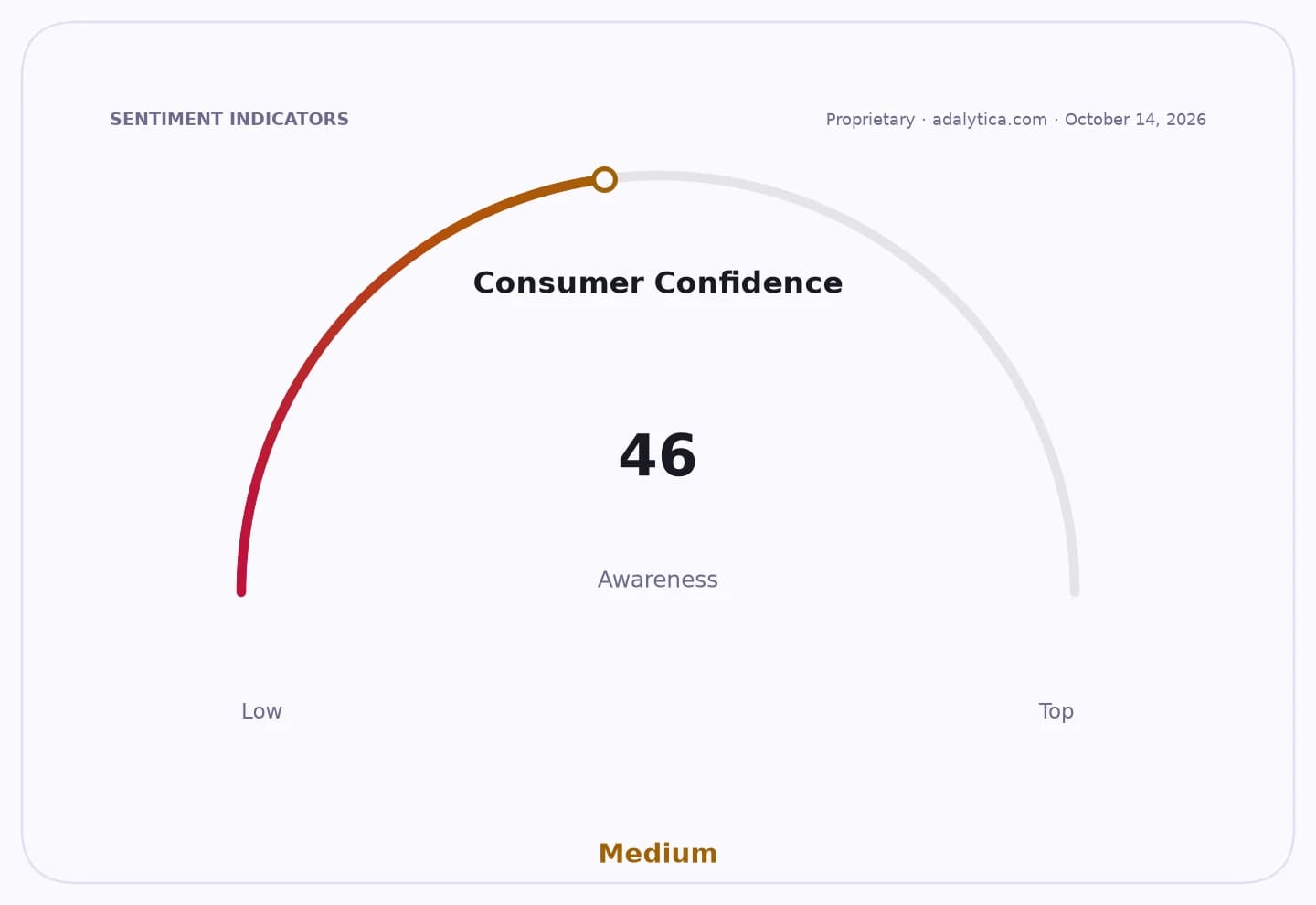
For investors, that is a useful signal. A worker base seeking supplemental income tends to support businesses that cater to flexible labor and independent earning. That includes gig platforms like Uber, freelance marketplaces such as Upwork and Fiverr, and the broader ecosystem of payment tools, small-business software, online education and e-commerce. It also helps explain why markets have been paying close attention to labor sentiment: Adalytica’s Job Market Sentiment gauge is currently neutral at 46, while its payroll sentiment reading sits in fear territory at 17, suggesting workers are not especially confident even if the headline unemployment rate is still tame.
The stock action reflects that push and pull. Uber’s shares are trading below recent highs but remain well above the spring lows, while its technical picture has improved from deeply oversold conditions, with the 50-day moving average still in view. Upwork and Fiverr have both been under pressure, with shares sitting well below their longer-term moving averages, a reminder that investors still see plenty of skepticism around the durability of freelance demand. For long-term investors, though, that skepticism can be the opportunity: if more workers and small businesses keep turning to flexible income, the platforms that facilitate that work can compound over years rather than quarters.
The bigger narrative is simple. A labor market that is cooling without collapsing often produces the strongest demand for side income, because people want flexibility before they truly need it. That makes the side-hustle trend less of a fad and more of a consumer response to a changing economy. If you are an investor, the best way to play it is not by chasing every trendy app or gig name, but by watching which platforms actually help people earn, save time, and scale income over the long run. Those are the businesses most likely to turn a worker’s side hustle into durable shareholder returns.
| Entity | Gains | Losses |
|---|---|---|
| Gig platforms | ▲More worker sign-ups | ▼Traditional employers |
| Freelancers and side hustlers | ▲Extra income streams | ▼Budget-strapped workers without flexibility |
| Consumers | ▲More affordable services | ▼Firms facing wage pressure |
| Investors in flexible-work names | ▲Long-term growth optionality | ▼Short sellers betting on weak demand |