Democrats may be ahead in the polls, but Barack Obama is warning that the race could still slip away — a reminder that the party’s best-looking numbers may not translate into control of Congress.
Obama warns Democrats' poll lead could slip away
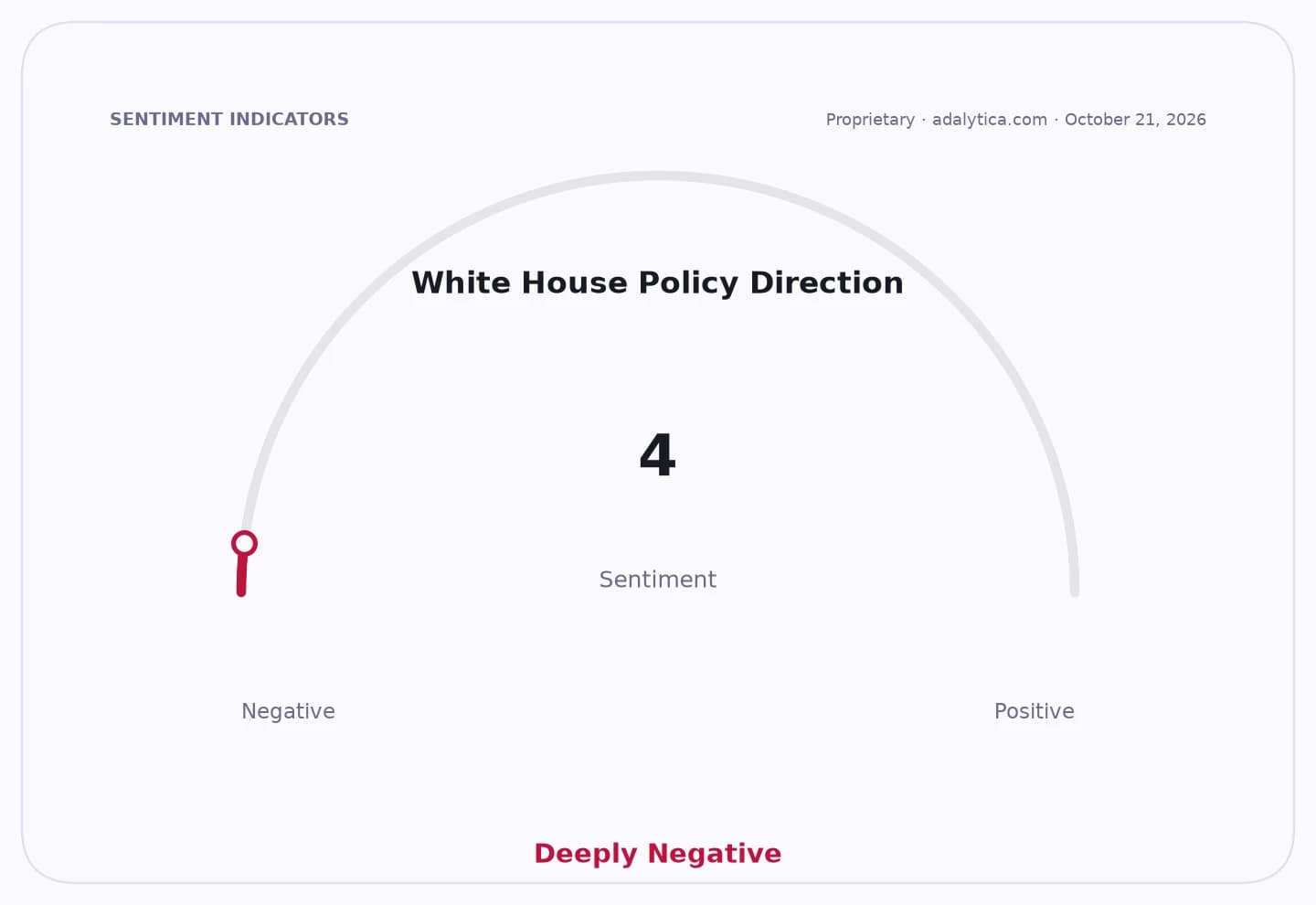
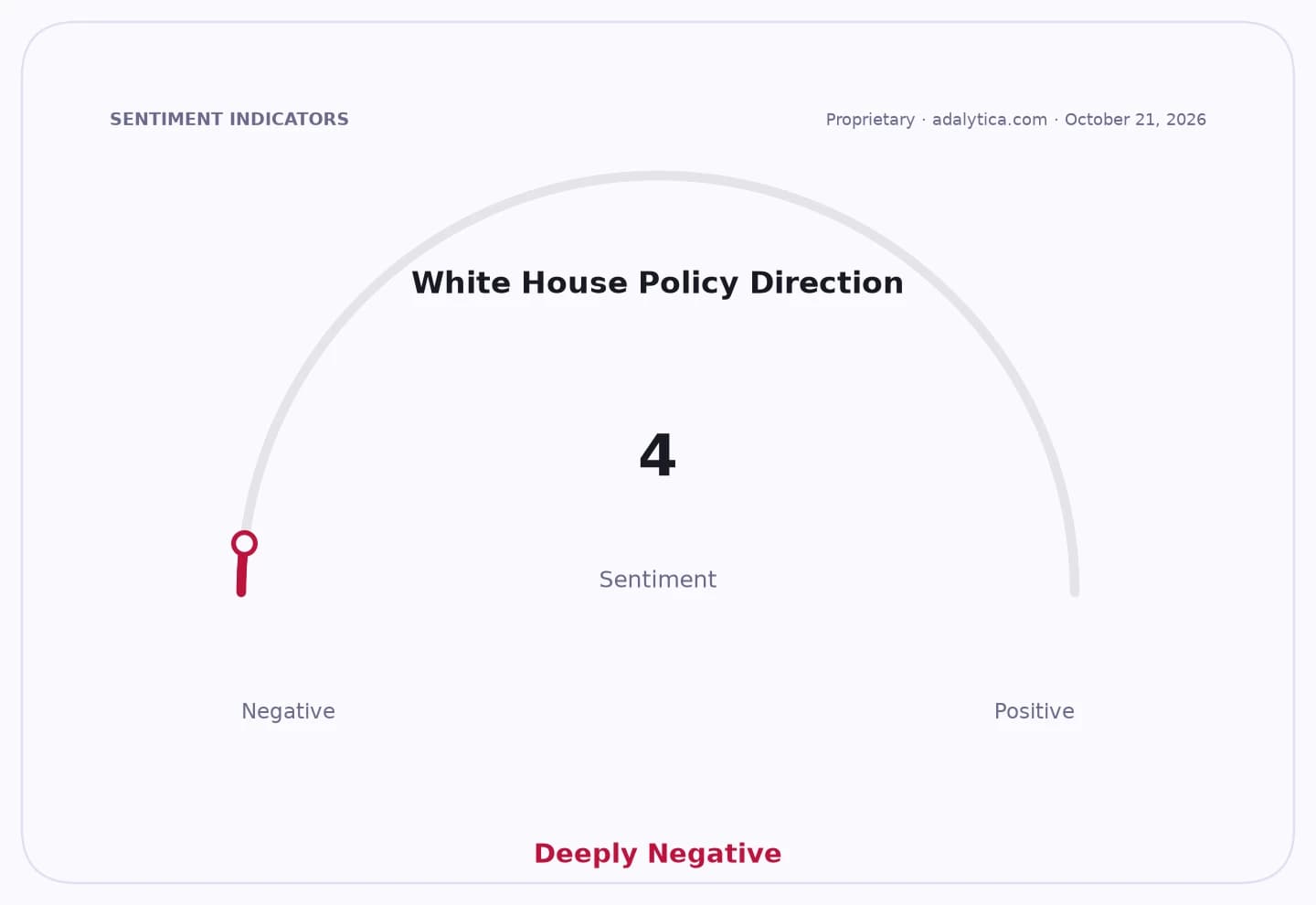
That matters because the midterms are the last major check on President Donald Trump’s power before the next presidential cycle, and investors are already trying to gauge whether a Democratic sweep would curb his policy agenda or whether a narrower result would preserve divided government and policy gridlock. For markets, the difference is material: a Democratic takeover of one or both chambers would raise the odds of legislative confrontation, while a Republican hold would keep the White House’s room to maneuver intact.
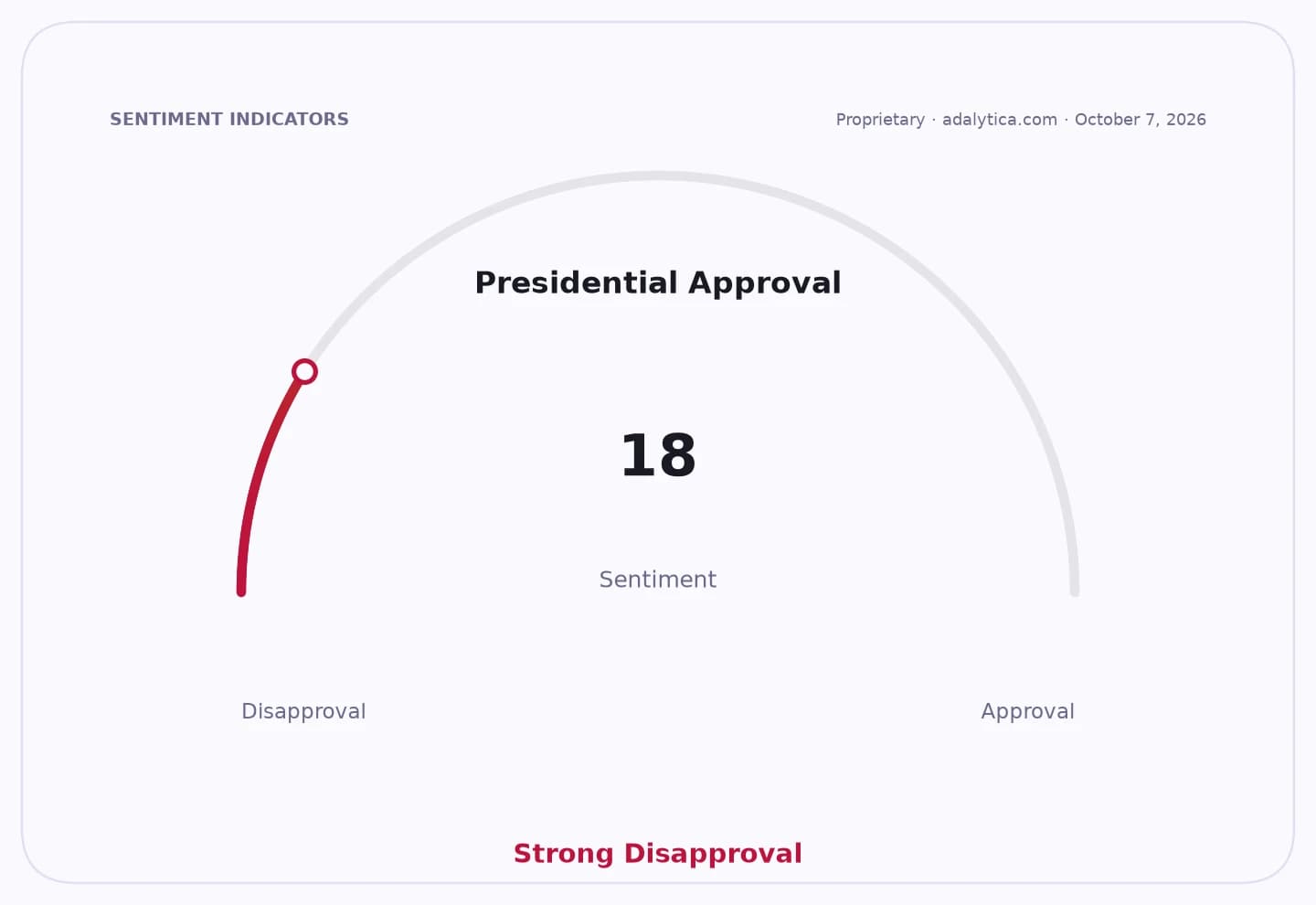
Sentiment IndicatorsⓘProprietary · adalytica.com · October 21, 2026
This is a snapshot — live sentiment, awareness and momentum for 130+ markets update continuously in the dashboard.Open AlphaPulse
The warning from the former president reflects a recurring problem in Trump-era elections: polling has repeatedly underestimated Republican support. In 2024, the final average had Kamala Harris 1.7 percentage points ahead of Trump nationally, yet Trump won all seven battleground states and the popular vote by about 1.5 points. Nate Silver, the election analyst, has argued that because polling missed Trump in 2016, 2020 and 2024, strategists should be cautious about treating current leads as durable.
That caution is especially relevant now because the Democratic lead, while large on paper, is not necessarily secure. Obama told donors that races won by just two or three points can still be lost if they sit within the margin of error. In other words, a headline polling advantage can evaporate once turnout models, undecided voters and late shifts are factored in.
The money race also complicates the Democratic case for a clean sweep. According to AdImpact, Republicans are set to spend about $500 million more than Democrats on TV and radio advertising nationwide before Election Day. In Texas alone, Republicans have more than $150 million backing their candidate, compared with just $4 million for the Democrat — a striking gap in a state where a victory would materially improve Democratic odds of taking the Senate.
Fundraising weakness is itself a political and market signal. Democrats remain deeply unpopular, with 55% of voters holding a very or somewhat negative view of the party, and about half of registered voters saying it has moved too far left, according to a New York Times poll. That leaves the party vulnerable to enthusiasm gaps and lower turnout, particularly if internal tensions between the left and the moderate wing depress core support.
For investors, the immediate lesson is that election risk is still underpriced in the public narrative. The broad market backdrop shows the S&P 500 remains well above its 200-day moving average, but short-term trade signals have turned sharply defensive, suggesting traders are not fully comfortable with the political backdrop. A contested or unexpectedly close result would reinforce uncertainty around taxes, spending and regulation, while a stronger-than-expected Republican showing would preserve the status quo and likely be read as a continuation of current policy direction.
The central narrative, then, is not simply that Democrats are leading; it is that the lead may be fragile enough to disappoint a market that has already started to discount a blue wave. Obama’s warning captures the risk: in a polarized, high-turnout Trump era, polls, money and enthusiasm can diverge sharply from final results.
| Entity | Gains | Losses |
|---|---|---|
| Republicans | ▲Hold Senate/House if turnout holds | ▼Risk losing Congress |
| Democrats | ▲Could win Congress if lead converts | ▼Poll edge may not deliver seats |
| Trump White House | ▲Benefits from Republican retention | ▼Faces legislative constraint if Democrats win |
| Investors | ▲Clarity if result confirms status quo | ▼Volatility if outcome is unexpectedly close |