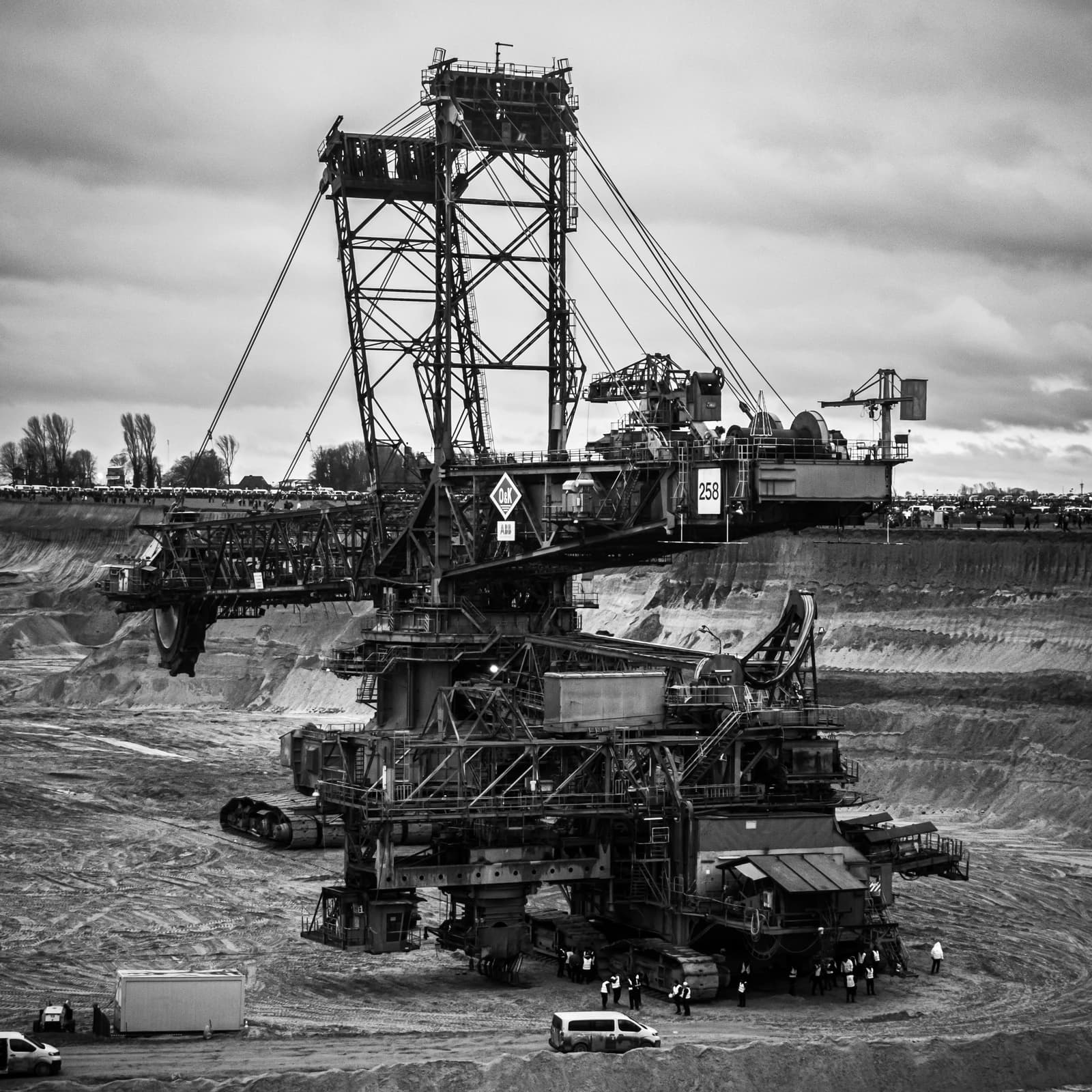
Ōhai and Nightcaps are shrinking as coal jobs disappear, services close and rising local rates leave Southland’s former mining towns struggling to keep people in place.
Ōhai, Nightcaps shrink as coal jobs disappear
The decline matters because it shows how quickly an industry anchor can vanish and take a whole local economy with it. Ōhai’s last coal mine closed in 2021, the wider area now has only one mine left and its future is uncertain, while residents say the population has thinned from more than 1,000 people in each town to only a few hundred.
Sentiment Indicators
For investors and policymakers, the story is less about coal output than about the cost of letting regional infrastructure and land use unravel. The collapse of Solid Energy in 2015 and the later sale of mine land to a new owner, which has planted hundreds of hectares of pine trees, underscores how closures can leave communities without the promised transition to pasture, lakes or other productive uses.
That local retreat is feeding the broader cost-of-living squeeze in rural New Zealand. Residents in Ōhai say they pay more than NZ$4,000 a year in rates for little or no footpath, shops or public amenities, while some in Nightcaps say bills are close to NZ$5,000 and worry surviving spouses could not stay in their homes.
The economic drag is also showing up in the farm sector that replaced coal as the area’s backbone. Wet, cold spring weather is hurting livestock operations, and farmers say bigger holdings now employ fewer people, reducing the number of families and children in the district.
The political message is blunt: voters in Southland’s former coal belt no longer believe either major party has protected small-town New Zealand. With Election Day approaching, the anger over lost industry, high rates and fading services is turning into a warning for any party that relies on rural support while offering little to communities left behind by industrial change.
| Entity | Gains | Losses |
|---|---|---|
| Pine plantation owner | ▲Cheaper land use | ▼Former mining community |
| Larger dairy and sheep farms | ▲More consolidated acreage | ▼Small-town employment |
| Central government | ▲Lower direct coal reliance | ▼Rural voter trust |
| Ōhai and Nightcaps residents | ▲Quiet rural setting | ▼Jobs, services, affordability |