Fuel prices are likely to do most of the work in making the next U.S. inflation report look softer, a shift that could ease market anxiety but may do little to convince policymakers that price pressures have been decisively beaten.
Falling Oil May Soften CPI, Boost Rate-Sensitive Assets
Long-Term Inflation Expectations
The setup matters because investors and the Federal Reserve have been looking for evidence that inflation is moving back toward target without needing another shock from energy. West Texas Intermediate crude has fallen to about $69.60 a barrel, down sharply from above $109 in early May, and that drop is now flowing through to the consumer price data. The headline CPI index is forecast to rise 0.62% in June, after 0.47% in May, lifting the annual reading to about 336.1 from 334.0, but the composition of that move is what will dominate the market reaction.
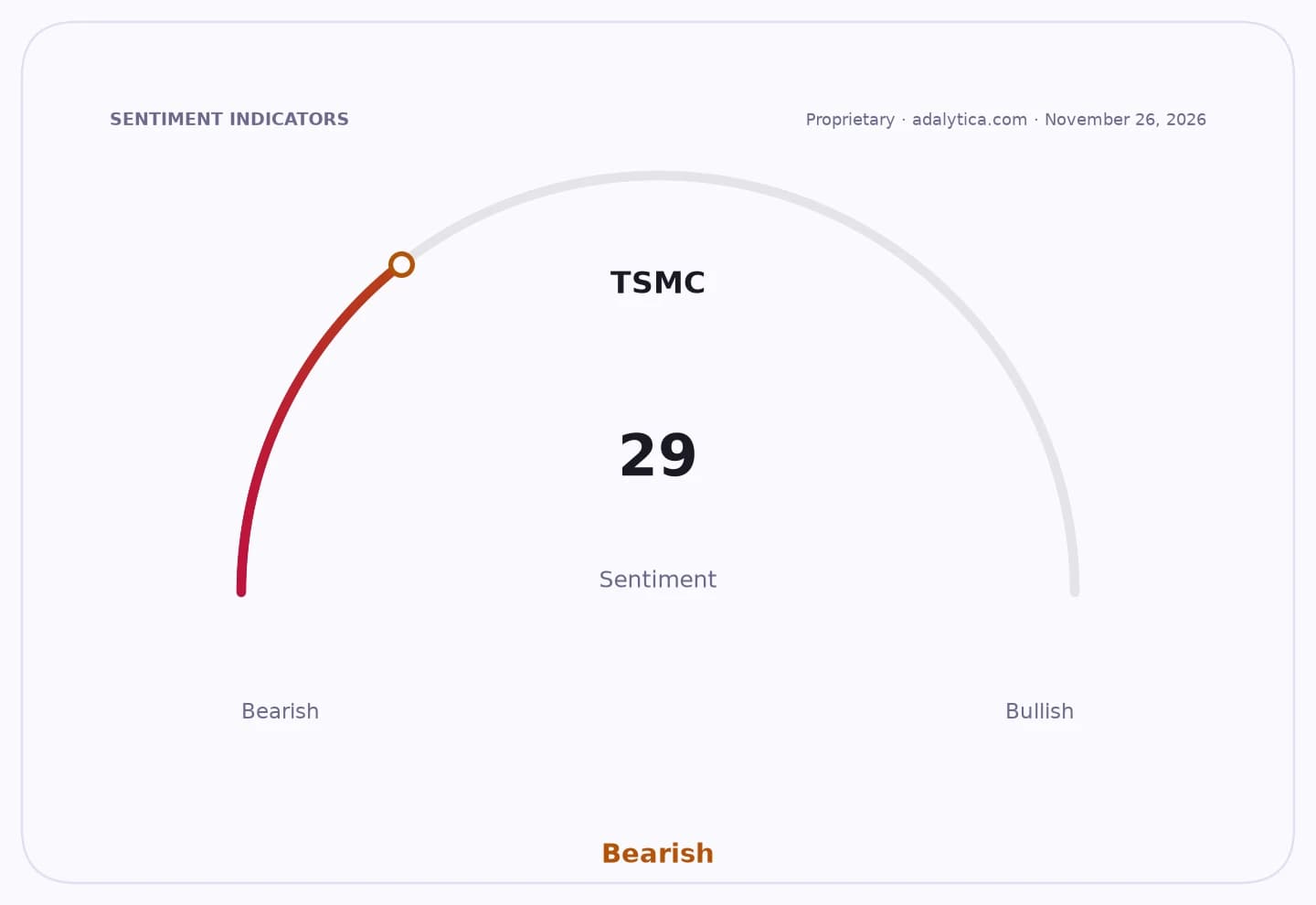
Sentiment Indicators
That is why fuel prices alone can define the narrative. Gasoline and other energy components have an outsized effect on the month-to-month headline number, and when crude falls this fast, it can quickly create the appearance of “cooling inflation” even if food, housing and services remain sticky. The implication is straightforward: the next print could support the case for a calmer inflation trend, but only at the surface.
For investors, that distinction matters. A softer headline CPI would likely help rate-sensitive assets and could lift Treasury prices by reinforcing expectations that the Fed’s next move is less likely to be a hike. It would also support equities that have been punished by fears of renewed inflation, particularly consumer sectors and broader cyclical names. Energy shares, by contrast, face the more immediate downside from weaker oil, even after a volatile run that saw the USO crude fund surge and then retrace sharply.
CPIAUCSL vs DCOILWTICO — macro contextadalytica.com
Explore this data interactively — full history, time series and cross-market comparisons.

The market is already signaling that inflation confidence has deteriorated and that traders are uneasy about the durability of disinflation. Adalytica’s 5-year inflation breakeven sentiment has plunged to 22, a “Fear” reading, while confidence in the Fed’s 2% target is even lower at 4, marked “Extreme Fear.” Those gauges suggest investors are ready to seize on any cooling headline, but they also show how fragile that relief may be if the underlying data do not cooperate.
The corporate and sector read-through is uneven. Energy producers and the broader XLE complex tend to lag when oil falls, while consumer staples such as XLP can gain relative appeal if lower fuel costs ease pressure on household budgets. The problem is that cheaper gasoline does not automatically translate into broad-based disinflation. If services inflation and core measures remain firm, the Fed will likely treat the headline improvement as incomplete rather than decisive.
That leaves the market facing a familiar split-screen: an inflation report that may look better at first glance because of fuel, and a policy backdrop that still demands proof. If energy continues to retreat, headline CPI could keep cooling in the near term. But for the Fed and long-term investors, the bigger test is whether the rest of the basket follows.
| Entity | Gains | Losses |
|---|---|---|
| Consumers | ▲Lower gasoline bills | ▼Weak energy exposure |
| Fed doves | ▲Softer headline inflation case | ▼Less room to argue for hikes |
| Energy producers | ▲— | ▼Lower crude prices |
| Rate-sensitive stocks | ▲Easier policy expectations | ▼Inflation rebound risk |