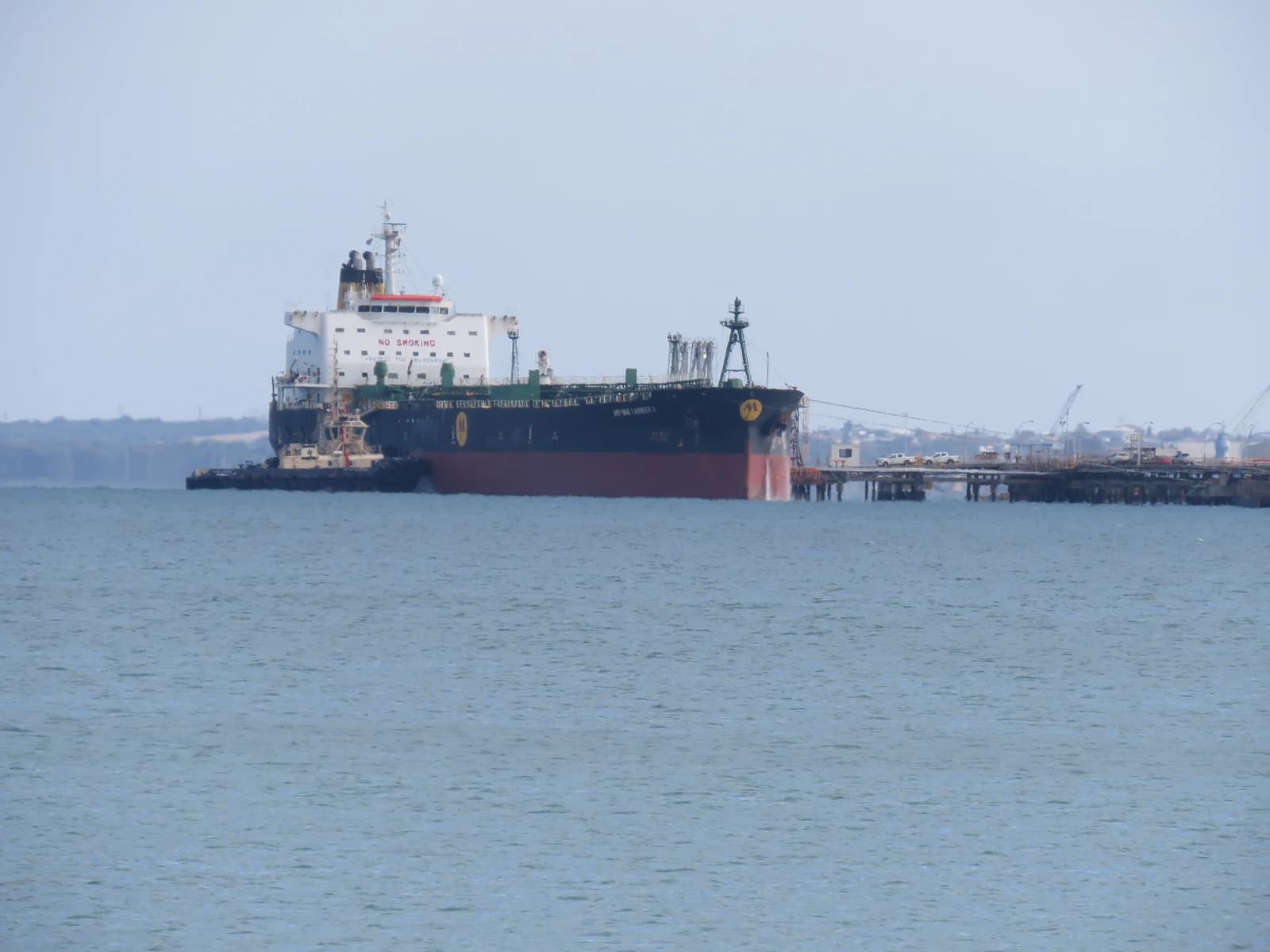
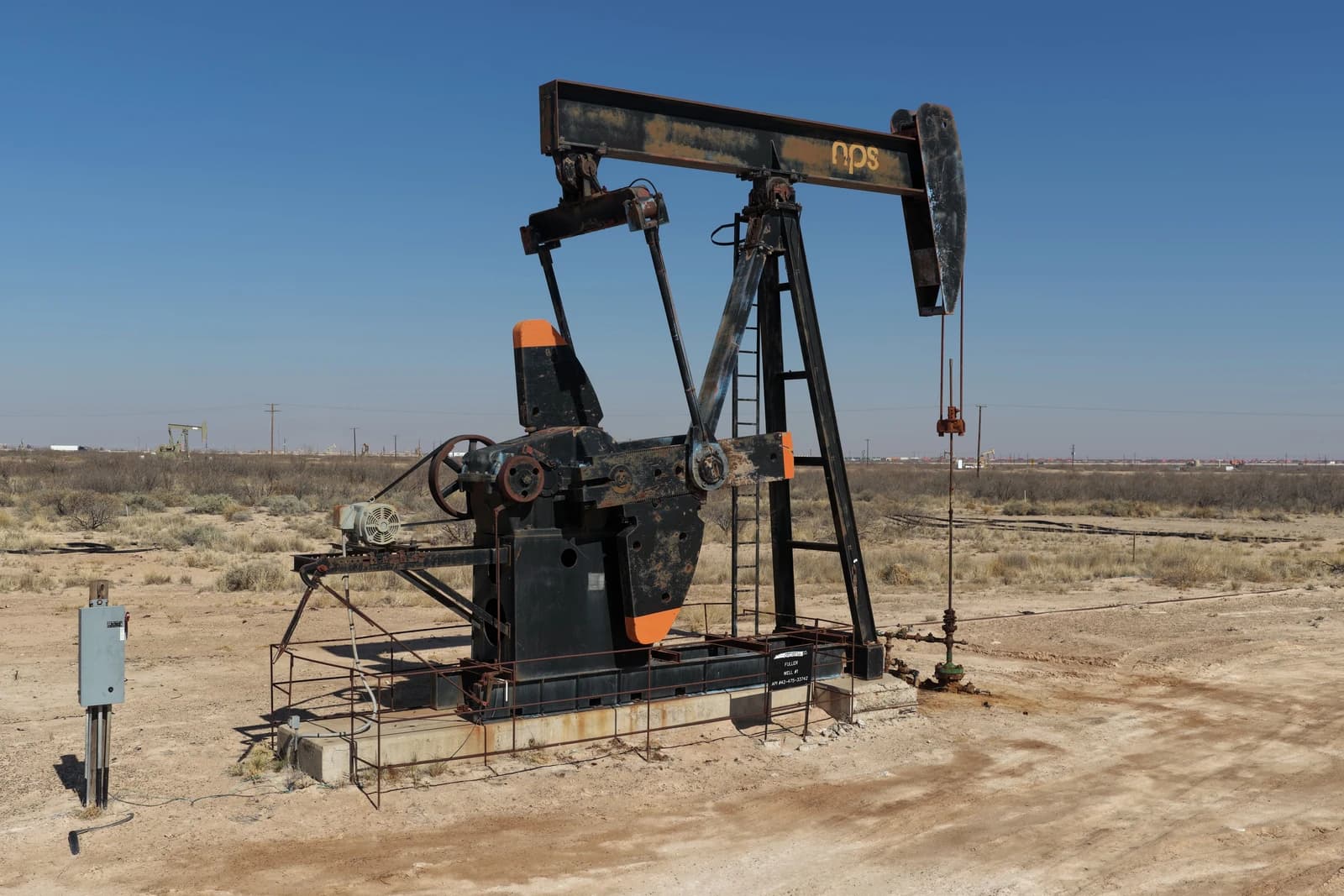
Oil prices climbed on Friday as traders rebuilt a risk premium around Middle East supply routes, but the bigger story for investors is that crude is still caught between fresh geopolitical fear and a week of heavy selling that points to an oversupplied market underneath.
Oil Prices Rise as Middle East Risk Premium Returns
Brent settled at $92.57 a barrel, up 0.64%, while U.S. WTI rose 0.93% to $83.98. That rebound came as market participants braced for renewed attacks linked to the U.S.-Israel-Iran conflict and moved to position ahead of the Thanksgiving holiday, when liquidity often thins and price moves can exaggerate headlines.
Sentiment Indicators
The move matters because oil is no longer trading on one simple narrative. On one side, the market is pricing in real supply risk from the Red Sea and the Strait of Hormuz, where Houthi warnings around Saudi ports and reports of attacks on tankers keep the threat of disruption alive. On the other, the weekly trend still points lower: Brent is on track to fall nearly 4% for the week and WTI about 5%, which would make this the third straight weekly decline for both benchmarks.
That divergence is exactly where the opportunity lies. The market underestimates how quickly oil can snap higher when shipping lanes, export terminals or refinery infrastructure come under pressure, but it is also telling you that crude cannot hold a sustained rally without tighter fundamentals. Reuters reported that oil flows through Hormuz have already recovered to near pre-conflict levels, easing the supply panic that had previously driven prices sharply higher.
DCOILWTICO vs PPIACO — macro contextadalytica.com
Explore this data interactively — full history, time series and cross-market comparisons.
Oil WTI
For investors, that means the trade is less about chasing spot crude and more about owning the names that benefit from volatility itself. Integrated producers, oilfield service providers and hedged upstream cash flows are better positioned than pure beta bets on crude direction. Energy equities have already corrected, with the Energy Select Sector SPDR Fund falling to $60.51 and U.S. Oil Fund at $139.63, both off recent highs and still showing deeply oversold technical readings. That kind of setup often precedes sharp reversals if geopolitical headlines intensify again.
The technical picture also argues for caution on complacency. WTI is trading well below its 50-day moving average, and its RSI remains in oversold territory, while USO is similarly weak despite the latest bounce in crude. That tells you the market has been selling first and asking questions later, even as global stability gauges remain in extreme fear and oil-trade sentiment in Adalytica’s model shows extreme greed. Those are the conditions where headline risk can force a violent repricing.
The macro backdrop is just as important. Higher crude feeds directly into transport, chemicals and consumer inflation, while lower gasoline prices in some domestic markets may prove temporary if supply fears return. The International Energy Agency has already warned that Middle East conflict has caused the largest disruption to global oil and gas trade on record, and Russia’s refinery outages only add another layer of fragility.