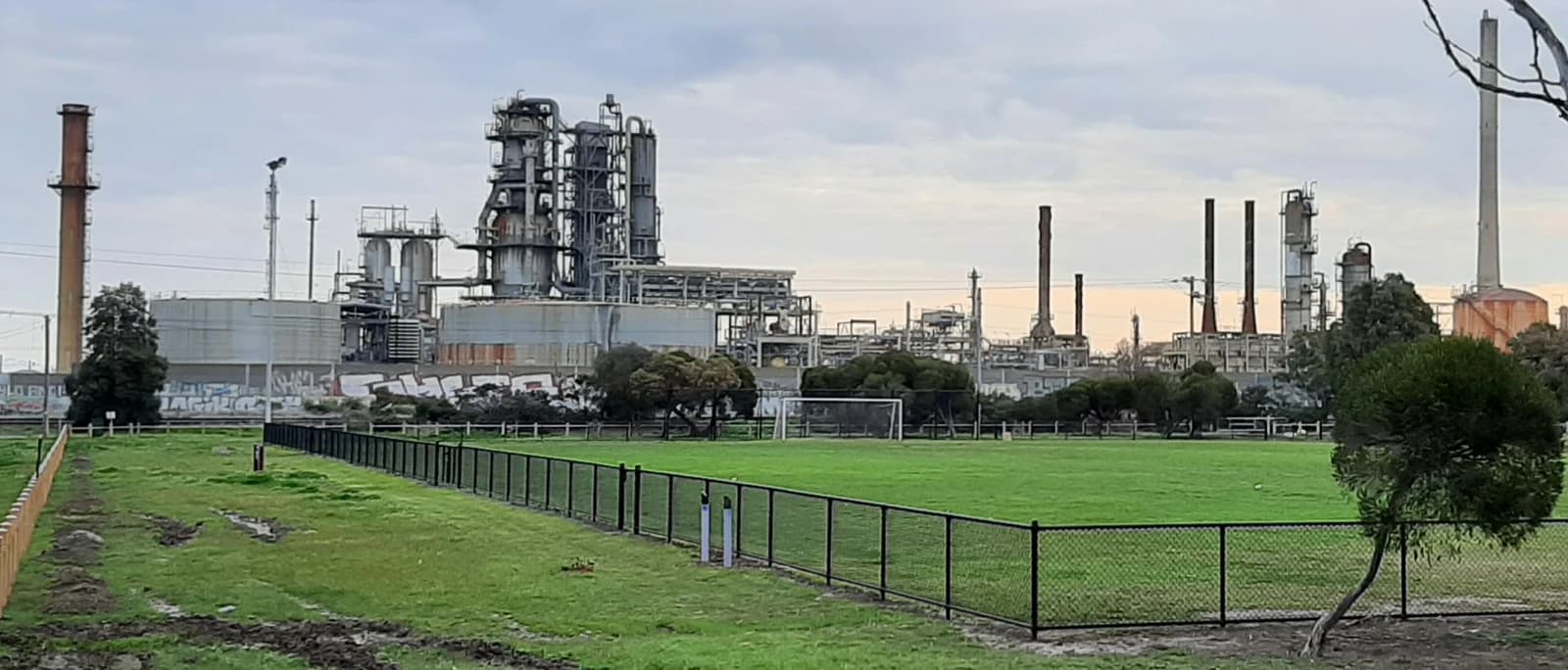
KOSPI closed down 5.7% as escalating Middle East tensions pushed crude to a six-week high, rattling global risk appetite and hitting South Korean equities hard.
Oil Spike Sinks Korea as Risk Aversion Deepens
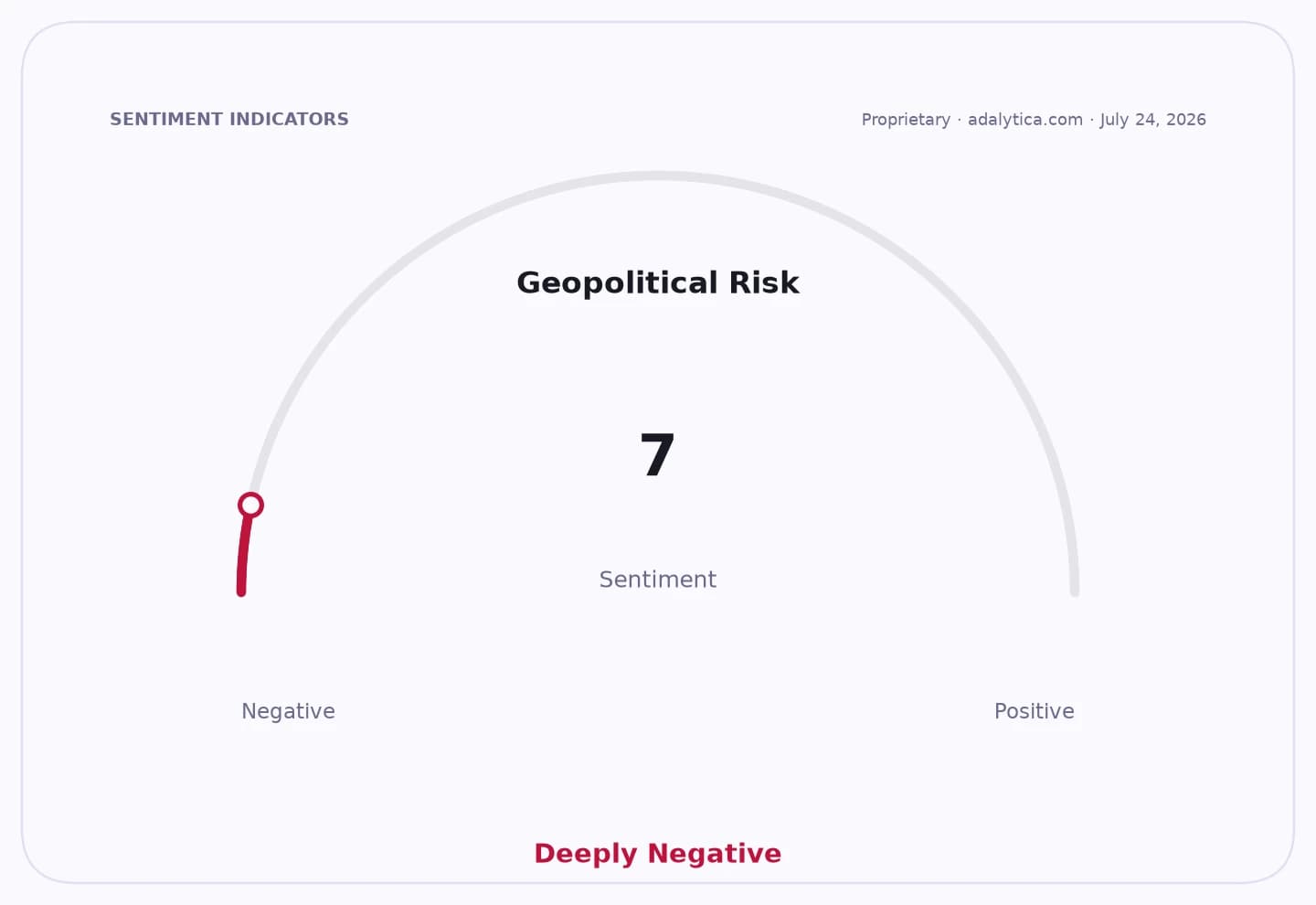
The selloff matters because Korea is one of Asia’s most trade-sensitive markets and a net energy importer, leaving its stocks exposed to any jump in oil prices that threatens inflation, margins and growth. Brent briefly topped $100 a barrel and U.S. crude also jumped sharply, underscoring how quickly geopolitical shocks in the region can feed through to equities, currencies and rate expectations.
Sentiment IndicatorsⓘProprietary · adalytica.com · July 24, 2026
This is a snapshot — live sentiment, awareness and momentum for 130+ markets update continuously in the dashboard.Open AlphaPulse
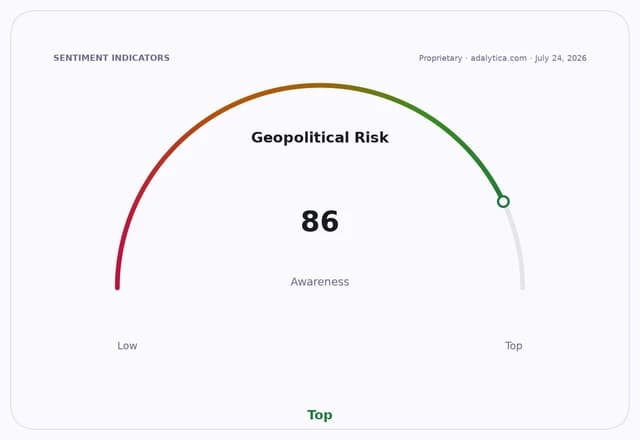
The KOSPI decline reflects a broad repricing of risk rather than a purely domestic move. Higher oil raises input costs for manufacturers, transport operators and consumer-facing firms, while also threatening to keep global interest rates elevated for longer if inflation pressures reaccelerate.
South Korean exporters may also face a mixed hit. A weaker global growth outlook can crimp demand for semiconductors, autos and industrial goods even as some energy-linked shipping and trading businesses benefit from volatility.
Geopolitical Risk vs EWYadalytica.com
Explore this data interactively — full history, time series and cross-market comparisons.Open AlphaPulse
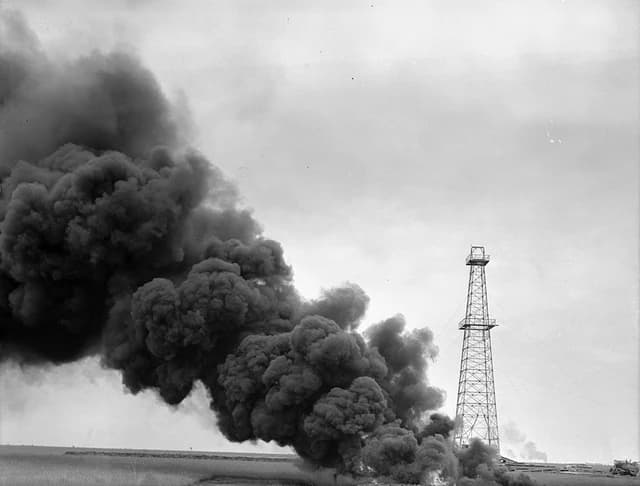
The move in energy markets has been swift. Oil surged to its highest level in six weeks after attacks in the region intensified fears of supply disruption through key shipping routes, including the Strait of Hormuz, with Goldman Sachs warning Brent could spike to $120 if the disruption deepens.
In U.S. markets, West Texas Intermediate climbed to $3.85 in the supplied series, while the 10-year Treasury yield edged up to 4.67%, a sign investors are still pricing in sticky inflation and tighter financial conditions. The Adalytica Global Stability Sentiment gauge showed “Extreme Fear,” while its U.S. Dollar Trade Signals fell into “Fear,” consistent with a flight to safety and pressure on risk assets.
For investors, the immediate question is whether the oil shock proves temporary or develops into a wider supply disruption that forces earnings downgrades across Asia. The next catalyst is whether Middle East tensions ease or whether crude’s climb continues to feed selling in Korea’s exporters, banks and cyclical stocks.
| Entity | Gains | Losses |
|---|---|---|
| Oil producers | ▲Higher realized prices | ▼Demand-sensitive sectors |
| South Korean exporters | ▲None on the day | ▼Margin pressure from oil |
| KOSPI bulls | ▲Defensive rotation | ▼Broad equity exposure |
| Importers and consumers | ▲None | ▼Higher fuel and inflation costs |