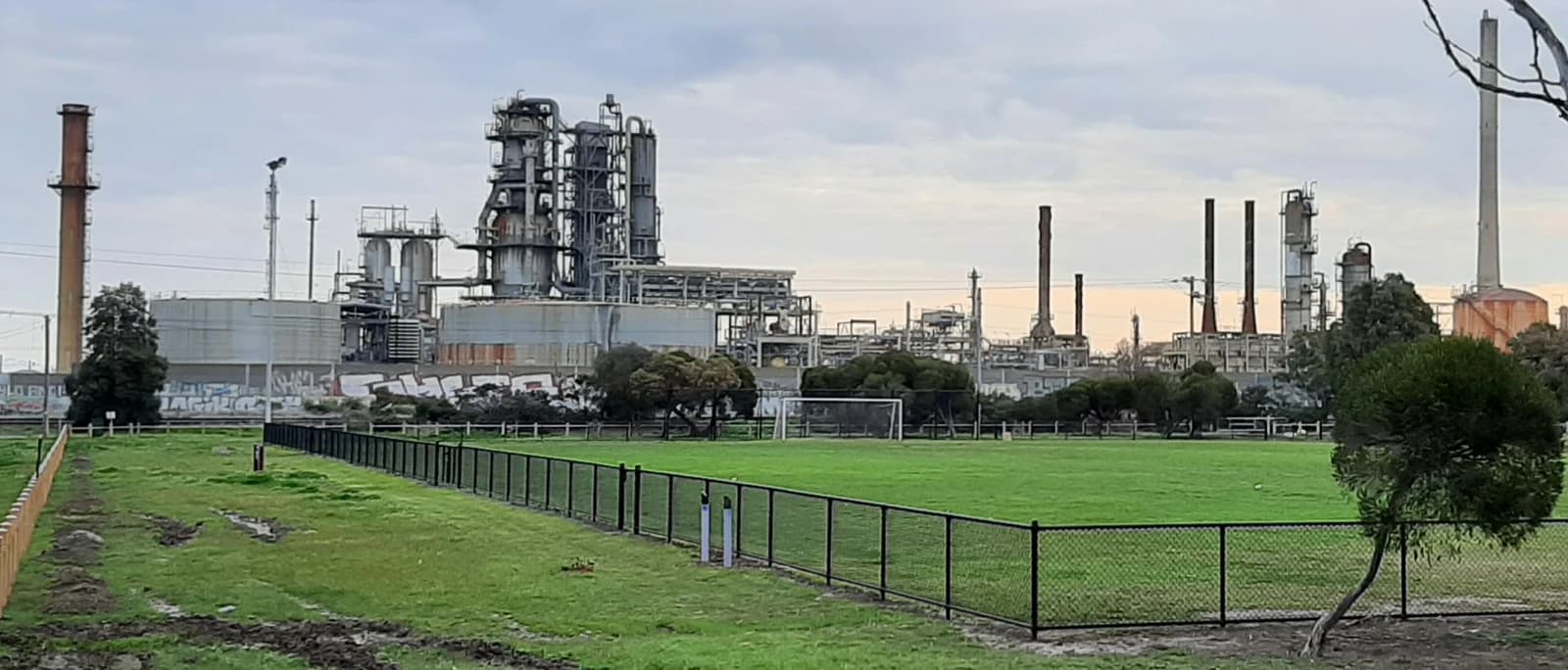
Oil prices are surging again as fighting in the Middle East raises fresh fears about supply disruptions, and that’s doing more than lifting energy shares — it’s reminding investors that the market still prices risk, not just growth stories.
Oil Surge Lifts Energy, Pressures Growth Stocks
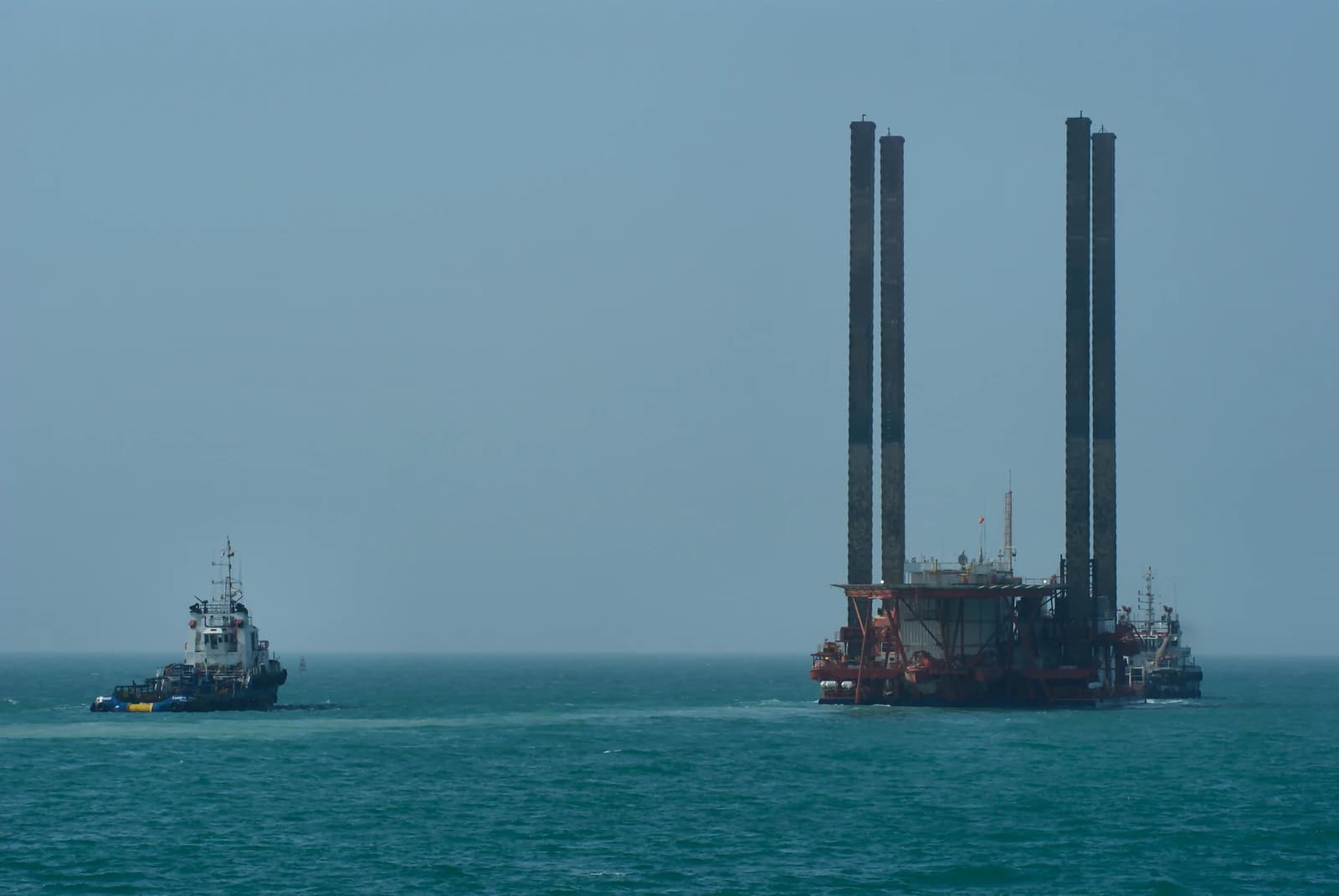
The latest jump in crude comes as tensions around the Strait of Hormuz intensify, with U.S. warnings, ceasefire concerns and tougher sanctions talk all feeding a classic supply shock. Brent and West Texas Intermediate aren’t just reacting to headlines; they’re reacting to the possibility that one of the world’s most important energy chokepoints could face real interruption. That matters because even a short-lived disruption can ripple through inflation expectations, transportation costs and corporate margins.
Sentiment IndicatorsⓘProprietary · adalytica.com · July 13, 2026
This is a snapshot — live sentiment, awareness and momentum for 130+ markets update continuously in the dashboard.Open AlphaPulse
For investors, the immediate winner is the energy complex. The Energy Select Sector SPDR Fund, or XLE, has held up far better than the broader market and rose to 56.74 in the latest trading, while oil itself jumped to 117.79 on the latest print in the data set after having been far lower just days earlier. That kind of move tends to improve free cash flow for producers, support buybacks and dividends, and reinforce the case for energy exposure as a portfolio hedge. The technical backdrop for XLE has also improved, with the fund moving back above its 50-day moving average, a conventional sign that momentum is turning back in favor of the group.
The losers are showing up in the market’s favorite momentum names. NVIDIA fell to 203.53 in the latest session after a sharp run, and while the stock remains a long-term AI heavyweight, the near-term tone has clearly cooled. The Adalytica sentiment snapshot for NVIDIA shows fear, even as awareness remains high, which is another way of saying investors still care deeply about the story but are less willing to chase it at any price. That’s consistent with a broader shift out of high-duration growth and into areas with more immediate cash generation and inflation protection.
DCOILWTICO vs DGS10 — macro contextadalytica.com
Explore this data interactively — full history, time series and cross-market comparisons.Open AlphaPulse
There’s also a macro reason this matters. Higher oil prices can keep inflation stickier than the market wants, which makes the Federal Reserve’s job harder and keeps Treasury yields elevated. The 10-year yield in the data is around 4.56%, still high enough to pressure valuations, especially for companies whose earnings are expected far in the future. In that kind of environment, profitable energy companies can look increasingly attractive compared with richly valued AI leaders that depend on years of compounding to justify their prices.
The geopolitical backdrop adds another layer. The reported effort by Iraq, the United States and Syria to restore the Kirkuk-Baniyas pipeline underscores how serious the market is taking the risk of relying on narrow shipping routes. Investors should read that as a reminder that energy security is becoming a strategic theme again, not just a cyclical trade.
The long-term takeaway is straightforward: geopolitical shocks can change sector leadership quickly, but they also create opportunity for patient investors. Energy stocks may deserve a place in a diversified portfolio as both an income source and an inflation hedge, while AI leaders like NVIDIA remain compelling businesses for investors willing to hold through volatility. In other words, this is not a reason to abandon growth — it’s a reason to balance it. For investors thinking in years, not days, both themes are worth watching closely.
| Entity | Gains | Losses |
|---|---|---|
| Energy stocks / XLE | ▲Higher crude prices, cash flow boost | ▼Rising volatility |
| Oil producers | ▲Better pricing power | ▼Demand destruction risk |
| NVIDIA / AI stocks | ▲Long-term secular demand | ▼Near-term multiple pressure |
| Consumers / airlines / importers | ▲Cheaper fuel would help | ▼Higher input and travel costs |