Crude oil’s surge back toward $100 a barrel is the kind of move that can quickly ripple through the economy, lifting fuel, transport and food costs just as households and businesses are already stretched.
Oil Surge Raises Inflation and Sector Risks

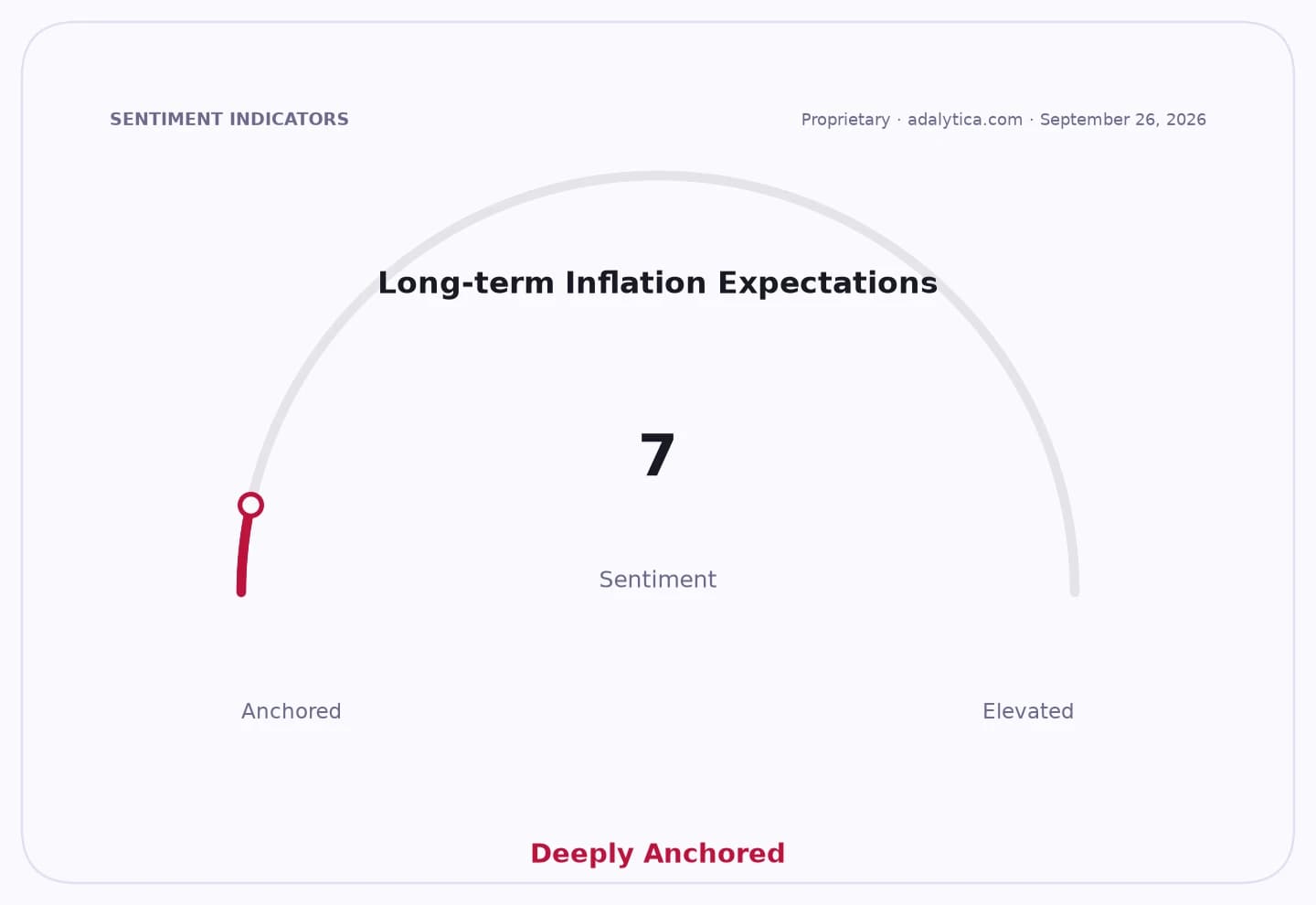
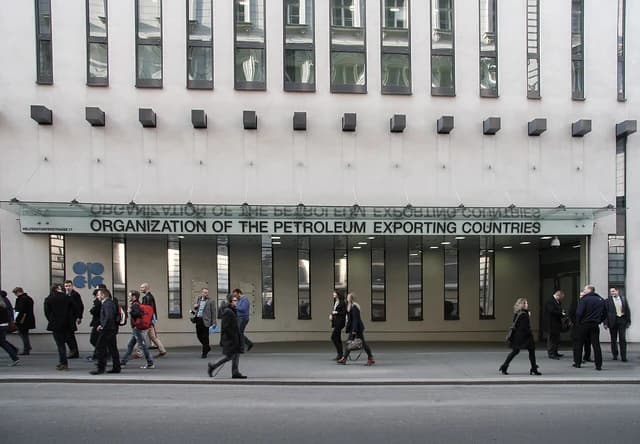
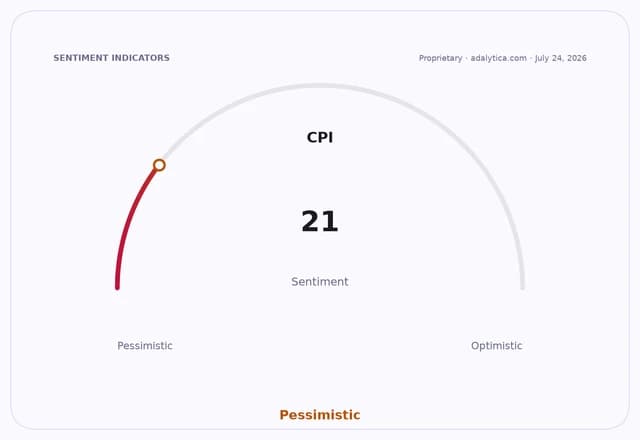
That matters because energy is not just another commodity. It is the input that helps set the price of shipping, manufacturing, airline tickets, groceries and a long list of everyday goods. When oil spikes, inflation stops behaving like a neat chart and starts acting like a tax on consumers. Central banks know it, which is why policymakers from the European Central Bank to the Bank of Ghana are staying cautious even if they are not rushing to react just yet.
Sentiment IndicatorsⓘProprietary · adalytica.com · July 24, 2026
This is a snapshot — live sentiment, awareness and momentum for 130+ markets update continuously in the dashboard.Open AlphaPulse
The market is already telling the story. U.S.-listed oil exposure through the United States Oil Fund has surged to 128.85, then 131.68 and 139.49 in the latest sessions, with the fund trading far above its 50-day and 200-day moving averages. Its RSI readings are deep in overbought territory, a sign of how quickly traders have chased the move. That kind of momentum usually reflects fear that supply will stay tight, not confidence that prices are settling down.
Behind the move is a familiar but dangerous mix: geopolitical tension and constrained supply. The latest backdrop points to ongoing Middle East strains, which have tightened global crude flows and revived inflation anxiety. The scale of the price move also matters. West Texas Intermediate has jumped from roughly $80 in mid-July to a forecast near $85 for July 21, and earlier in 2026 it touched well above $100. In other words, the world has already seen how fast this market can jump from uncomfortable to disruptive.
DCOILWTICO vs CPIAUCSL — macro contextadalytica.com
Explore this data interactively — full history, time series and cross-market comparisons.Open AlphaPulse
For investors, the key question is not whether oil stocks can rally — they often do when crude rises — but how long the inflation shock lasts. The Energy Select Sector SPDR Fund has climbed alongside oil, and major producers such as Chevron and ConocoPhillips are built to benefit when benchmark prices rise. Airlines, shippers, retailers and importers face the opposite pressure. Delta’s recent filing is a reminder that higher fuel costs can hit operating expenses fast, even when demand remains solid.
There is also a second-order effect that long-term investors should not ignore: if oil stays elevated, inflation expectations can drift higher and central banks may have less room to ease. That can keep borrowing costs sticky for longer and make valuation-sensitive parts of the market more vulnerable. In plain English, expensive oil can squeeze both consumers and stock multiples.
For buy-and-hold investors, this is less about making a quick call on crude and more about owning the right mix of businesses. Energy producers with strong balance sheets may keep generating cash. Broad diversification can help absorb the pain in transport, consumer and industrial names. And if history is any guide, oil spikes are usually a reminder to focus on resilience, not prediction.
The bigger message is simple: when crude oil approaches $100, inflation risk does not stay confined to the energy patch. It spreads into the real economy, and that is why investors should keep a close watch on the next move in prices, central-bank language and company earnings over the coming quarters.
| Entity | Gains | Losses |
|---|---|---|
| Energy producers | ▲Higher cash flow | ▼Refining/input volatility |
| Oil ETFs and energy funds | ▲Stronger momentum | ▼Overbought risk |
| Airlines and shippers | ▲— | ▼Fuel-cost pressure |
| Consumers and importers | ▲— | ▼Higher fuel and food bills |